How Mattress-in-a-Box Return Windows and Trial Period Conditions Vary by Brand and What to Test Before the Clock Runs Out
Mattress-in-a-box brands have transformed how people shop for sleep, but the trial periods that make these purchases feel risk-free are far more variable than most buyers realize. What looks like a generous return window on the surface can carry meaningful conditions that affect whether a return goes smoothly or becomes a frustrating ordeal. Understanding exactly how these policies differ — and what to evaluate during the trial — is one of the smartest moves a mattress shopper can make.
How Do Trial Period Lengths Actually Differ Between Brands?
The length of a mattress trial period varies significantly across the industry. Casper, one of the most recognized names in the category, offers a 100-night trial on most of its models. Purple extends the same window. Saatva, which occupies a more premium position in the market, offers a 365-night home trial — a full year — which gives sleepers considerably more time to assess long-term comfort. Nectar goes further still with a 365-night trial as well, and some brands like Helix offer 100 nights as a baseline. The length alone doesn't determine value; the conditions attached to each window matter just as much as the number of days.
What Hidden Conditions Limit Your Return Eligibility?
Many trial period policies include a mandatory break-in period — typically the first 30 days — during which returns are not accepted. The reasoning is that most foam mattresses need time to fully expand and for sleepers to adjust to a different feel. Beyond that, brands often require that the mattress be used on an appropriate foundation. Purple and Casper both specify that using an unsupported or incompatible base can void return eligibility. Some companies also require that the mattress remains in a clean, undamaged condition, meaning visible stains or structural misuse can disqualify a refund request before it's even reviewed.
How Does the Actual Return Process Work Once You Decide?
Most mattress-in-a-box brands do not ask customers to repack and ship a mattress back. The logistics of that would be prohibitive. Instead, companies like Saatva and Nectar typically coordinate a pickup through a third-party hauler, or they arrange a donation to a local charity on the customer's behalf. Some brands charge a return or disposal fee — this varies by location and is sometimes buried in the fine print. Helix, for example, has historically offered free returns in the contiguous United States but charges for remote locations. Knowing this before purchase helps avoid an unexpected charge at the end of what should be a simple process.
What Should Sleepers Actually Test During the Trial Window?
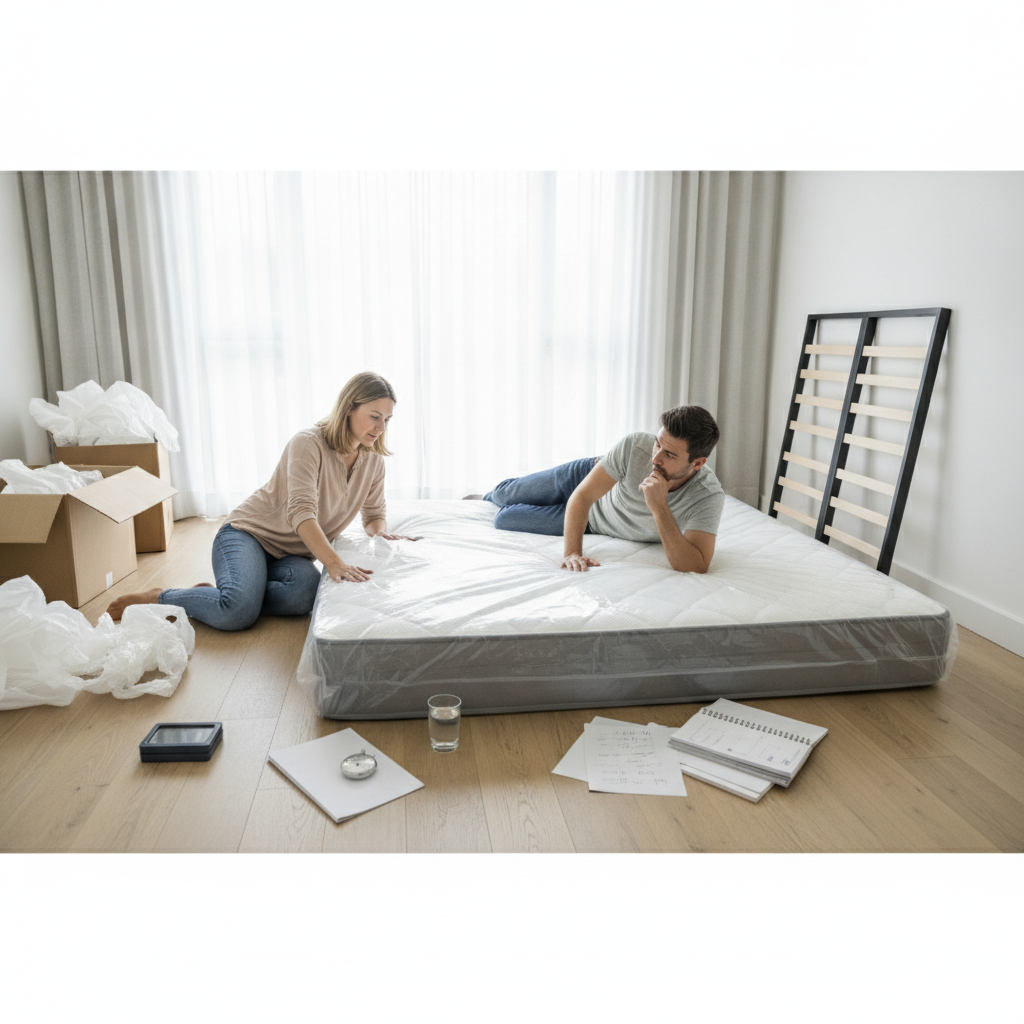
This is where most buyers lose the most value from their trial period. You need to evaluate more than just how the mattress feels on the first night. Spinal alignment during side, back, and stomach sleeping should be assessed over several weeks, since the body's response to a new sleep surface changes as muscles and joints adapt. Motion transfer matters especially for couples — spending a few nights deliberately observing whether movement on one side disrupts the other is worth doing early. Temperature regulation is another critical factor; foam mattresses in particular can retain heat, and this becomes most apparent after the first month of use rather than the first week.
How Do Warranties Differ From Trial Periods and Why Does It Matter?
A trial period and a warranty are two entirely separate protections, and confusing them is a common and costly mistake. The trial window governs whether you can return the mattress if you simply don't like it. The warranty covers manufacturing defects — things like sagging beyond a specified depth, broken coils, or structural failure. Casper offers a 10-year limited warranty, as does Purple. Saatva provides a 15-year warranty with a repair or replacement clause. A mattress that passes the trial period and gets kept still needs warranty evaluation, because comfort preferences and structural integrity are different concerns. Reading both documents before purchasing — not after — gives a complete picture of long-term protection.
What Should You Do Before the Return Window Closes?
If you're approaching the end of your trial and still feel uncertain, there are concrete steps worth taking before the deadline passes. First, confirm the exact expiration date in writing, since some brands count from delivery and others from order date — a distinction that can mean several days of difference. Second, contact customer service proactively if you have any concerns, because many brands will extend a trial window by a few days when asked politely and early. Third, take photos of the mattress in its current condition before initiating any return request, which protects against disputes over damage claims. Finally, check whether a mattress topper or different pillow configuration might resolve a comfort issue before committing to a return — sometimes the problem isn't the mattress itself.
Mattress trial periods are genuinely useful consumer protections, but they reward shoppers who understand their terms from the beginning. The brands in this space — Casper, Purple, Saatva, Nectar, Helix, and others — have structured their policies differently enough that a side-by-side comparison before purchase is worth doing. Knowing the break-in period requirements, return logistics, and what to test systematically during the trial window turns a vague guarantee into a tool that actually works in the buyer's favor.