How Reading Linen Thread Count Myths and Weave Types Before Buying Bedding Prevents Paying Premium Prices for Marketing Language
Thread count has become one of the most misunderstood numbers in retail, and bedding manufacturers know it. For decades, shoppers have been conditioned to treat higher thread counts as a reliable shortcut to luxury, reaching for the 1,000-count sheet set while dismissing the 400-count option sitting beside it — even though the latter may deliver a genuinely superior night's sleep. Understanding what thread count actually measures, and where it falls apart as a quality metric, is one of the most practical skills a smart bedding shopper can develop.
What Thread Count Actually Measures and Where It Breaks Down
Thread count refers to the number of threads woven into one square inch of fabric, counting both horizontal (weft) and vertical (warp) threads. At a basic level, a higher number can reflect a tighter, smoother weave — but only up to a point. Once thread counts climb above roughly 400 to 600, manufacturers often achieve those numbers by twisting multiple thinner threads together and counting each strand individually rather than each yarn. This technique inflates the count without meaningfully improving the fabric, and in many cases produces sheets that feel stiffer, trap more heat, and deteriorate faster with washing than a well-constructed set at a more moderate thread count.
Why Weave Type Predicts Sleep Comfort More Accurately Than Numbers
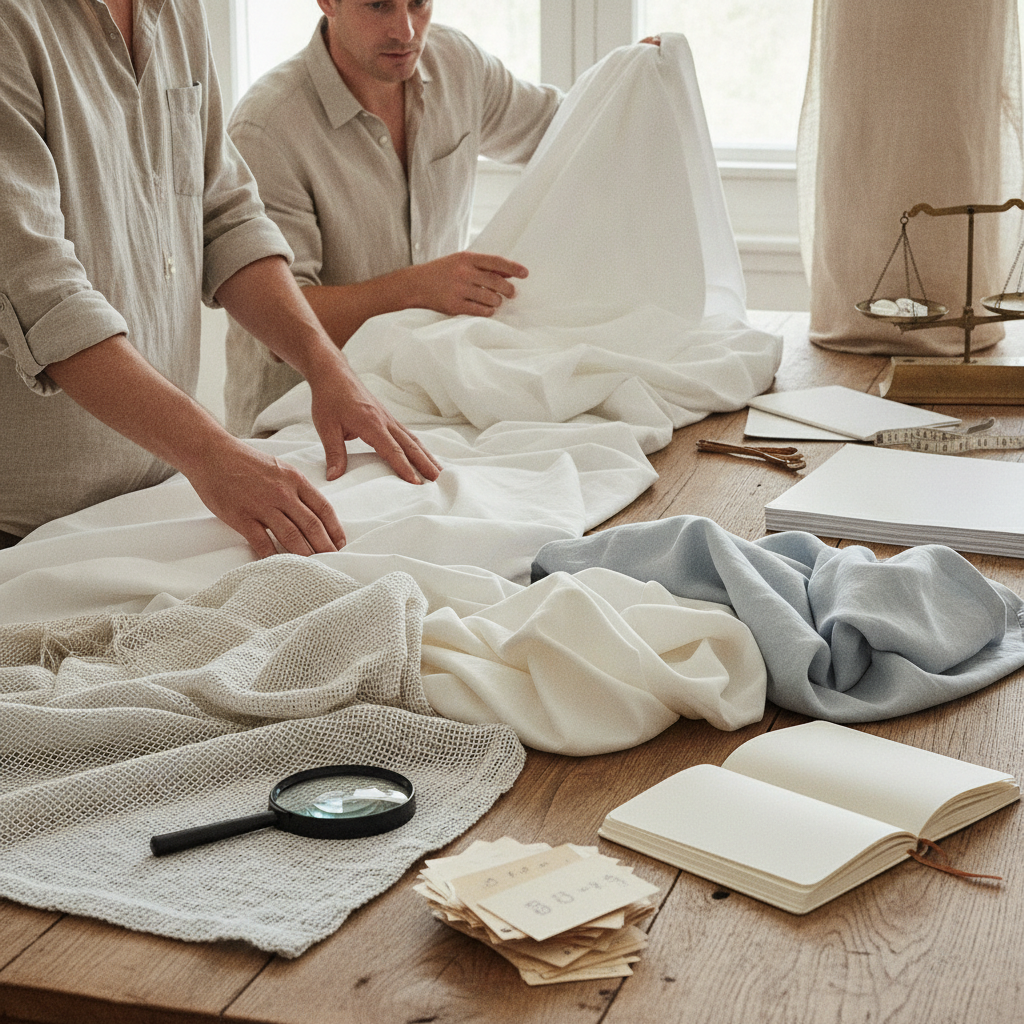
The weave structure of a sheet determines its breathability, texture, weight, and how it performs over time — and this is where most shoppers lose significant ground by not asking the right questions before buying. A percale weave, which uses a simple one-over-one-under interlocking pattern, produces a crisp, cool, matte finish that tends to improve with washing and suits hot sleepers particularly well. A sateen weave, which floats more threads on the surface, creates that silky sheen associated with hotel-style bedding but tends to pill more readily and retain more body heat. Brands like Parachute and Brooklinen build entire product lines around weave transparency, making it straightforward for consumers to match weave type to their actual sleep preferences rather than guessing based on a number printed on a box.
How Fiber Type Interacts With Weave to Shape Real-World Feel
Thread count and weave type don't exist in isolation — fiber quality shapes everything, and it's arguably the most important factor of the three. Long-staple cotton varieties, such as Egyptian cotton and Pima cotton, produce longer individual fibers that create smoother, stronger yarns with less surface fuzz. These fibers wear well, resist pilling, and soften gradually over time rather than degrading quickly. Linen, derived from flax, operates under an entirely different framework: it doesn't use thread count as a standard measurement at all, and a linen sheet marketed with a thread count is often using the metric to imply a quality comparison that doesn't translate directly. Linen's value lies in its exceptional temperature regulation, durability measured in decades, and a relaxed texture that many sleepers find deeply comfortable once broken in.
How Retailers Use Packaging Language to Obscure Material Realities
Marketing language on bedding packaging can be impressively vague when examined closely. Terms like "hotel collection," "ultra-soft," and "luxe finish" carry no standardized definition and vary wildly between products selling at completely different price points. A sheet set at a major retailer like Target labeled "hotel quality" at a 600-count is not necessarily inferior to a set at a specialty home store carrying the same language at twice the price — and may in fact be made from similar base materials with different finishing treatments applied. Certifications like OEKO-TEX Standard 100 or GOTS (Global Organic Textile Standard) carry actual third-party verification and offer more meaningful assurance about fiber processing than most marketing superlatives. Reading past the front-of-package claims to look for certifications, fiber origin, and weave type provides a clearer picture than any count alone.
The Practical Difference Between Percale, Sateen, and Linen for Different Sleepers
Choosing the right weave type for a specific sleep environment produces a more noticeable comfort improvement than upgrading thread count within the same weave category. Hot sleepers or those in warm climates consistently report better experiences with percale or linen, both of which allow air to circulate more freely than sateen. Sateen suits cooler rooms and sleepers who prioritize a softer, heavier feel against the skin — the extra warmth it retains can be an asset in winter months or air-conditioned bedrooms. Flannel, often overlooked in non-winter seasons, uses a napped finish rather than a thread count structure and provides exceptional insulation during cold months, making it a genuinely practical seasonal choice rather than merely a comfort preference. Matching weave type to sleep environment, body temperature, and seasonal context produces far more consistent results than chasing numbers on packaging.
How You Can Apply This Before Your Next Bedding Purchase
Before you add any sheet set to your cart — whether you're shopping at Pottery Barn, scrolling through Amazon, or walking the aisles at a HomeGoods — take sixty seconds to read past the thread count. Look for the fiber type and, if possible, the origin of that fiber: long-staple cotton from Egypt or Peru signals better yarn construction than blended or short-staple alternatives. Identify the weave type on the label or product description; if that information isn't listed, that absence itself is telling. Cross-reference any thread count above 600 with skepticism, knowing that inflated numbers often reflect multi-ply counting practices rather than finer fabric. Check for OEKO-TEX certification if you want assurance that the fabric has been independently tested for chemical safety. And if budget is a genuine concern, know that a percale sheet set in the 300-to-400 thread count range, made from long-staple cotton with a transparent supply chain, will almost always outperform a 1,000-count mystery-fiber set dressed in premium language at three times the price.
The bedding industry has benefited for years from the assumption that shoppers will trust numbers they can't verify over information they can actually evaluate. Thread count became a shorthand for quality because it offered a single, comparable metric — but that simplicity was always incomplete. Weave structure, fiber quality, and honest labeling practices ultimately determine what a sheet set delivers on a real bed, through real seasons, across real years of use. Shoppers who learn to read those factors before reaching for the premium-priced box leave better rested and better served by their spending than those who let marketing do the deciding.