
How Planning a Late-Spring Road Trip Through Ireland's Dingle Peninsula Before June Tourism Inflates Accommodation Rates Delivers Dramatic Atlantic Coastline and Local Hospitality Without the Crowds
There is a particular kind of travel magic that exists only in the window just before a destination tips into its busiest season — when the landscape is at its greenest, the locals are still genuinely glad to see you, and the roads haven't yet filled with rental cars inching bumper-to-bumper toward the same viewpoints. Ireland's Dingle Peninsula, a fingertip of land jutting into the Atlantic from County Kerry, occupies this sweet spot perfectly in late spring. Arriving in the second half of May means catching the peninsula after winter's grey has lifted but before the full surge of summer visitors transforms its narrow lanes and beloved guesthouses into a logistical puzzle. The timing isn't a secret exactly — but most travelers don't act on it, and that hesitation is precisely what makes it so rewarding for those who do.
The Seasonal Pricing Window That Most Travelers Miss
Accommodation pricing along the Dingle Peninsula follows a pattern that's worth understanding before you book. From mid-June onward, demand from European holiday travelers, American itinerary tourists, and Irish summer visitors pushes room rates at even modest guesthouses noticeably higher, while availability at the more characterful properties — the family-run B&Bs on the Connor Pass road, the farmhouse stays with Atlantic views — shrinks quickly. The late-spring window, roughly from May 15 through the first days of June, sits in a genuinely different pricing tier. You're not talking about off-season rates, because the weather and landscape are very much at their best, but you are likely to find meaningful savings compared to what the same rooms command six weeks later. Booking platforms like Booking.com allow you to compare the same property across consecutive months, which makes the pricing gap immediately visible and easy to act on.
Reading the Landscape Before the Crowds Read It First
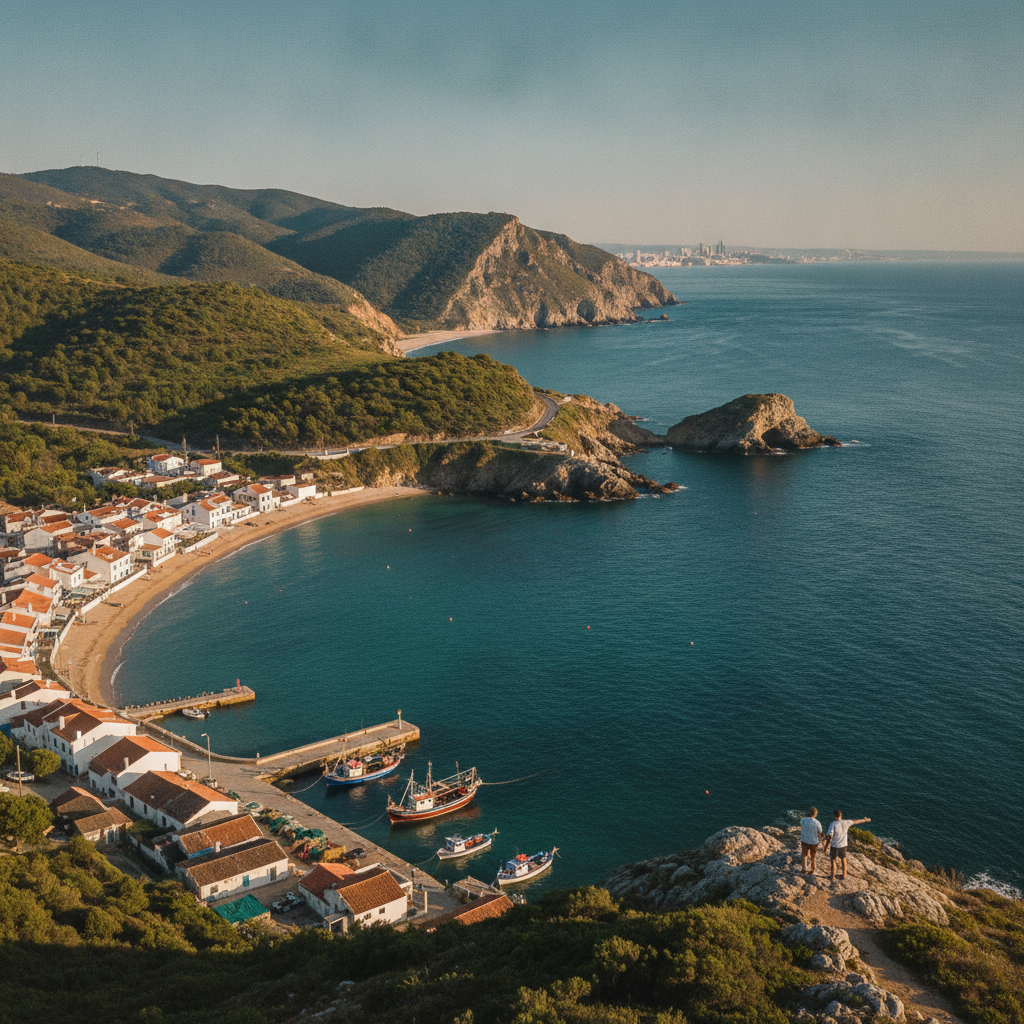
The Slea Head Drive, the roughly 47-kilometer loop around the western tip of the peninsula, is one of those routes that photographs cannot fully prepare you for. In late May, the stone walls are softened by ferns and wildflowers, the fields run an almost implausible shade of green, and the views across Blasket Sound toward the Great Blasket Island — abandoned since 1953 — carry a stillness that feels earned rather than curated. What the shoulder season delivers that peak summer cannot is the ability to stop wherever you want, for as long as you want, without managing parking logistics or waiting for a gap in foot traffic at a stone beehive hut. The ancient sites along this drive — the Dunbeg Promontory Fort, the Fahan group of clochán — are extraordinary, and in late May you may well have them nearly to yourself for a full twenty minutes at a stretch.
The Practical Case for Driving Narrow Roads in Quieter Conditions
Anyone who has driven the Ring of Kerry in August understands viscerally why shoulder season driving is a different experience. The Dingle Peninsula's roads are similarly narrow in stretches — particularly the western loop and the approach over the Connor Pass — and they reward calm, unhurried driving rather than the stop-start anxiety that comes with summer volumes. Late May gives you those roads in something close to their natural state: the occasional farmer moving sheep, a handful of cyclists on multi-day routes, and stretches of the R559 where you might drive ten minutes without meeting another vehicle. For travelers who find road trips genuinely restorative rather than stressful, this is the version of the experience worth planning for. Apps like Google Maps work reliably throughout the peninsula for navigation, though it's worth downloading the offline map for County Kerry in advance, given that signal can drop in the more dramatic western sections.
Where Local Hospitality Actually Has Room to Breathe
Dingle town itself — small, colorful, genuinely alive with traditional music in its pubs — behaves differently in late May than it does in July. The staff at the restaurants and pubs haven't yet entered the burnout of high season, the craft shops along the main street aren't three-deep with browsers, and the conversations that spontaneously happen in places like Dick Mack's or Foxy John's feel less transactional and more genuinely curious. This is a town that has been hosting travelers for decades and knows how to do it well; the late-spring version simply has more bandwidth for the unhurried kind of interaction that turns a pleasant trip into a memorable one. Booking dinner reservations a day ahead rather than weeks is still advisable for the better kitchens — Dingle's restaurant scene punches well above its population size — but the pressure is substantially lower than summer.
Building the Itinerary Around What the Season Actually Offers
A well-structured Dingle road trip in late May runs comfortably across four to five days, which is long enough to cover the Slea Head loop properly, cross the Connor Pass in both directions for different light, spend time in Dingle town, and make at least one excursion toward Inch Beach, the four-mile sand spit that separates Dingle Bay from Castlemaine Harbour. TripAdvisor reviews for the peninsula are worth reading for accommodation specifically — the gap in experience between a well-reviewed family guesthouse and a generic chain option is large here — but the itinerary itself is best built loosely, leaving mornings open for weather-driven decisions. Atlantic weather in May is genuinely variable, and the peninsula looks extraordinary in both bright light and low cloud; the only approach that doesn't work is a rigid hour-by-hour schedule that treats Irish weather as cooperative by default.
The Financial Logic of Timing Travel Deliberately
Travel timing is one of the clearest examples of a life decision where a small shift in planning produces a disproportionate improvement in the experience. The Dingle Peninsula doesn't become a better place in July — it becomes a busier, more expensive version of the same extraordinary place. Choosing late May is less about sacrifice and more about sequencing: the same budget that buys a cramped high-season room at a mediocre property can, six weeks earlier, secure a guesthouse with an unobstructed view of the harbor, a host who actually has time to recommend the less-obvious walks, and a pace of experience that lets the landscape register rather than blur. Travel budgeting tools like Trail Wallet can be useful for tracking daily spend across a multi-day road trip, but the bigger financial gain here is structural — it comes from the decision about when to go, not from negotiating small costs after arrival.
The scene that opens most Dingle trips — standing at a pullout somewhere on the Slea Head loop, watching Atlantic swells break against the Blasket Islands while a pair of choughs call somewhere above the cliff edge — is available in any season. But in late May, with the light lasting past nine in the evening, the gorse blazing yellow against the grey stone, and the road behind you genuinely quiet, it arrives without the friction that high season layers over everything. Planning a trip for that window isn't a compromise; it's the clearest possible version of what the peninsula is actually offering.