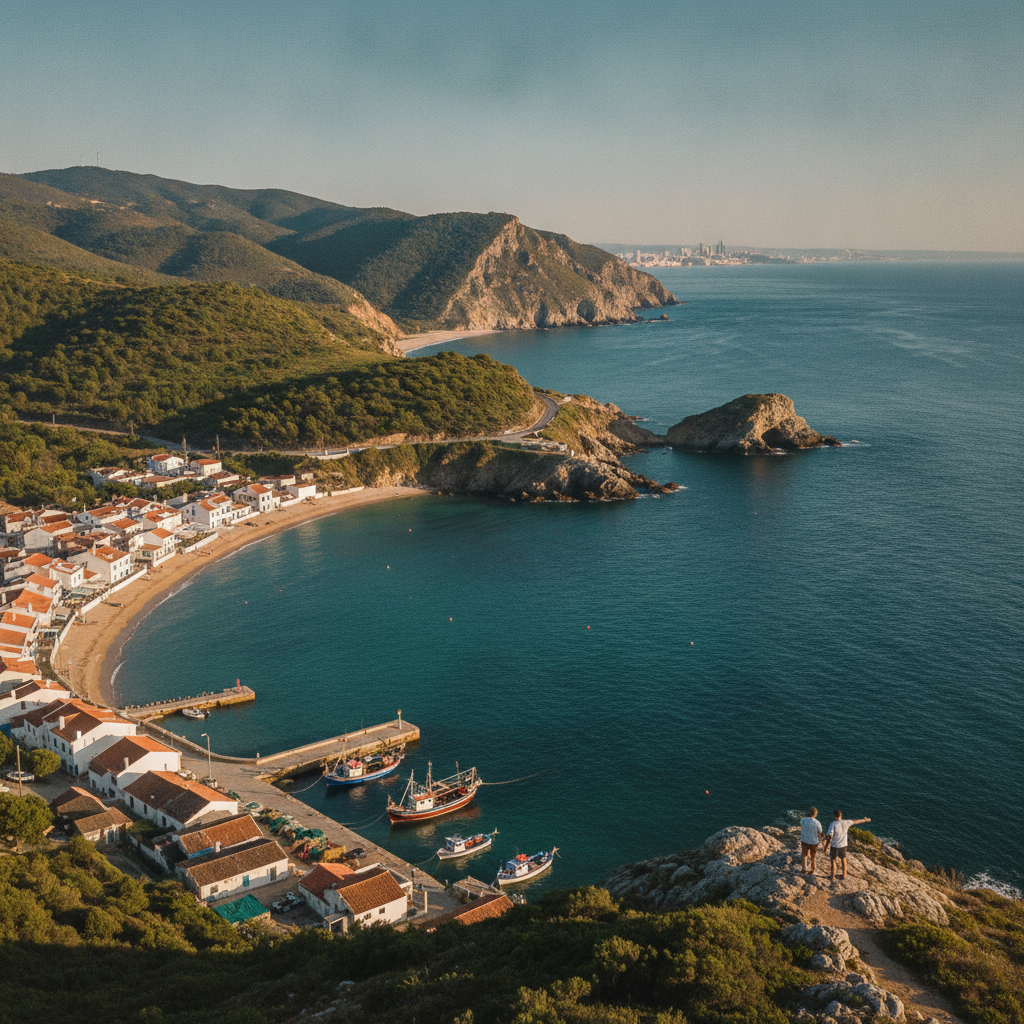
Planning a Late-Summer Road Trip Through Canada's Cabot Trail Before Autumn Rate Season Begins
There's a particular kind of travel magic that happens in the final weeks of August, when the peak summer crowds have started thinning but the landscape hasn't yet shifted into full autumn mode. Cape Breton Island sits in that sweet spot better than almost anywhere in North America. The Cabot Trail — a 298-kilometre loop through the highlands of Nova Scotia — delivers ocean cliffs, Celtic fiddle culture, and wild highland terrain in a window that most travelers overlook entirely. By the time leaf season peaks in early October, accommodation prices along the trail climb sharply. Plan your trip for late August and you get the scenery, the culture, and room rates that haven't yet caught fire.
The Timing Advantage of Late-August Travel
Late August on Cape Breton sits in a genuinely comfortable weather window. Daytime temperatures along the coast typically hover between 20°C and 24°C, the Atlantic is at its warmest for anyone willing to wade in, and the highland interior of Cape Breton Highlands National Park still carries full green canopy before the first colour shifts begin in mid-September. You're not sacrificing scenery by arriving before autumn — you're trading crimson foliage for lush emerald highlands and dramatically quieter roads. The difference in crowd density between late August and the first two weeks of October is significant enough to change the experience entirely.
Booking Before the Rate Surge
Accommodation along the Cabot Trail ranges from small inns in Chéticamp and Ingonish to rustic cabins tucked into the hills. By late September, those properties are nearly fully booked on weekends, and nightly rates reflect that demand. Book your late-August stay at least six to eight weeks in advance using platforms like Booking.com or Airbnb, where you can filter specifically for coastal or highland properties along the trail corridor. Many smaller inns don't appear on major platforms at all, so it's worth checking directly with Cape Breton's regional tourism site for properties that offer their best rates through direct booking only.
Planning Your Route Around the Trail's Two Faces
The Cabot Trail has two distinct personalities depending on which side of the island you're on. The western coastline between Chéticamp and Pleasant Bay is dramatic and exposed — sheer cliffs dropping directly to the Gulf of St. Lawrence, with Cape Breton Highlands National Park running alongside the road for long stretches. The eastern side, running from Ingonish south through Wreck Cove, is softer and more forested, with small fishing communities tucked into inlets. Most road trippers circle the loop counterclockwise, starting from the Trans-Canada Highway connection at Baddeck, which puts the highland plateau section at the midpoint rather than the beginning — a smart pacing choice for a two- or three-day drive.
Where to Anchor Each Night
For a three-day loop, Chéticamp makes a natural first stop — it's a working Acadian fishing village with excellent seafood, hand-hooked rug traditions, and proximity to the national park's western entrance. The second night works well in or near Ingonish, where Keltic Lodge at the Highlands sits on a peninsula with views that justify the splurge, though late August rates are still noticeably lower than the October peak. The third night back in Baddeck gives you time to explore the Alexander Graham Bell National Historic Site before heading home. Baddeck is a genuinely underrated overnight town — quiet, pretty, and sitting right on the Bras d'Or Lakes.
Navigating With the Right Tools
Cape Breton's cellular coverage has gaps, particularly through the highland sections of the park. Download your offline maps in Google Maps or use the Gaia GPS app before you leave — Gaia GPS is especially useful if you plan to do any trail hiking off the main road, since it carries topographic detail that road-focused apps skip entirely. The Parks Canada app is also worth having loaded before you arrive; it covers Cape Breton Highlands National Park with trail information, campsite details, and interpretive content that adds real context to the drive. A national park day pass is required for some activities within the park boundary, and buying it through the Parks Canada app ahead of time saves time at the gate.
Fuel and Practical Planning
The trail has limited fuel stops, and the gaps between them are longer than they look on a map. Fill up in Chéticamp before heading north into the highlands, and again in Cape North if you're doing the full loop. This isn't alarmist advice — it's just the kind of practical thing that improves a road trip significantly when you plan for it in advance. Late August also means sunset comes earlier than July, so plan your highland drives for afternoon light and your coastal cliff stops for the golden hour before dinner.
Eating and Cultural Stops Worth Building Into Your Days
Cape Breton has a living Celtic music tradition that isn't a tourist performance — it's genuinely embedded in the culture. Cèilidh dances (pronounced KAY-lee) happen in community halls throughout the summer, and late August still falls within the season. The Normaway Inn near Margaree Valley has hosted traditional cèilidhs for decades, and their late-summer evenings are some of the best on the island. For food, Chéticamp's restaurants lean heavily on lobster and chowder, while the Wreck Cove General Store on the eastern side is a beloved stop for coffee and conversation. These aren't curated experiences — they're the kind of places that road trips through the right parts of Canada still produce without trying.
Budget Considerations for the Late-August Window
A three-day Cabot Trail loop in late August can be done comfortably without overspending. The national park entry fee covers the standard daily rate, accommodation in Chéticamp and Ingonish falls into a mid-range bracket that climbs once October arrives, and most of the trail's best experiences — the drives, the coastal walks, the cèilidh evenings — carry minimal cost. If you're watching the budget closely, a mix of one inn night and one campground night at Chéticamp Campground within the national park significantly reduces accommodation costs without sacrificing location.
What You Trade and What You Gain
Chooser late August over early October means you won't see the full crimson and amber display that makes Cape Breton photographs so striking online. What you get instead is the trail at a human pace — fewer cars at the lookoffs, easier dinner reservations, roads you can actually stop on without backing up traffic, and the particular warmth of a summer that hasn't quite ended. The highlands in late August carry their own green grandeur, and the Atlantic light on the western cliffs in the late afternoon is as good as any autumn palette.
There's something satisfying about arriving at a place like the Cabot Trail before the crowds decide it's their moment. The trail was always going to be spectacular. The question was just whether you'd be sharing the experience with half of eastern Canada or feeling like you found it yourself. Late August is that window — wide enough to plan for, narrow enough to feel deliberate. If the route is on your list, now is exactly the right time to start pulling it together.