How Comparing Flooring Material Specifications Against Your Actual Household Traffic Patterns Prevents Overpaying for Durability Ratings Your Home Will Never Stress-Test
Flooring manufacturers assign durability ratings using standardized tests conducted in controlled environments — not in the actual conditions of a three-bedroom suburban home with two adults, occasional guests, and a medium-sized dog. The gap between what a product is rated to withstand and what any given household actually puts it through is where a significant amount of flooring budget quietly disappears. Understanding how to read those specifications against real domestic life is one of the more underappreciated skills in home improvement purchasing.
Why Durability Ratings Exist and What They Actually Measure
Most flooring products carry ratings from standardized systems like the AC (Abrasion Class) rating for laminate, the Janka hardness scale for hardwood, or COF (Coefficient of Friction) ratings for tile. These scales were designed for commercial and industrial environments where floors endure machinery, heavy foot traffic, and repeated stress over long operating hours. When the same scale is applied to residential products, the numbers lose much of their contextual meaning. A laminate floor rated AC4 is engineered for busy commercial spaces — restaurants, retail shops, offices — not a quiet home office used four hours a day.
How Retailers Use High Ratings to Justify Premium Pricing
Floor covering retailers like Floor & Decor, Lumber Liquidators (now LL Flooring), and even big-box stores like Home Depot organize their product displays in ways that visually associate higher ratings with superior quality for all buyers. A shopper browsing luxury vinyl plank will encounter wear layer thicknesses measured in mils — 12 mil, 20 mil, even 30 mil — with price escalating accordingly. What the signage rarely explains is that a 12-mil wear layer is already rated to outlast the expected lifespan of most residential flooring installations in low-to-moderate traffic conditions. The upper tiers exist for commercial applications, not family living rooms.
Mapping Real Traffic Patterns Before Setting a Budget
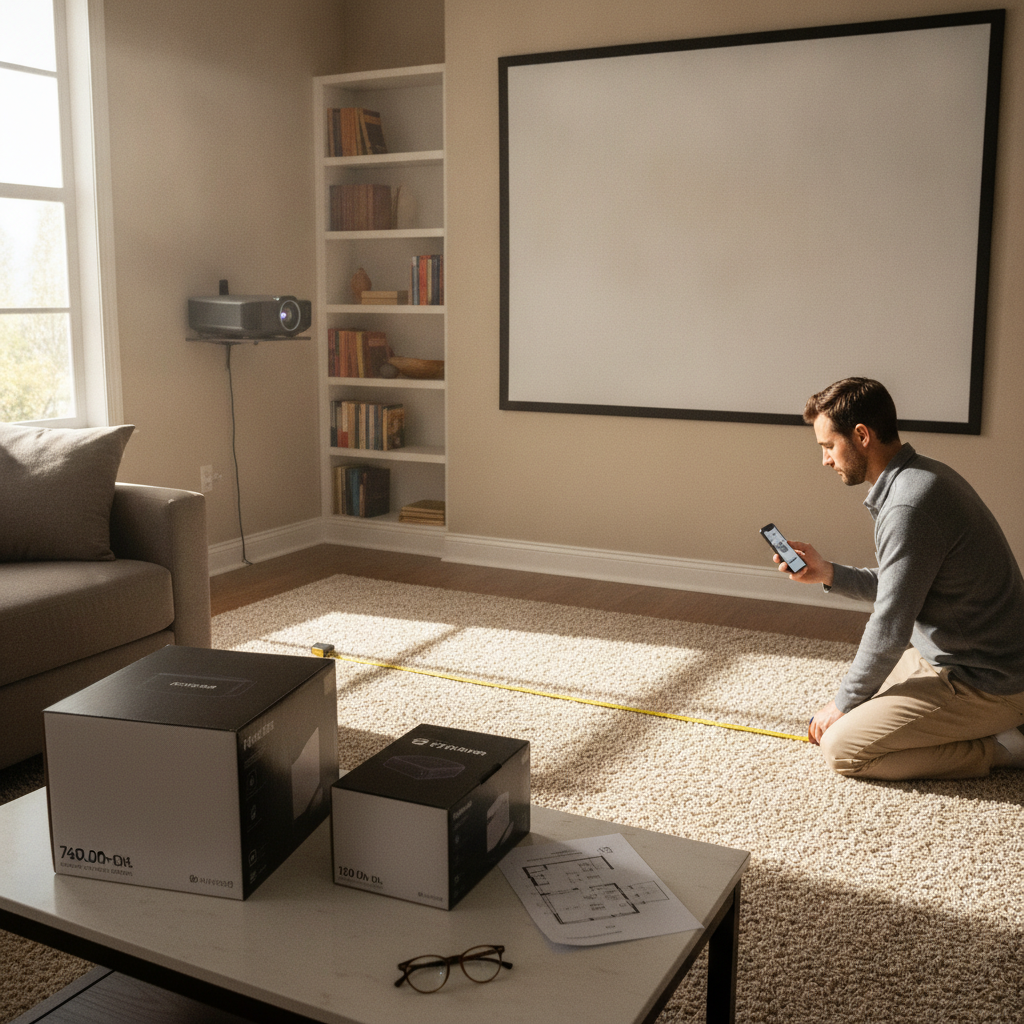
The most effective way to avoid overspending on flooring durability is to document how each room in a home is actually used. This means noting which areas see daily foot traffic, whether shoes are worn indoors, whether pets with claws are present, and how frequently furniture is rearranged. A formal dining room used for holiday meals four times a year occupies a completely different durability category than an entryway that serves as the primary entrance for a household of four. Once room-by-room usage is mapped honestly, the appropriate durability tier for each space becomes much easier to identify without defaulting to the most expensive option across the board.
The Hidden Cost of Uniform Specification Across Different Rooms
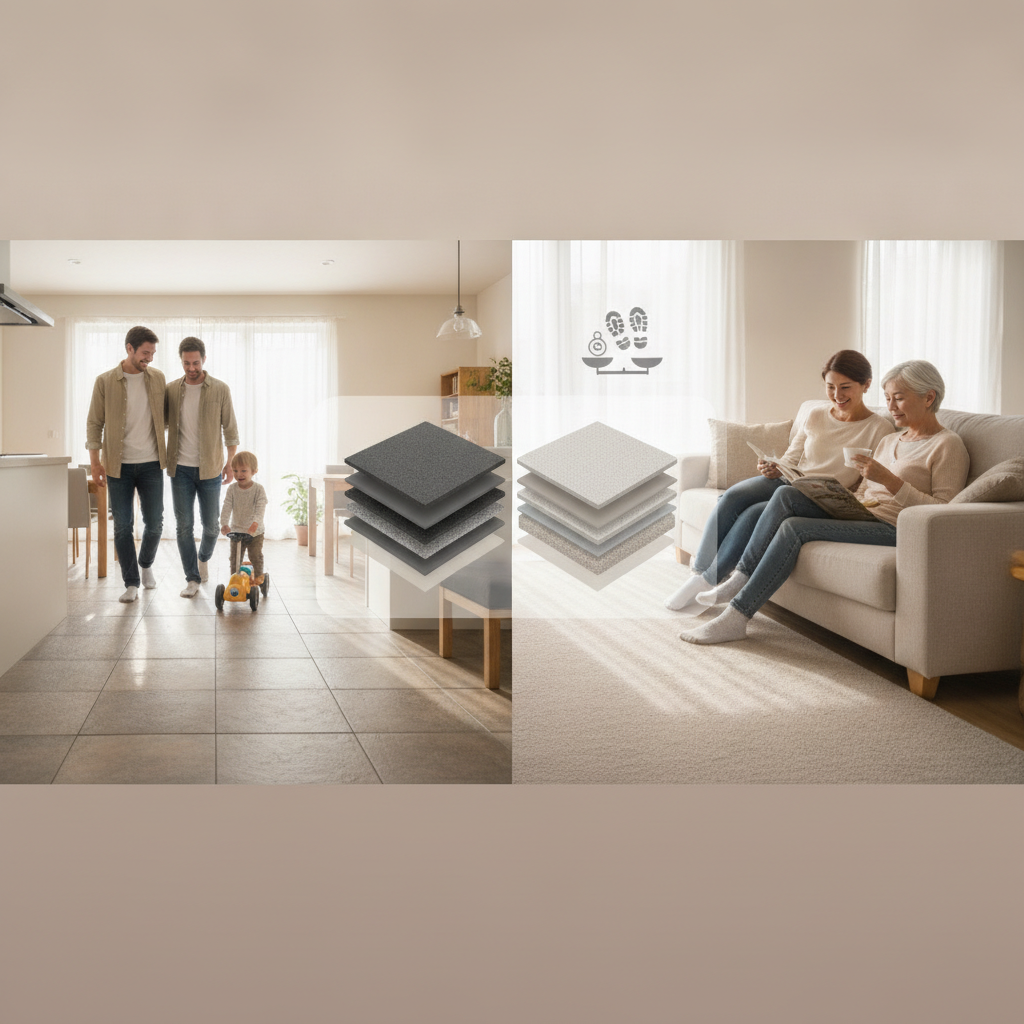
One of the most common and costly mistakes buyers make is selecting a single flooring product for an entire home based on the most demanding room in the house. Installing a commercial-grade AC5 laminate throughout a home because the kitchen sees heavy use means paying premium prices in the guest bedroom, the home library, and the rarely-used formal sitting room. A smarter approach involves tiered selection — matching durability to actual use rather than applying one standard everywhere. Many households find that mixing a mid-grade product in lower-traffic rooms with a higher-rated option only in genuinely demanding zones reduces total flooring cost substantially without any compromise in real-world performance.
What Pet and Child Traffic Actually Requires From a Floor
Households with pets and children do face legitimate durability demands, but those demands are often more specific than broad marketing language suggests. For homes with dogs, scratch resistance matters more than overall hardness ratings — medium-hardness engineered hardwood with an aluminum oxide finish from brands like Shaw Floors or Armstrong often outperforms softer solid hardwoods that score higher on the Janka scale but lack surface coating protection. For families with young children, waterproof core construction in vinyl plank matters more than wear layer thickness, since the primary threat is moisture from spills rather than abrasion from foot traffic. Targeting specifications to the actual risk rather than every possible risk is where smart buyers save meaningfully.
How to Use This Knowledge Before Your Next Flooring Purchase
Before visiting a showroom or browsing online, walk through your home and write down how each room is used on an average weekday versus a typical weekend. Note the foot traffic volume, the presence of moisture risk, and whether the space is a primary living area or a peripheral room. When you arrive at a retailer or search a product like LifeProof vinyl plank on Home Depot's site, compare the listed wear layer and AC rating against your notes rather than against the highest-rated product on the shelf. Ask a sales associate to explain what traffic level each rating tier was designed for in commercial terms — the answer will quickly reveal whether a premium product is matched to your actual needs. Buying one tier down from the maximum available in low-use rooms, while staying appropriately specified in high-use zones, is one of the clearest opportunities to cut flooring costs without accepting any real reduction in performance or longevity.
Flooring specifications are meaningful tools when applied to the environments they were designed to evaluate — but most residential homes never come close to stressing the upper tiers of commercially rated products. Matching durability ratings to documented household usage, room by room, transforms an abstract technical scale into a practical buying guide that reflects real life rather than marketing positioning. The floor that performs perfectly for a specific home is rarely the most durability-rated product available, and recognizing that distinction is what separates a well-spent flooring budget from an overengineered one.