How Appliance Bundle Deals at Big-Box Retailers Create False Savings Traps and When Buying Separately Actually Costs Less
Appliance bundle deals look like straightforward math on paper — buy four matching kitchen appliances together and save a percentage off the total. But the actual savings calculation is rarely that clean, and for a significant share of shoppers, bundling ends up costing more than a thoughtful, item-by-item purchasing strategy would have. Understanding how these promotions are structured helps buyers make decisions based on real value rather than the feeling of getting a deal.
What Makes Bundle Pricing Feel Like a Bargain?
Big-box retailers like Best Buy, Home Depot, and Lowe's have refined the art of the appliance bundle over many years. The core appeal is simple: a matching suite of refrigerator, range, dishwasher, and microwave presented as a set, with a combined discount that appears substantial. What retailers rarely highlight is that the baseline prices used in the bundle calculation are often the full manufacturer suggested retail prices — figures that most appliances rarely sell at outside of promotional windows. When the starting point is inflated, the percentage saved sounds more impressive than it actually is.
How Retailers Structure Bundle Discounts Behind the Scenes
Bundle pricing typically works by anchoring the total package cost to a cumulative list price, then applying a flat discount across the set. The discount is real in the technical sense — the buyer does pay less than those listed prices. But individual appliances from the same brands frequently appear on clearance, open-box, or competitive price-match programs at independent retailers and warehouse clubs like Costco. A refrigerator bundled as part of a Samsung kitchen suite may carry a lower standalone price at a different retailer during a holiday weekend than its allocated share of the bundle discount implies. The bundle creates a perceptual shortcut that can bypass comparison shopping.
When Buying Appliances Separately Produces a Lower Total Cost
Separate purchasing becomes genuinely advantageous in a few specific situations. When only one or two appliances actually need replacing, bundles force the purchase of items the household doesn't yet need, tying up capital on a fixed timeline. Buying a new dishwasher in February when it fails, then a refrigerator during a July sales cycle, and a range during a Black Friday promotion can produce a lower cumulative spend than any single bundle transaction. The trade-off is mismatched aesthetics, which matters to some households more than others. For buyers prioritizing function over matching finishes, the sequential approach consistently delivers better value.
Where Bundle Deals Actually Make Sense for Specific Buyers
Bundles aren't universally poor value. For a buyer furnishing an entirely empty kitchen — whether in a new construction home or after a complete renovation — the bundle approach eliminates multiple separate negotiations and delivery fees. LG and Whirlpool both offer competitive suite pricing that, combined with a single installation visit and a unified warranty timeline, can simplify a complex purchasing moment. Buyers who place high value on coordinated aesthetics and streamlined logistics sometimes find that the convenience premium embedded in bundle pricing is worth paying. The key is recognizing it as a convenience premium rather than a genuine cost reduction.
How to Actually Evaluate Whether a Bundle Saves You Money
Before committing to a bundle, it's worth doing a deliberate price audit across at least three separate sources. Pull the individual model numbers from the bundle listing and search each appliance independently on retailer sites, manufacturer direct channels, and resale platforms that carry certified refurbished units. Add up those individual prices, including estimated delivery for each, and compare that total against the bundle's final price. This exercise frequently reveals that the savings gap is narrower than the bundle's marketing suggests — and occasionally shows the separate route is cheaper outright. Retailers count on the friction of that comparison not being made.
What You Should Actually Check Before Any Appliance Purchase
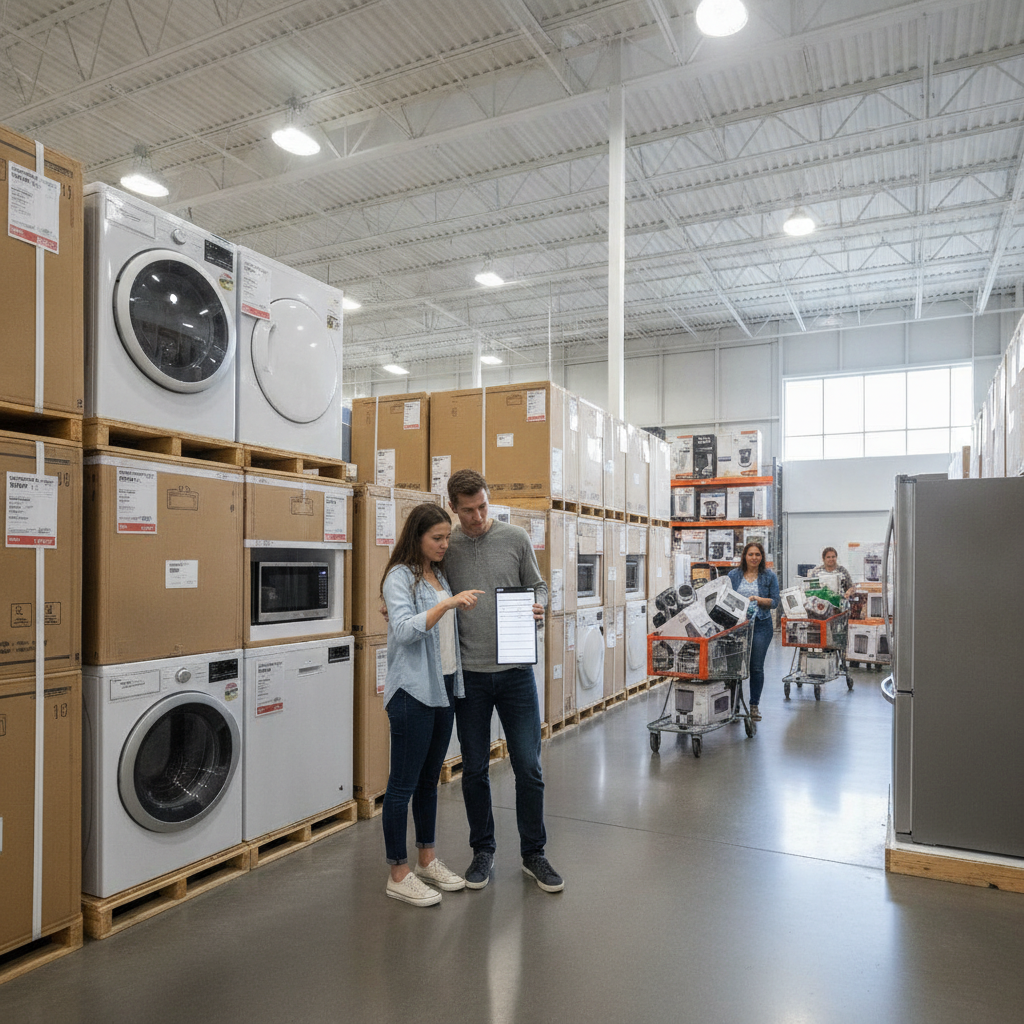
When you're standing in a showroom or browsing a bundle page online, slow down and separate the emotional appeal of matched finishes from the financial logic of the transaction. Check whether the appliances you don't urgently need are actually due for replacement or just aesthetically convenient to include. Look up the specific model numbers — not just the brand names — to confirm the bundle isn't using entry-level models positioned to look like mid-tier value. Ask whether the retailer offers price matching, and whether a bundle discount can be applied to floor models or open-box units instead. These questions shift the dynamic from passive acceptance to active negotiation.
Appliance bundles are a legitimate retail strategy built on real psychology — the desire for convenience, matching aesthetics, and the reassurance of a visible discount. But the financial reality behind many bundle structures is that they consolidate purchasing decisions in a way that primarily benefits the retailer's inventory and margin goals. Buyers who take the time to compare individual unit prices across multiple sources, time purchases around known sales cycles, and separate genuine need from coordinated convenience consistently come out ahead. The apparent simplicity of a bundle is often where the hidden cost lives.