
The Worry Window: How Time-Boxing Your Anxious Thoughts Can Free Your Mind
The Worry Window: How Time-Boxing Your Anxious Thoughts Can Free Your Mind
Picture this: It's 2 AM, and your mind is racing through tomorrow's presentation, next week's doctor's appointment, and whether you remembered to lock the front door. Sound familiar? If you're someone whose thoughts spiral into endless worry loops, you're not alone—and more importantly, there's a surprisingly simple technique that can help you reclaim control.
Enter the "worry window"—a structured approach to anxiety management that's gaining recognition among mental health professionals for its practical effectiveness. Instead of trying to suppress anxious thoughts (which often backfires), this method gives your worries a designated time and place, freeing up the rest of your day for peace and productivity.
What Is a Worry Window?
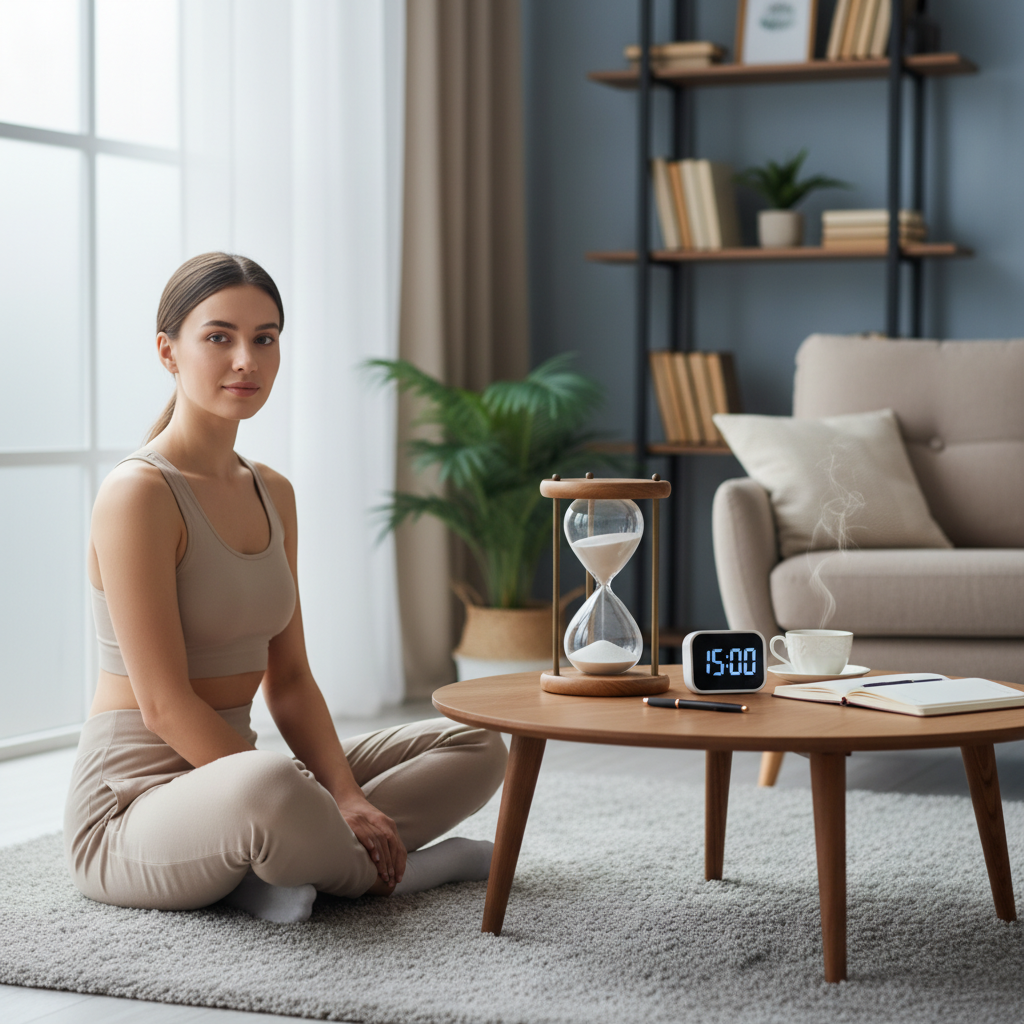
A worry window is a predetermined, limited time period—typically 15-20 minutes—that you set aside each day specifically for worrying. During this time, you intentionally focus on your concerns, analyze them, and develop action plans. Outside of this window, when anxious thoughts arise, you acknowledge them and gently redirect your attention, knowing you'll address these concerns during your designated worry time.
This technique is rooted in cognitive behavioral therapy (CBT) principles and draws from research showing that structured worry periods can significantly reduce overall anxiety levels. A 2011 study published in the Journal of Psychotherapy and Psychosomatics found that participants who used worry postponement techniques experienced a 35% reduction in worry time and improved emotional regulation.
The Science Behind Structured Worrying
Your brain's anxiety response evolved as a survival mechanism, but in our modern world, it often misfires. When we try to suppress worrying thoughts, we create what psychologists call the "ironic process theory"—the harder we try not to think about something, the more persistent it becomes.
The worry window works because it:
- Validates your concerns rather than dismissing them
- Creates boundaries around anxious thinking
- Reduces the urgency that fuels anxiety spirals
- Builds confidence in your ability to manage difficult emotions
- Frees up mental energy for other activities
The Neuroscience Connection
When you designate specific worry time, you're essentially training your prefrontal cortex—the brain's executive center—to better regulate your amygdala, which triggers the fight-or-flight response. This practice strengthens neural pathways associated with emotional regulation and reduces the automatic anxiety responses that can hijack your day.
How to Create Your Personal Worry Window
Step 1: Choose Your Timing Wisely
Select a consistent time each day for your worry window. The key considerations are:
- Not too close to bedtime (avoid within 2-3 hours of sleep)
- When you can focus without major distractions
- Sustainable timing that fits your daily routine
Many people find late afternoon or early evening works best—after the day's immediate demands but before winding down for sleep.
Step 2: Set Clear Boundaries
Your worry window should be:
- Limited in duration: Start with 15 minutes maximum
- Contained in space: Use the same location each time
- Technology-assisted: Set a timer to create firm boundaries
- Structured: Follow the same format each session
Step 3: Follow the Three-Part Process
During your worry window, divide your time into three segments:
- Acknowledgment (5 minutes): Write down everything you're worried about
- Analysis (7 minutes): Categorize worries as actionable or non-actionable
- Action Planning (3 minutes): Create specific next steps for actionable items
The Daily Practice: Making It Work
During Non-Worry Hours
When anxious thoughts arise outside your designated window:
- Notice and acknowledge: "I'm having a worried thought about X"
- Remind yourself: "I'll think about this during my worry time"
- Redirect gently: Return attention to your current activity
- Jot it down: Keep a small notebook or phone note to capture the worry for later
Maximizing Your Worry Window
To get the most from your designated worry time:
- Be specific: Instead of "work stress," write "presentation anxiety about quarterly review"
- Distinguish categories: Separate current concerns from future possibilities
- Focus on influence: Identify what aspects you can actually control
- Create micro-actions: Break large worries into small, manageable steps
Common Challenges and Solutions
"My Worries Feel Too Urgent to Wait"
This feeling is often anxiety's false alarm system. Remind yourself that most worries aren't true emergencies. If something genuinely requires immediate attention, take appropriate action—but recognize that this urgency feeling is usually just anxiety amplifying normal concerns.
"I Can't Stop Worrying Outside the Window"
This is completely normal, especially when starting. Be patient with yourself and consistently redirect without self-judgment. Think of it like training a muscle—it takes time to build strength.
"My Worry Window Becomes Overwhelming"
If your worry time feels too intense, try these modifications:
- Reduce the duration to 10 minutes
- Focus on only one or two main concerns
- End each session with three things you're grateful for
- Practice brief relaxation techniques afterward
Building Long-Term Success
Week 1-2: Establishment Phase
Focus on consistency rather than perfection. Your main goal is creating the habit.Week 3-4: Refinement Phase
Notice patterns in your worries and adjust your approach accordingly.Month 2+: Integration Phase
The technique should feel more natural, and you'll likely notice reduced overall anxiety levels.Key Takeaways: Your Path to Mental Freedom
The worry window technique offers a compassionate, practical approach to managing anxiety that honors your concerns while preventing them from controlling your life. By creating structured time for worrying, you're not suppressing your natural tendency to anticipate problems—you're simply containing it in a way that serves your overall well-being.
Remember, the goal isn't to eliminate all worry (some concern is healthy and motivating), but to prevent anxiety from sprawling across your entire day. With consistent practice, you'll likely find that your overall worry time actually decreases, and your ability to be present in non-worry moments significantly improves.
Start small, be patient with yourself, and trust the process. Your mind—and your peace—will thank you for creating these healthy boundaries around anxious thinking.