
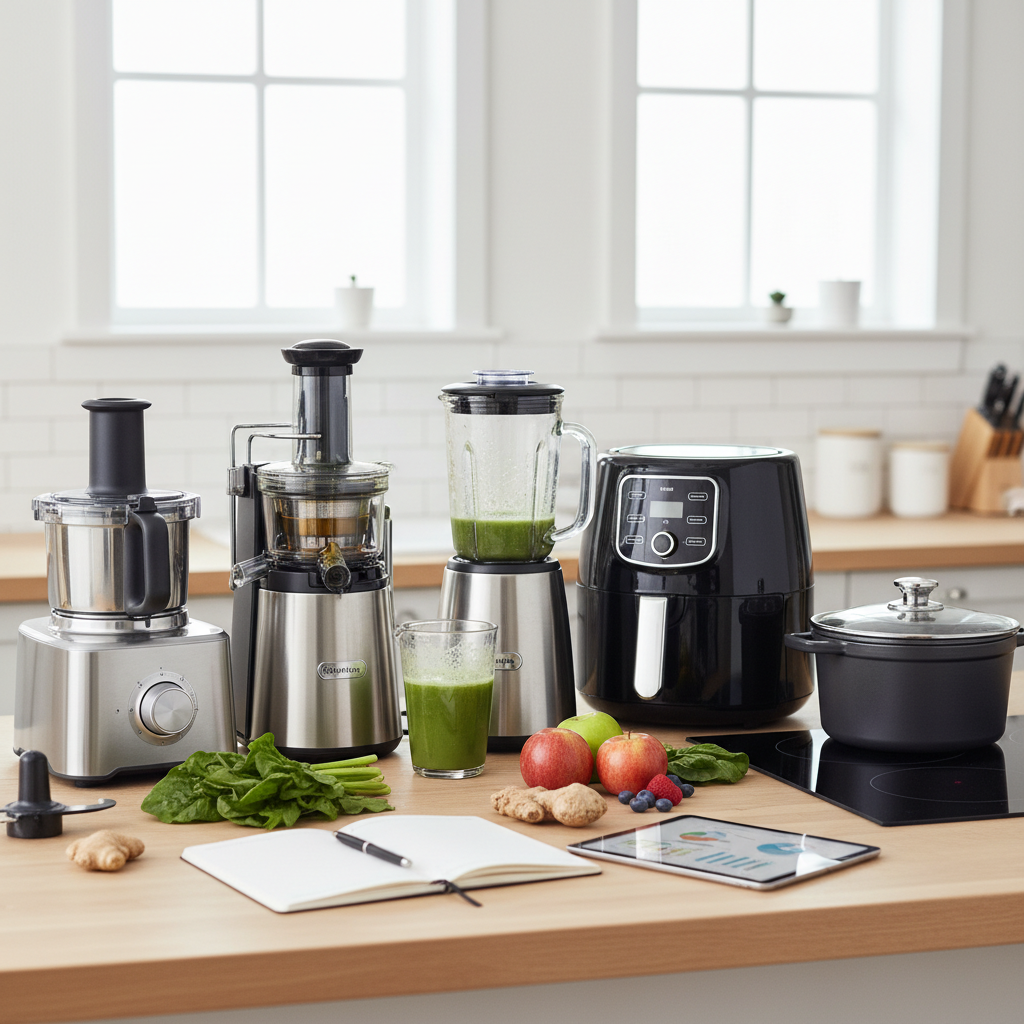
The Smart Shopper's Guide to Buying Health-Supporting Kitchen Appliances That Actually Matter
As someone who's spent years researching the intersection of nutrition and health, I've learned that the tools in your kitchen can make or break your wellness goals. While flashy gadgets often promise miraculous health transformations, the reality is more nuanced. Let me share what the research actually tells us about which kitchen appliances are worth your investment—and which ones are just expensive counter clutter.
The Science Behind Kitchen Tools and Health Outcomes
Recent studies in nutritional epidemiology show that people who cook at home consume significantly more nutrients and fewer calories than those who rely on processed foods. A 2019 study published in the International Journal of Behavioral Nutrition found that individuals with well-equipped kitchens were 23% more likely to meet daily vegetable intake recommendations.
But here's the catch: it's not about having the most appliances—it's about having the right ones that actually support your health goals and get used regularly.
High-Impact Appliances: The Research-Backed Winners
The Reliable Blender: Your Nutrient Absorption Ally
A quality blender isn't just about smoothies. Research from the University of California, Davis found that blending certain vegetables can increase the bioavailability of carotenoids by up to 600%. This means your body can actually absorb more of those disease-fighting compounds.
What to look for:
- Motor power of at least 1,000 watts for consistent performance
- BPA-free containers (endocrine disruptors are linked to metabolic dysfunction)
- Variable speed settings for texture control
- Easy-to-clean design (you'll actually use it if cleanup is simple)
Budget reality check: A solid mid-range blender ($100-200) often outperforms cheaper models and lasts significantly longer than budget options that burn out within a year.
The Air Fryer: Reducing Harmful Compounds Without Sacrificing Taste
I was initially skeptical of air fryers, dismissing them as another fad. However, research has shown they can reduce acrylamide formation—a potentially carcinogenic compound—by up to 90% compared to deep frying. A 2020 study in Food Chemistry confirmed that air frying maintains nutritional content while significantly reducing harmful oxidized oils.
Strategic buying tips:
- Size matters: Buy for your actual household, not aspirational meal prep goals
- Look for models with dishwasher-safe components
- Avoid the cheapest options—temperature consistency is crucial for food safety
- Consider combination models if counter space is limited
The Slow Cooker: Gentle Cooking for Maximum Nutrition
Slow cooking at low temperatures helps preserve heat-sensitive vitamins like vitamin C and folate. Research published in the Journal of Food Science shows that slow cooking can increase the antioxidant activity in certain foods, particularly legumes and tough cuts of meat that become more digestible.
Smart features worth paying for:
- Programmable timer with automatic warm setting
- Removable, dishwasher-safe insert
- Multiple temperature settings
- Tight-fitting lid to prevent moisture loss
The Overrated: Popular Appliances That Rarely Justify Their Cost
Juicers: The Fiber-Stripping Trap
While fresh juice sounds healthy, removing fiber dramatically changes how your body processes fruit sugars. A study in Diabetes Care found that consuming whole fruits reduced diabetes risk by 7%, while fruit juice increased risk by 21%. Unless you have specific digestive issues requiring low-fiber intake, whole fruits and vegetables are almost always the better choice.
Single-Use Gadgets: The Kitchen Clutter Culprits
Egg cookers, banana slicers, avocado tools—these seem convenient but often create more problems than they solve. Research on decision fatigue suggests that too many specialized tools can actually make cooking feel more overwhelming, reducing the likelihood you'll prepare meals at home.
The Strategic Shopping Framework
Before purchasing any kitchen appliance, I recommend asking yourself these evidence-based questions:
Question 1: Does This Address a Real Barrier?
If you're not eating enough vegetables because chopping takes too long, a food processor makes sense. If you rarely cook because cleanup feels overwhelming, prioritize appliances with dishwasher-safe components.Question 2: Will This Survive the "Three-Month Test"?
Studies on habit formation show that it takes an average of 66 days to establish a new routine. If you can't commit to using an appliance regularly for three months, don't buy it.Question 3: Does the Research Support the Health Claims?
Be skeptical of appliances promising to "unlock nutrients" or "eliminate toxins." Look for peer-reviewed research, not testimonials or marketing claims.Making Smart Financial Decisions
Buy Once, Buy Right
A 2022 consumer report found that people who spent 40-60% more on initial kitchen appliance purchases saved an average of $800 over five years in replacements and repairs. Quality construction and good warranties are investments in your long-term health goals.Consider Total Cost of Ownership
That expensive espresso machine might seem frivolous until you calculate that your daily coffee shop visits cost $1,800 per year. Sometimes the pricier upfront option saves money long-term while supporting your health goals.Timing Your Purchases
Major appliance sales typically happen in September (new model releases) and January (post-holiday clearance). Black Friday deals, while tempting, often feature inferior models made specifically for the sale.Key Takeaways for Health-Conscious Shoppers
Investing in kitchen appliances should support your actual cooking habits, not aspirational ones. Focus on tools that remove genuine barriers to healthy eating—whether that's time, convenience, or nutrition optimization.
The most expensive appliance is the one that sits unused. Choose based on evidence, not marketing hype, and remember that the best kitchen tool is the one you'll actually use to create nourishing meals for yourself and your family.
Your kitchen should work with your lifestyle, not against it. When you align your appliance choices with both scientific evidence and realistic self-assessment, you're investing in tools that will genuinely support your health for years to come.