How Booking a Narrow Boat Week on Scotland's Caledonian Canal Between Inverness and Fort William Delivers Highland Scenery at a Fraction of Hotel and Tour Costs
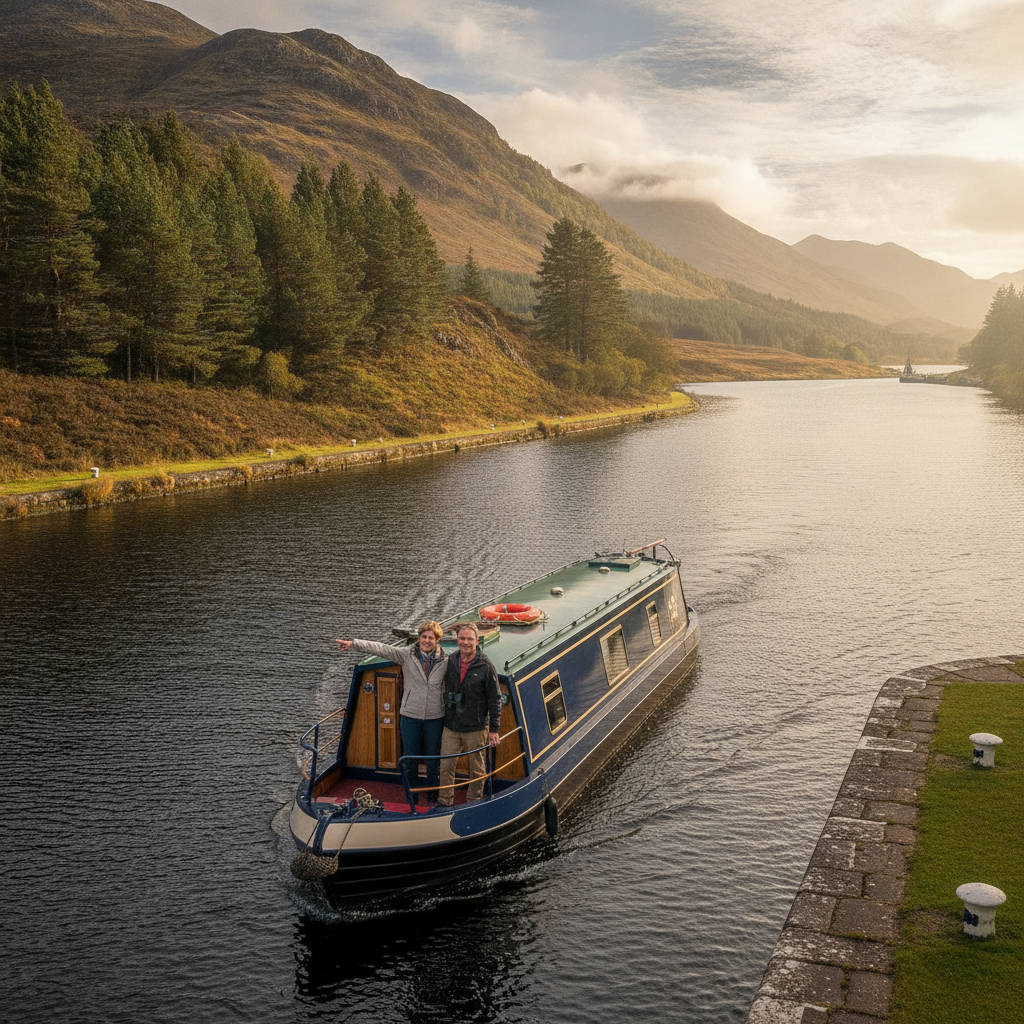
Some travel experiences quietly outperform everything else in their category — not because they're luxurious, but because they bundle scenery, accommodation, and transport into a single, surprisingly affordable package. Hiring a narrow boat for a week on Scotland's Caledonian Canal is exactly that kind of trip. You move through the Great Glen at your own pace, waking up to Ben Nevis reflections or the glassy stillness of Loch Ness, while your boat handles both the sleeping and the sightseeing. For travelers who've been priced out of Highland lodge rates or underwhelmed by rushed coach tours, the canal offers something genuinely different.
Understanding What the Caledonian Canal Actually Is
The Caledonian Canal runs roughly 60 miles through Scotland's Great Glen, connecting Inverness on the northeast coast to Corpach near Fort William in the southwest. It's a feat of early nineteenth-century engineering, threading together a series of freshwater lochs — Loch Ness, Loch Oich, and Loch Lochy among them — with man-made canal sections and a series of locks. The most famous stretch is Neptune's Staircase at Banavie, a flight of eight interconnected locks that's the longest in Britain. Traveling the full length takes most first-timers between five and seven days, depending on how often they stop.
Why the Cost Comparison Actually Holds Up
Hotel accommodation along the Great Glen corridor runs high for most of the warmer months, particularly in Inverness and Fort William. Add guided Highland tours, daily meals at restaurants, and the transport needed to see multiple landscapes, and a week's travel costs accumulate fast. A hired narrow boat — booked through operators like Caley Cruisers based in Inverness — typically includes sleeping quarters, a kitchen, fuel, and canal licence fees in one flat rate. When that figure is split across four or six travelers, the per-person daily cost often comes in well below what a single hotel room would cost in the same region. The boat is both your transport and your accommodation, which fundamentally changes the math.
What Practical Skills You Actually Need
The assumption that narrow boating requires sailing experience stops many travelers from considering it. Most canal hire companies offer a thorough handover session — usually two to three hours — before you leave the marina. Working the locks, mooring alongside canal banks, and managing the throttle are all skills most people pick up within the first half-day. Scotland's canal locks are staffed by Scottish Canals employees during operating hours, which removes much of the pressure from newcomers. The boats are wide-beamed and stable, designed for freshwater conditions rather than open sea, so the learning curve is genuine but not steep.
Planning the Route and Pacing Realistically
The most common mistake first-time canal travelers make is overplanning each day. The Caledonian Canal rewards slower movement. Allocating a full day to the Loch Ness section alone makes sense — the loch is 23 miles long, and the scenery along its southwestern bank shifts constantly between birch woodland and open cliff. Building in a mooring night at Fort Augustus, where the village center sits steps from the canal locks, gives access to local pubs and a grocery top-up without needing a car. Reaching Banavie with enough time to work Neptune's Staircase in a single morning session, then continuing into the sea lock at Corpach for a view of Ben Nevis, is a satisfying final-day structure.
Stocking the Galley Before You Leave Inverness
One of the clearest ways to control spending on a canal trip is cooking aboard rather than eating out at every stop. Before departing, a straightforward provisions run to a Tesco or Lidl in Inverness can cover breakfasts, packed lunches, and most evening meals for the full week. Canal boat galleys typically include a gas hob, oven, and adequate fridge space. Planning meals around flexible staples — eggs, pasta, tinned fish, fresh vegetables, cheese, bread — keeps the shopping list manageable and the food genuinely good. Buying local smoked salmon from a Loch Ness-area producer and picking up supplies at Fort Augustus gives the trip a rhythm that feels more immersive than restaurant-hopping.
Timing the Trip Around Scottish Weather and Canal Season
The Caledonian Canal operates roughly from late March through October, with peak demand falling between June and August when Highland daylight is almost continuous. Shoulder months — particularly May and September — offer a compelling alternative. Canal hire rates drop noticeably outside peak weeks, midges (the notorious Highland biting insects) are far less active, and the landscape takes on colors that summer's flat green doesn't deliver. September especially rewards travelers with early autumn tones on the loch shores and the kind of low-angle light that makes the Ben Nevis massif look dramatic even on overcast afternoons.
Managing the Locks Without Losing Your Mind
Locks are the defining social feature of canal travel — and once the initial nerves settle, most travelers find them genuinely enjoyable. The Caledonian Canal has 29 locks in total, with the majority clustered at each end of the route. Working through a flight of locks with another hired boat creates an easy, informal camaraderie that's a distinctive part of the experience. Scottish Canals lock-keepers manage the larger structures and are consistently helpful with timing questions and mooring advice. Keeping the boat fenders well-positioned and assigning one crew member to line-handling duties makes the process smooth enough that it stops feeling like work within the first day.
How This Trip Connects to a Broader Travel Philosophy
The narrow boat week on the Caledonian Canal works as well as it does because it refuses to separate the journey from the destination. The water itself is the experience — not a means of reaching somewhere else. That logic applies cleanly to the financial side too. When accommodation, transport, and daily cooking are consolidated into one booking and one floating kitchen, the per-day spend becomes controllable in a way that conventional Highland itineraries rarely are. The Great Glen's scenery hasn't changed, the canal's engineering still impresses, and the sense of moving through an extraordinary landscape at walking pace remains unlike anything a tour bus or hire car delivers. That combination is why this route keeps attracting travelers who've done Scotland before and want to experience it differently.