
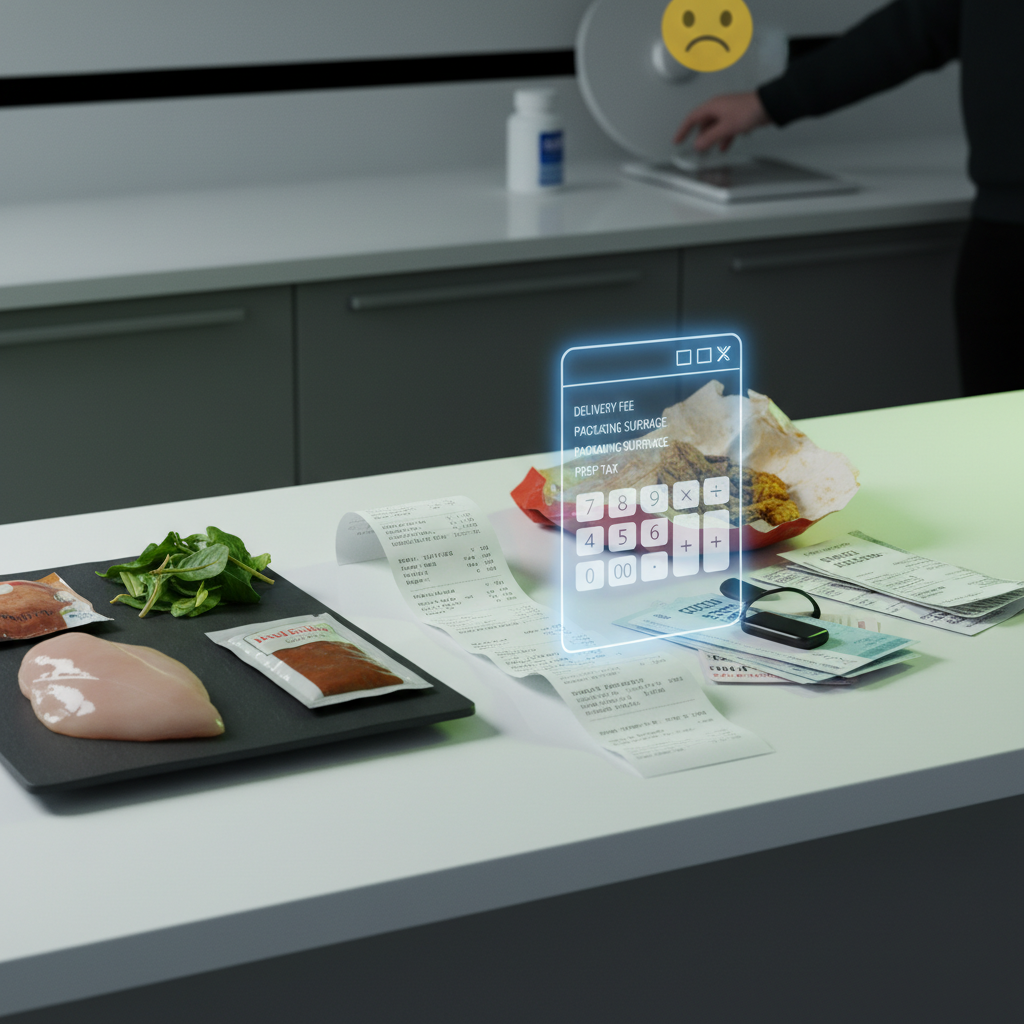
The Hidden Cost Calculator: Why Your 'Cheap' Meal Delivery Kits Are Sabotaging Your Budget and Health Goals
The Hidden Cost Calculator: Why Your 'Cheap' Meal Delivery Kits Are Sabotaging Your Budget and Health Goals
Let me guess – you've been tempted by those flashy meal kit ads promising restaurant-quality dinners for "just $7.99 per serving." Maybe you've even tried a few, lured in by those irresistible introductory offers. But here's what nobody tells you: those convenient boxes might be quietly draining your wallet while derailing your health goals in ways you haven't even considered.
As someone who's spent years helping people optimize their nutrition and budget simultaneously, I've seen the meal kit trap catch even the most well-intentioned individuals. Today, we're going to break down the real mathematics behind meal delivery services and arm you with a strategic framework for making smarter food purchasing decisions that actually support your life management goals.
The True Cost Breakdown: Beyond the Marketing Magic
That "$7.99 per serving" isn't telling the whole story. Let's dive into what you're actually paying for:
The Base Math Reality Check
- Average cost per serving after introductory pricing: $11-15
- Weekly cost for family of four (3 meals): $132-180
- Annual cost: $6,864-9,360
- Cost per pound of protein: Often 200-300% higher than grocery store prices
But here's where it gets interesting – and expensive. Most meal kits require minimum orders that often exceed what busy families actually need, leading to food waste that can add another 15-20% to your real costs.
The Hidden Fees That Add Up
Shipping costs that magically appear when you try to skip a week. Packaging waste that you're essentially paying premium prices for. Inflexibility fees when your schedule changes. These aren't just minor inconveniences – they're budget killers that compound over time.
The Nutritional Trade-Offs You're Not Seeing
Here's what really gets me fired up: meal kits market themselves as healthy, but the nutritional reality is far more complex.
Portion Control Myths
Meal kits often provide portions that look Instagram-ready but leave active adults genuinely hungry two hours later. This leads to:
- Supplemental snacking that adds hidden calories and costs
- Energy crashes from meals engineered for visual appeal rather than sustained nutrition
- Protein deficits that can sabotage fitness goals and metabolism
The Freshness Factor
Despite premium pricing, ingredients often spend 3-7 days in transit and storage, meaning you're paying luxury prices for produce that's nutritionally inferior to what you could select fresh at your local grocery store.
The Smart Buyer's Alternative Strategy
Instead of abandoning the convenience factor entirely, let's build a system that gives you control, saves money, and actually supports your health goals.
The 80/20 Meal Planning Method
80% Foundation Meals: Develop a rotation of 12-15 simple, nutritious meals you can prepare efficiently. These become your nutritional and financial anchor.
20% Adventure Meals: Reserve one night per week for trying new recipes or splurging on higher-end ingredients. This satisfies the variety craving that meal kits exploit.
Strategic Bulk Buying for Busy Lives
- Protein in bulk: Buy family packs and portion/freeze immediately
- Versatile vegetables: Focus on hardy options like bell peppers, broccoli, and spinach that work across multiple meals
- Grain and legume bases: Stock up on quinoa, brown rice, and lentils during sales
The 15-Minute Prep Revolution
This is where meal kits actually taught us something valuable – the power of pre-portioned ingredients. But you can do this yourself:
- Sunday prep sessions: Wash, chop, and portion vegetables for the week
- Protein batch cooking: Prepare 2-3 protein options that can be mixed and matched
- Sauce and seasoning prep: Make 2-3 flavor profiles in advance
When Meal Kits Actually Make Financial Sense
I'm not completely anti-meal kit – but there are specific scenarios where they can be a smart purchase:
Legitimate Use Cases
- Skill building phase: Using 2-3 kits per month to learn techniques, then replicating independently
- Recovery periods: Post-surgery, new baby, or other life transitions where convenience justifies premium pricing
- Special occasion cooking: Learning to prepare cuisines that require specialty ingredients you wouldn't normally buy
The Smart Sampling Strategy
If you're going to use meal kits strategically:
- Limit to introductory offers only
- Photograph recipe cards and ingredient lists for future independent preparation
- Calculate per-serving costs including shipping before committing
- Set calendar reminders to cancel before auto-renewals
Building Your Personal Food Cost Calculator
Create a simple spreadsheet tracking:
- Cost per serving for your most frequent meals
- Prep time investment versus convenience premium
- Nutritional density – protein, fiber, and micronutrients per dollar spent
- Satisfaction factor – how full and energized you feel 3 hours post-meal
This data becomes your personal buying guide, helping you make decisions based on your actual priorities rather than marketing promises.
The Bottom Line: Reclaim Your Food Budget
Meal delivery kits prey on our desire for convenience and variety, but they often deliver neither efficiently. By investing the same mental energy into strategic grocery shopping and meal planning that you'd spend managing kit deliveries, you can slash your food costs by 40-60% while improving nutritional quality.
The real win isn't just financial – it's the confidence that comes from taking control of one of your largest monthly expenses while building skills that serve your health goals for life. That's what I call truly smart buying: investments that pay dividends in both your bank account and your well-being.
Start with one week of tracking your current food costs, then implement just one element of this strategy. Small, sustainable changes compound into major lifestyle improvements – and that's always been the secret to lasting success.