
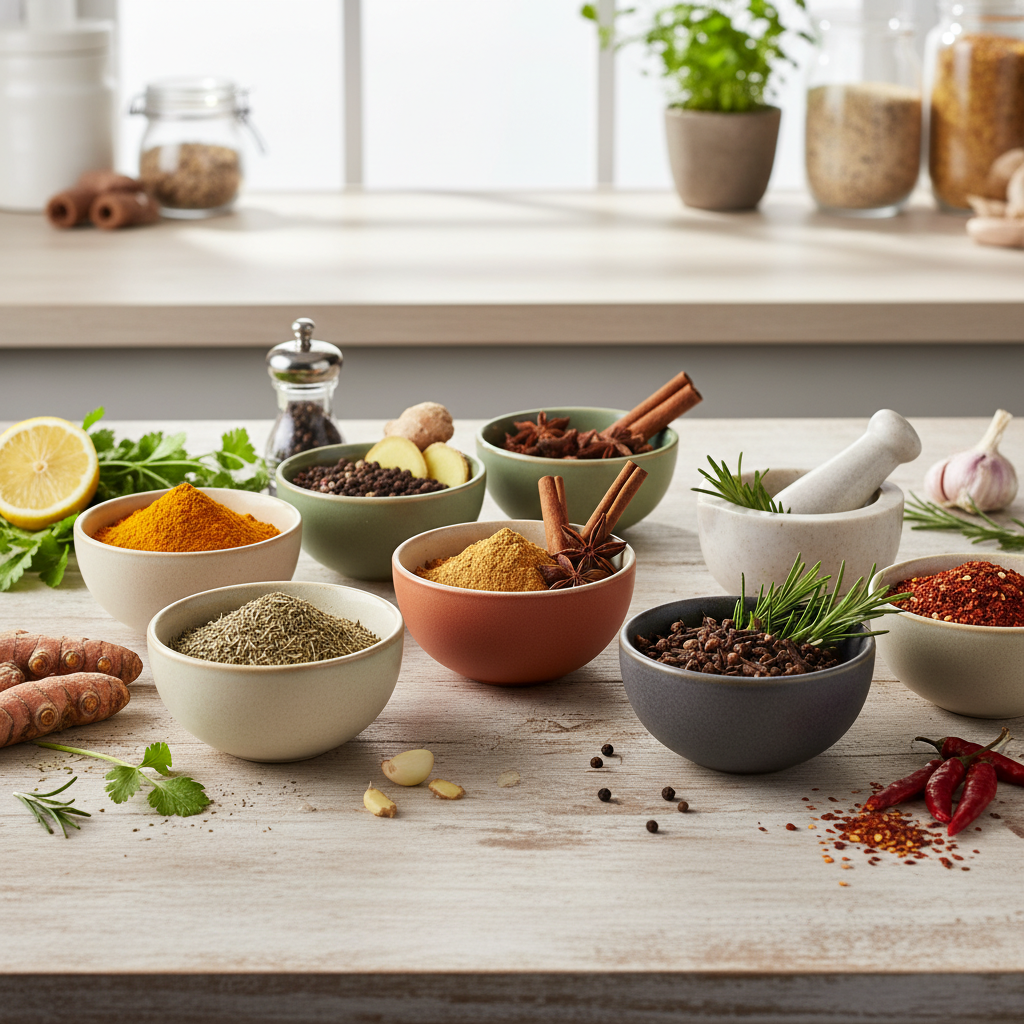
The Inflammation-Fighting Kitchen: 7 Science-Backed Spices That Act Like Natural Medicine
The Inflammation-Fighting Kitchen: 7 Science-Backed Spices That Act Like Natural Medicine
Hidden in your spice rack right now are some of the most powerful anti-inflammatory compounds known to science. While chronic inflammation silently contributes to everything from heart disease to arthritis, depression to diabetes, the solution might be as simple as reaching for the right jar when you're cooking dinner tonight.
As someone who's spent years translating medical research into practical health advice, I'm constantly amazed by how many people overlook their spice cabinet as a medicine chest. The reality? Some of these common seasonings have been clinically proven to be as effective as pharmaceutical anti-inflammatories, without the side effects.
Let me share the seven most powerful inflammation-fighting spices that deserve a permanent place in your kitchen – and more importantly, how to use them effectively.
Why Inflammation is Your Body's Double-Edged Sword
Before we dive into the spice rack, let's understand what we're fighting. Acute inflammation is actually your friend – it's your immune system's rapid response to injury or infection. But chronic inflammation? That's a different story.
Chronic inflammation occurs when your immune system stays "switched on" long after the initial threat is gone. This persistent inflammatory state damages healthy tissue and contributes to:
- Cardiovascular disease
- Type 2 diabetes
- Alzheimer's disease
- Autoimmune conditions
- Accelerated aging
- Certain cancers
The good news? The right foods – particularly spices rich in bioactive compounds – can help regulate this inflammatory response naturally.
The Magnificent Seven: Your Anti-Inflammatory Spice Arsenal
1. Turmeric: The Golden Healer
Active compound: Curcumin Evidence: Over 12,000 peer-reviewed studies
Turmeric isn't just trendy – it's legitimately powerful. The curcumin in turmeric has been shown to reduce inflammatory markers as effectively as ibuprofen in some studies, but without the gastrointestinal risks.
How to maximize absorption:
- Always pair with black pepper (piperine increases absorption by 2000%)
- Consume with a healthy fat like olive oil or coconut oil
- Heat enhances bioavailability
Daily dose: 1/2 to 1 teaspoon of ground turmeric
2. Ginger: The Digestive Dynamo
Active compounds: Gingerol, shogaol Key benefit: Particularly effective against inflammatory pain
Fresh ginger contains gingerol, while dried ginger develops shogaol – both are potent anti-inflammatory compounds. Research shows ginger can reduce muscle pain by up to 25% and may be as effective as NSAIDs for menstrual pain.
Best forms:
- Fresh ginger root (grate into smoothies, teas, stir-fries)
- Dried ground ginger for baking
- Ginger tea (steep 1 inch fresh root in hot water for 10 minutes)
Daily dose: 1-3 grams (about 1/2 teaspoon ground or 1 inch fresh root)
3. Cinnamon: The Blood Sugar Balancer
Active compound: Cinnamaldehyde Special power: Reduces inflammation linked to metabolic disorders
Cinnamon doesn't just make things taste amazing – it actively fights inflammation related to insulin resistance and metabolic syndrome. Studies show it can reduce inflammatory markers by up to 30%.
Choose Ceylon over Cassia: Ceylon cinnamon has lower coumarin levels, making it safer for daily use.
Easy additions:
- Sprinkle on oatmeal or yogurt
- Add to coffee grounds before brewing
- Use in savory dishes like Moroccan tagines
Daily dose: 1/2 to 1 teaspoon
4. Cloves: The Antioxidant Champion
Active compound: Eugenol Claim to fame: Highest antioxidant content of any spice
Cloves pack more antioxidants per gram than blueberries. The eugenol in cloves has powerful anti-inflammatory effects and may help protect against chronic diseases.
Usage tips:
- Use whole cloves in slow-cooked dishes (remove before serving)
- Add ground cloves to baked goods
- Steep in hot beverages
Daily dose: 1/8 to 1/4 teaspoon (cloves are potent!)
5. Rosemary: The Brain Protector
Active compounds: Rosmarinic acid, carnosol Special benefit: Crosses the blood-brain barrier to fight neuroinflammation
Rosemary's anti-inflammatory compounds are particularly effective at reducing inflammation in the brain, potentially protecting against cognitive decline and neurodegenerative diseases.
Best practices:
- Use fresh when possible (higher active compound content)
- Add to roasted vegetables and meats
- Infuse in olive oil for cooking
Daily dose: 1-2 teaspoons fresh (or 1/2 teaspoon dried)
6. Cayenne Pepper: The Circulation Booster
Active compound: Capsaicin Key action: Reduces substance P, a neurotransmitter that signals inflammation
Capsaicin literally depletes the body's supply of substance P, interrupting pain and inflammatory signals. It's particularly effective for arthritis and neuropathic pain.
Start small: Begin with just a pinch and gradually increase tolerance Applications:
- Add to soups and stews
- Sprinkle on dark chocolate
- Mix into homemade salad dressings
Daily dose: Start with 1/8 teaspoon, work up to 1/2 teaspoon
7. Black Pepper: The Absorption Enhancer
Active compound: Piperine Superpower: Dramatically increases bioavailability of other compounds
While black pepper has its own anti-inflammatory properties, its real magic lies in enhancing the absorption of other beneficial compounds – especially curcumin from turmeric.
Pro tip: Freshly cracked black pepper contains significantly more piperine than pre-ground.
Creating Your Daily Anti-Inflammatory Routine
Morning Golden Milk Latte
Combine in warm plant milk:- 1/2 tsp turmeric
- Pinch of black pepper
- 1/4 tsp cinnamon
- 1/4 tsp ginger
- Pinch of cloves
All-Purpose Anti-Inflammatory Seasoning Blend
Mix and store in an airtight container:- 2 tbsp turmeric
- 1 tbsp ginger
- 1 tbsp cinnamon
- 1 tsp black pepper
- 1 tsp cloves
- 1 tbsp dried rosemary
- 1 tsp cayenne
Use 1/2 to 1 teaspoon daily on vegetables, in soups, or mixed into yogurt.
Maximizing the Medicine in Your Meals
To get the most anti-inflammatory bang for your buck:
Combine strategically: Many spices work synergistically. The classic turmeric-black pepper combination is just the beginning.
Use heat wisely: Some compounds (like curcumin) become more bioavailable when heated, while others (like gingerol) are best used fresh.
Don't forget fat: Many anti-inflammatory compounds are fat-soluble. Always consume with a healthy fat source.
Be consistent: These compounds work best with regular, daily consumption rather than occasional large doses.
Your Spice Cabinet Medicine Chest
Transforming your relationship with spices from "flavor enhancers" to "daily medicine" is one of the simplest, most cost-effective health strategies you can implement. These seven powerhouses offer a natural, delicious way to combat chronic inflammation and support long-term health.
Start with one or two spices that appeal to you, then gradually expand your anti-inflammatory arsenal. Your taste buds – and your inflammatory markers – will thank you. Remember, the most powerful medicine might already be sitting in your kitchen cabinet, waiting to transform your health one meal at a time.