
How Airport Priority Pass Restaurant Credits Actually Work and When They Beat Traditional Lounge Access
Priority Pass restaurant credits transform airport dining from expensive necessity into strategic fuel stops, but understanding their mechanics determines whether you'll maximize value or waste money on overpriced terminal food.
Most travelers discover Priority Pass through credit card benefits like Chase Sapphire Reserve or Capital One Venture X, then assume lounge access represents the primary value. Restaurant credits operate differently than lounge visits, creating opportunities for better meals and genuine savings when you understand the system's nuances.
How Do Restaurant Credit Allocations Actually Function?
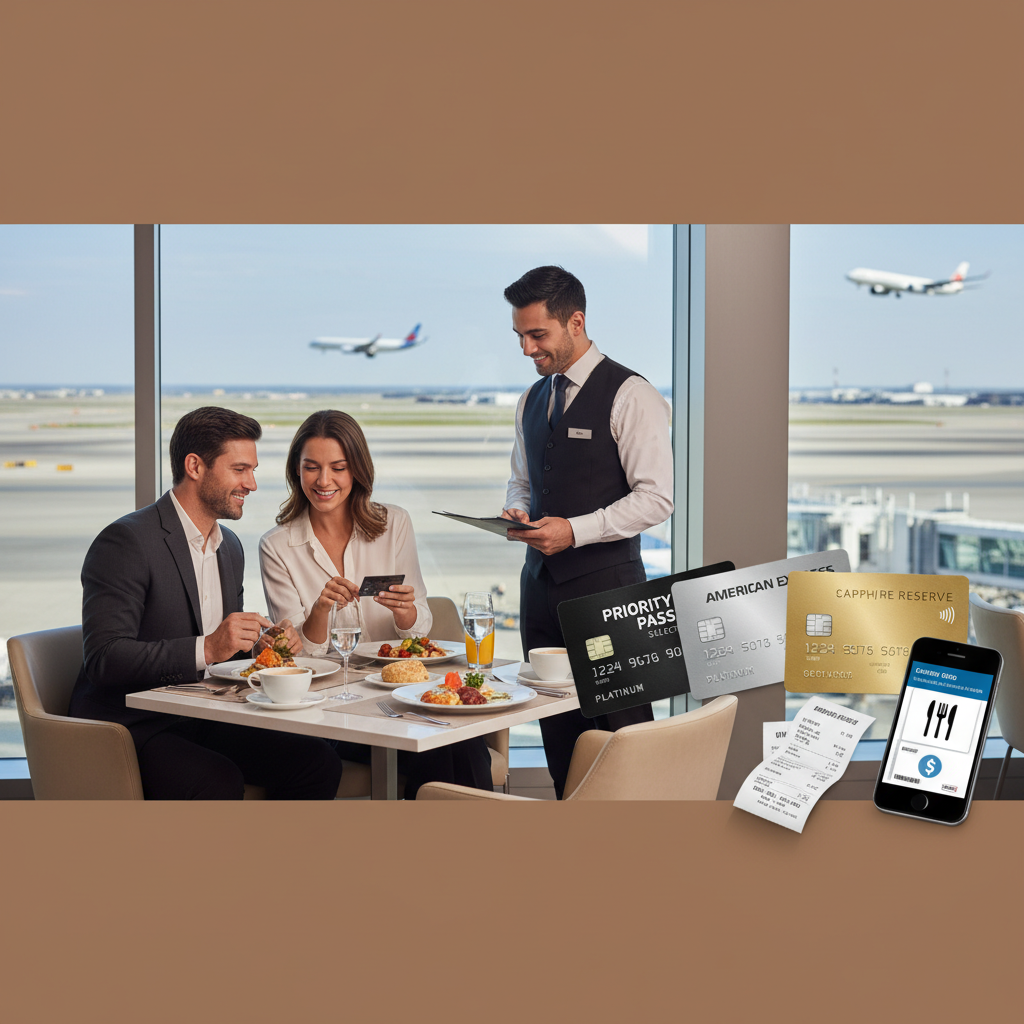
Priority Pass restaurant credits typically provide $28-30 per person per visit, applied directly to your bill before you pay the remainder. The credit activates when you present your Priority Pass card or digital membership, regardless of whether participating restaurants are inside or outside security checkpoints. Unlike lounge access, restaurant credits don't require specific operating hours or capacity limits, making them available whenever partner restaurants stay open. You'll find participating locations at major hubs like LAX, JFK, and Denver International, though availability varies significantly by terminal and concourse.
When Do Restaurant Credits Beat Lounge Food Options?
Restaurant credits excel during meal times when you want substantial, freshly prepared food rather than lounge buffet selections. Airport lounges typically offer continental breakfast items, basic sandwiches, and snacks, while Priority Pass restaurant partners include full-service establishments like Wolfgang Puck, Shake Shack, and local specialty concepts. The credits work especially well for families, since children often receive their own credit allocation, potentially covering entire family meals. Restaurant dining also eliminates lounge time limits, allowing you to eat at your preferred pace without feeling rushed to maximize buffet access.
Which Airports Offer the Best Restaurant Credit Value?
Seattle-Tacoma International leads in restaurant credit diversity, featuring everything from seafood specialists to craft brewery partnerships throughout multiple terminals. Los Angeles International provides strong options in Terminal 6 with Mexican concepts and Terminal 7's steakhouse selections, though credit amounts may not cover full entrées at premium locations. Denver International offers solid midwestern fare and barbecue options that align well with typical credit allocations, while Miami International focuses on Latin American cuisine that delivers generous portions within credit limits. European airports like Amsterdam Schiphol and London Heathrow participate but offer fewer restaurant partners compared to US hubs.
How Do Credit Limitations Affect Real Dining Costs?
Restaurant credits rarely cover complete meals at airport pricing, typically requiring $10-20 additional payment for entrées, beverages, and tips. Alcohol purchases usually exceed credit limits entirely, making restaurant benefits most valuable for travelers who plan to eat substantial meals regardless. The credits work best when applied to higher-quality food choices that would otherwise cost $35-45, effectively reducing premium airport dining to reasonable levels. Smart credit users focus on restaurants where portion sizes and ingredient quality justify the remaining out-of-pocket expense, rather than trying to stay strictly within credit limits.
What Makes Timing Critical for Restaurant Credit Success?
Peak dining hours create longer waits at popular Priority Pass restaurants, potentially eating into connection time or pre-boarding periods. Early morning and late evening typically offer faster service and better table availability, though restaurant selection may be limited during off-peak hours. Weekend travel increases restaurant demand significantly, making advance planning essential for popular locations like Austin-Bergstrom or Nashville International. International departure terminals often close restaurant partners earlier than domestic areas, requiring strategic meal timing based on your specific terminal and departure schedule.
When Does Traditional Lounge Access Provide Better Value?
Lounge access beats restaurant credits for travelers seeking quiet workspace, reliable wifi, and extended stays between connections. Business travelers who need conference call spaces or charging stations benefit more from lounge amenities than restaurant meals, especially during short layovers. Lounges excel for early morning departures when restaurant options remain limited, providing consistent coffee, pastries, and basic breakfast items regardless of terminal dining schedules. International lounges often include shower facilities and sleep areas that restaurant credits can't replace, making them essential for long-haul travel recovery.
How Do Family Dynamics Change Restaurant Credit Strategy?
Family travel multiplies restaurant credit value significantly, since children typically receive separate credit allocations that can cover kids' meals entirely. Restaurant dining accommodates family scheduling better than lounges, allowing staggered arrival times and flexible seating arrangements without membership verification hassles. Traveling with young children makes restaurant credits particularly valuable at airports with family-friendly concepts like Johnny Rockets or local pizza partnerships. Multiple credits within one family group often cover shared appetizers, individual entrées, and beverages without substantial additional costs, creating genuine dining value rather than just partial discounts.
Airport restaurant credit programs continue expanding as dining partnerships prove more profitable than traditional lounge construction. Expect increased restaurant variety and potentially higher credit amounts as Priority Pass competes with growing premium credit card benefits that emphasize food and beverage perks over traditional lounge amenities.