
The Home Warranty Scam Nobody Talks About: Why Most Coverage Is Worthless (And What to Buy Instead)
The Home Warranty Scam Nobody Talks About: Why Most Coverage Is Worthless (And What to Buy Instead)
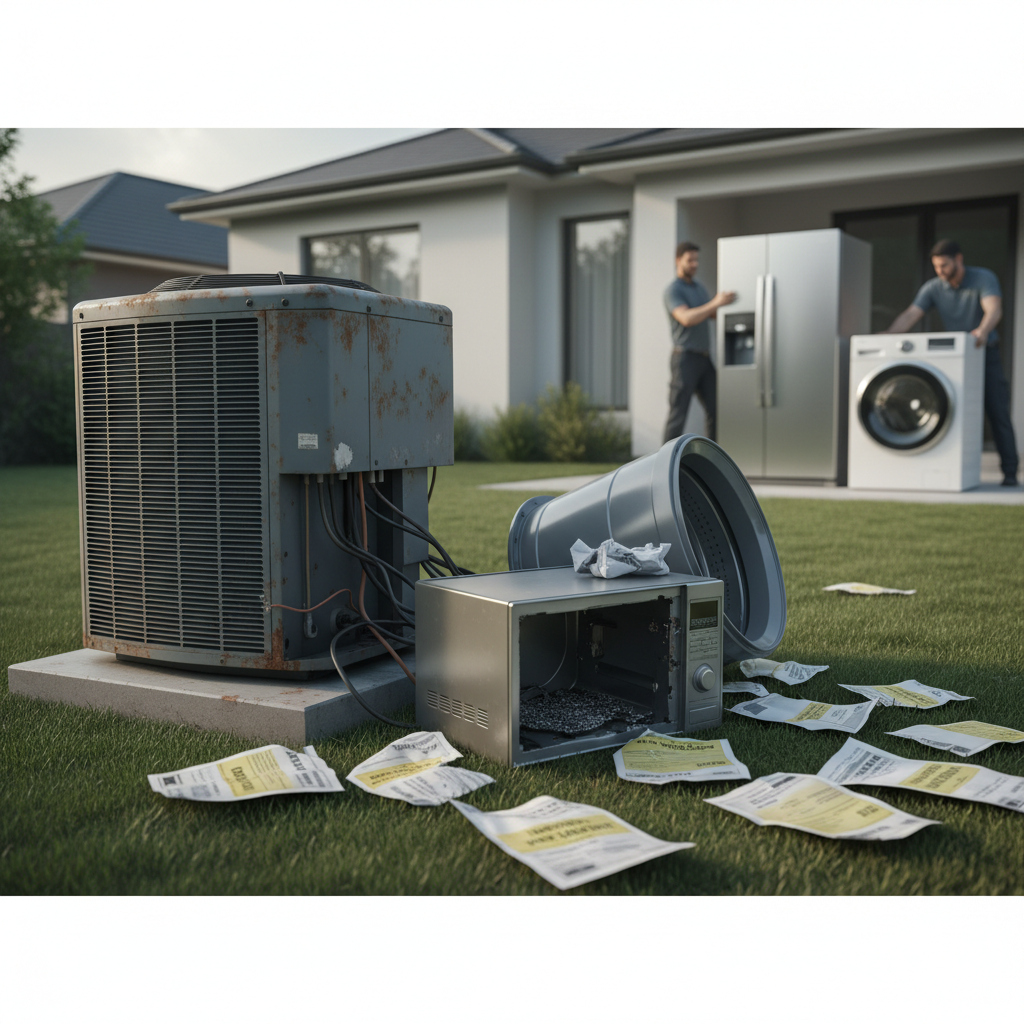
Last month, my friend Sarah called me in tears. Her 15-year-old HVAC system had died during a scorching July week, and despite paying $600 annually for a "comprehensive" home warranty, she was told the repair would cost her $1,200 out of pocket—plus a $125 service fee just for the technician to tell her what she already knew.
Sarah's story isn't unique. Home warranties have become a $6 billion industry built on clever marketing and consumer confusion. As someone who's spent years helping families optimize their spending, I've seen too many people throw money at these plans thinking they're protecting their homes, only to discover they're essentially paying for the privilege of getting denied coverage.
Let me show you why most home warranties are financial quicksand—and what savvy homeowners do instead to truly protect their investments.
The Home Warranty Promise vs. Reality
Home warranty companies sell dreams: "Complete peace of mind for just pennies a day!" They paint pictures of worry-free homeownership where a single phone call fixes everything from broken dishwashers to failed water heaters.
The reality? Most home warranties are masterclasses in creative exclusions and profit-driven limitations.
The Hidden Costs That Kill Your Savings
- Service fees for every visit: $75-$125 each time, whether they fix anything or not
- Coverage caps: Many plans cap appliance repairs at $500-$1,000—barely covering major fixes
- Upgrade fees: If your appliance can't be repaired, you'll pay hefty "upgrade charges" for modern replacements
- Multiple service calls: Companies often send undertrained technicians who require 2-3 visits for simple repairs
The Exclusion Game
Home warranty contracts read like legal novels designed to find reasons to deny claims:
- Pre-existing conditions (broadly interpreted)
- "Improper maintenance" (subjectively determined)
- Cosmetic issues that affect function
- Code compliance upgrades
- Anything deemed "wear and tear"
I've reviewed dozens of contracts, and the average home warranty excludes more scenarios than it covers.
Why the Math Never Works in Your Favor
Let's break down the real economics. A typical home warranty costs $500-$700 annually, plus service fees. Over five years, you're spending $2,500-$3,500 minimum.
For that same money, you could:
- Build an emergency home repair fund earning interest in a high-yield savings account
- Invest in preventive maintenance that extends appliance life
- Purchase quality extended warranties directly from manufacturers
- Buy appliance insurance that actually covers what it promises
The 80/20 Rule of Home Repairs
Here's what warranty companies know but won't tell you: 80% of home repairs cost under $300. The remaining 20% are major issues that warranties typically exclude or severely limit coverage for.
You're essentially paying premium prices for coverage on minor repairs you could easily afford, while getting minimal protection on the big-ticket items you actually need help with.
What Smart Homeowners Do Instead
Strategy 1: The DIY Emergency Fund
Instead of paying warranty premiums, create a dedicated home maintenance fund:
- Start with $1,000: Covers 90% of common repairs
- Add $50-$75 monthly: The amount you'd spend on warranty premiums
- Keep it liquid: High-yield savings account for easy access
- Replenish after use: Treat it like insurance you control
This approach gives you actual money to spend on repairs, not promises that might be denied.
Strategy 2: Strategic Extended Warranties
Buy targeted coverage that actually works:
- Manufacturer extended warranties: Direct from appliance makers, fewer exclusions
- Credit card protection: Many cards offer purchase protection and extended warranties
- Retailer service plans: Store-based plans often provide better local service
Strategy 3: Preventive Maintenance Scheduling
Prevention beats reaction every time:
- Annual HVAC tune-ups: Extend system life by 5-10 years
- Water heater flushing: Simple maintenance prevents costly failures
- Appliance cleaning: Regular maintenance prevents 70% of common breakdowns
- Professional inspections: Catch problems before they become emergencies
When Home Warranties Might Make Sense
I'm not completely anti-warranty. There are specific situations where they can provide value:
For New Home Buyers
If you're purchasing an older home with aging appliances and limited cash reserves, a first-year warranty might provide temporary peace of mind while you build your emergency fund.
As Seller Incentives
Home warranties work well as closing incentives when selling. They transfer the risk to buyers who can decide whether to renew.
For Landlords
Rental property owners sometimes benefit from warranties that provide predictable repair costs and tenant satisfaction.
Building Your Smart Protection Strategy
Here's my recommended approach for most homeowners:
- Month 1-6: Build your $1,000 emergency fund
- Month 6-12: Research and purchase targeted extended warranties for major appliances
- Ongoing: Maintain your fund with monthly contributions
- Annual review: Assess what worked, adjust coverage as appliances age
The Documentation System
Keep detailed records:
- Purchase dates and warranty periods
- Maintenance schedules and receipts
- Repair history and costs
- Model numbers and service manuals
This information becomes invaluable when making repair-versus-replace decisions.
The Bottom Line: Take Control of Your Home Protection
Home warranties profit by collecting premiums while minimizing payouts. They're designed to benefit the company, not you.
By building your own emergency fund, investing in preventive maintenance, and purchasing strategic coverage where it makes sense, you'll save money while getting better protection for your home.
Your house is likely your largest investment. Don't let warranty companies profit from your desire to protect it. Take control, build real financial cushions, and sleep better knowing you're prepared for whatever breaks next—without the fine print, exclusions, and disappointments that come with most home warranty plans.
Remember Sarah from the beginning? She canceled her warranty, started her emergency fund, and six months later had enough saved to upgrade to a more efficient HVAC system. That's the power of keeping your money working for you instead of against you.