
Why Your Gut Health is the Secret Control Center of Your Energy, Mood, and Immunity
Why Your Gut Health is the Secret Control Center of Your Energy, Mood, and Immunity
Have you ever noticed how a stressful week leaves you feeling not just mentally drained, but physically run down too? Or how certain foods make you feel sluggish while others give you sustained energy? The answer lies in an often-overlooked system that's quietly orchestrating much of your daily well-being: your gut microbiome.
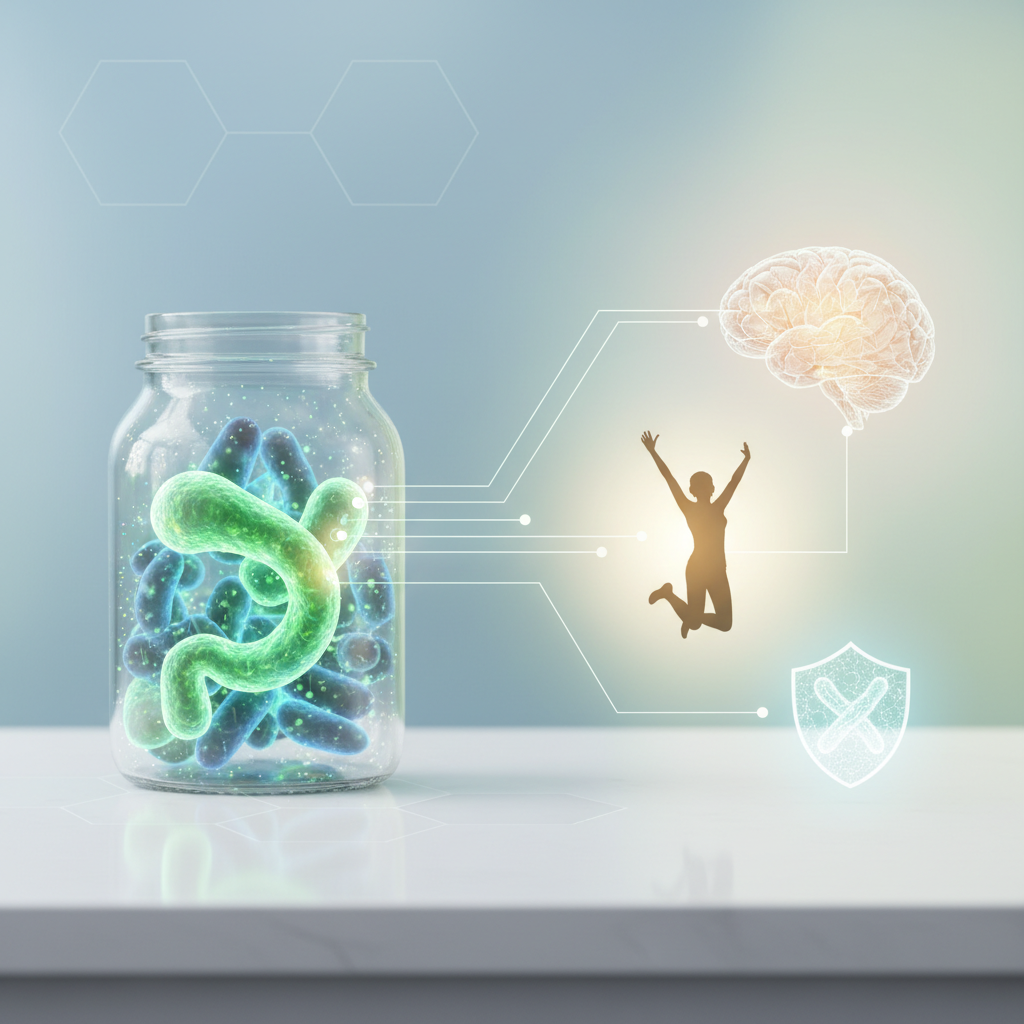
As someone who's spent years translating complex medical research into practical health strategies, I'm continually amazed by how much our gut health influences every aspect of our lives. Think of your gut as mission control for your body—a bustling ecosystem of trillions of bacteria that communicate directly with your brain, immune system, and energy production centers.
The science is clear: when your gut is thriving, you feel more energetic, emotionally balanced, and resilient against illness. When it's struggling, the ripple effects touch everything from your Monday morning motivation to your ability to fight off that cold going around the office.
The Gut-Brain Highway: Your Second Brain in Action
Your gut contains over 500 million neurons—more than your spinal cord. This "enteric nervous system" produces about 90% of your body's serotonin, the neurotransmitter responsible for mood regulation and feelings of well-being.
Recent research from UCLA and other leading institutions shows that the gut-brain axis operates like a two-way highway. When beneficial bacteria flourish in your gut, they produce compounds that promote mental clarity and emotional stability. Conversely, an imbalanced gut microbiome—what scientists call dysbiosis—has been linked to:
- Increased anxiety and depression
- Brain fog and difficulty concentrating
- Mood swings and irritability
- Sleep disturbances
The Inflammation Connection
When harmful bacteria outnumber beneficial ones, your gut lining can become permeable (often called "leaky gut"). This allows toxins and partially digested food particles to enter your bloodstream, triggering chronic low-grade inflammation throughout your body.
This inflammation doesn't just affect digestion—it reaches your brain, contributing to that foggy, unfocused feeling that makes even simple tasks feel overwhelming.
Your Gut as Immune System Headquarters
Here's a statistic that might surprise you: approximately 70% of your immune system resides in your gut. The beneficial bacteria in your microbiome act like a well-trained security team, identifying threats and coordinating your body's defense responses.
When your gut bacteria are diverse and balanced, they:
- Train your immune cells to distinguish between harmful pathogens and harmless substances
- Produce antimicrobial compounds that fight off bad bacteria and viruses
- Strengthen your gut barrier to prevent toxins from entering your bloodstream
- Regulate inflammatory responses to prevent overreactions that can lead to autoimmune issues
A landmark study published in Science found that people with more diverse gut bacteria had stronger immune responses to vaccines and were less likely to develop respiratory infections.
The Energy Production Factory
Ever wonder why some people seem to have boundless energy while others struggle with afternoon crashes? Your gut bacteria play a crucial role in energy metabolism and nutrient absorption.
Healthy gut bacteria help:
Extract Maximum Nutrition
Beneficial bacteria break down complex carbohydrates and fiber that your body can't digest on its own, producing short-chain fatty acids (SCFAs) that serve as fuel for your cells.Synthesize Essential Vitamins
Your gut bacteria manufacture several B vitamins crucial for energy production, including B12, folate, and biotin. They also help produce vitamin K, essential for bone health and blood clotting.Regulate Blood Sugar
A healthy microbiome helps maintain stable blood sugar levels, preventing the energy spikes and crashes that leave you reaching for another cup of coffee or sugary snack.Science-Backed Strategies to Optimize Your Gut Health
1. Diversify Your Fiber Intake
Aim for 25-35 different plant foods per week. This isn't as daunting as it sounds—herbs, spices, nuts, seeds, fruits, and vegetables all count. Each plant provides unique prebiotic fibers that feed different bacterial strains.
Easy wins:
- Add berries and ground flaxseed to your morning yogurt
- Sprinkle different herbs and spices on your meals
- Try one new vegetable or fruit each week
2. Include Fermented Foods Daily
Fermented foods provide live beneficial bacteria along with the byproducts of fermentation that support gut health. Research shows that people who eat fermented foods regularly have more diverse microbiomes.
Best options:
- Kefir or yogurt with live cultures
- Sauerkraut or kimchi
- Miso soup
- Kombucha (low sugar varieties)
3. Time Your Eating for Gut Rest
Your gut bacteria follow circadian rhythms too. Allowing 12-14 hours between dinner and breakfast gives your digestive system time to rest and repair.
4. Manage Stress Proactively
Chronic stress literally changes your gut bacteria composition. A 2019 study found that just eight weeks of meditation practice significantly improved gut microbiome diversity.
Stress-busting strategies:
- Practice deep breathing for 5 minutes daily
- Take short walks in nature
- Maintain consistent sleep schedules
- Limit multitasking during meals
5. Be Antibiotic-Smart
While antibiotics are sometimes necessary, they can disrupt your microbiome for months. If you need antibiotics, ask your doctor about taking probiotics during and after treatment.
The 30-Day Gut Reset Protocol
If you're ready to experience the energy, mood, and immune benefits of optimal gut health, try this evidence-based approach:
Week 1-2: Foundation
- Eliminate processed foods and artificial sweeteners
- Add one fermented food daily
- Increase fiber gradually to prevent digestive upset
Week 3-4: Optimization
- Aim for 30+ plant varieties per week
- Implement stress management practices
- Establish consistent meal timing
Beyond 30 days:
- Monitor how different foods affect your energy and mood
- Adjust fiber intake based on digestive comfort
- Continue stress management as a non-negotiable
Key Takeaways: Your Gut Health Action Plan
Your gut microbiome isn't just about digestion—it's the command center influencing your energy levels, emotional well-being, and immune resilience. The good news? You have more control over this system than you might think.
Start small: add one fermented food to your daily routine, increase your vegetable variety, and pay attention to how stress affects your digestion. These seemingly simple changes can create profound shifts in how you feel and function.
Remember, building a healthy microbiome is a marathon, not a sprint. Be patient with the process, and trust that your body knows how to heal when given the right tools. Your future self—energized, balanced, and resilient—will thank you for investing in your gut health today.