
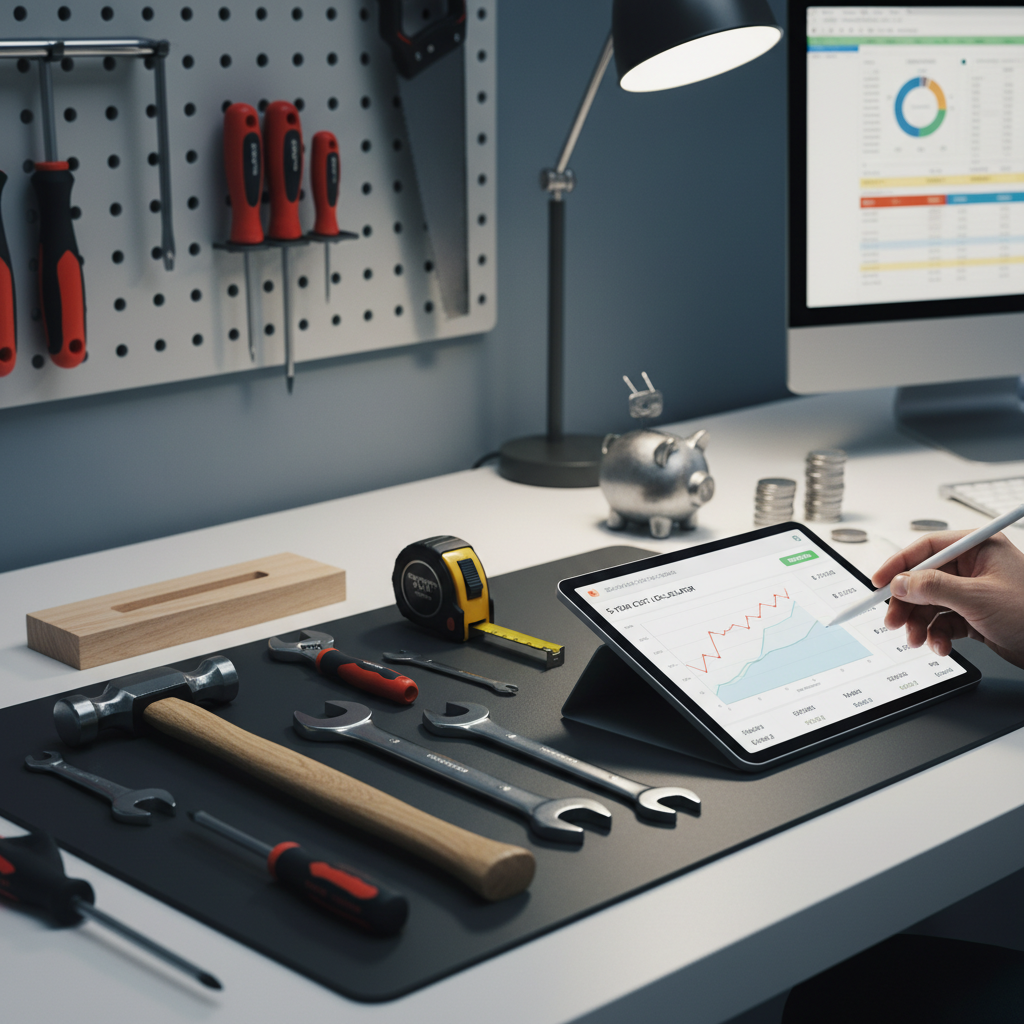
Stop Wasting Money on Tools: The 5-Year Cost Calculator That Will Transform Your Workshop Spending
Stop Wasting Money on Tools: The 5-Year Cost Calculator That Will Transform Your Workshop Spending
I used to be that person who'd buy the cheapest drill at the hardware store, only to replace it six months later when it died mid-project. Sound familiar? After years of making expensive "cheap" purchases, I developed a simple formula that completely changed how I approach tool buying. It's called the 5-Year Cost Calculator, and it's saved me thousands while actually improving the quality of my workshop.
Today, I'll share this exact system with you, along with the specific tools where it matters most and those where you can still go budget-friendly without regret.
The Hidden Truth About Tool Economics
Most people think about tools backwards. They see a $40 drill versus a $120 drill and automatically assume the cheaper option is "smarter." But here's what that thinking cost me over five years:
- Cheap drill #1: $40 (lasted 8 months)
- Cheap drill #2: $45 (lasted 6 months)
- Cheap drill #3: $40 (still limping along after 4 months)
- Total cost: $125 for inferior performance
Meanwhile, my neighbor bought one quality drill for $120 five years ago and it's still going strong. The math is brutal when you see it laid out.
The 5-Year Cost Calculator Formula
Here's the simple formula that changed everything for me:
Total 5-Year Cost = (Purchase Price + Annual Maintenance) × Expected Replacements
But the real magic happens when you factor in these three variables:
1. Usage Frequency
- Daily use: Multiply cheap tool cost by 3-5x
- Weekly use: Multiply by 2-3x
- Monthly use: Multiply by 1.5-2x
- Occasional use: Budget options often work fine
2. Replacement Timeline
- Budget tools: Typically 6-18 months with regular use
- Mid-range tools: 2-4 years
- Professional-grade tools: 5-10+ years
3. Hidden Costs
- Time lost to tool failures during projects
- Frustration and project delays
- Additional accessories needed for cheaper tools
- Potential safety issues with inferior tools
The "Buy Once, Cry Once" Tool Categories
After testing this calculator across dozens of tools, certain categories consistently favor the "invest upfront" approach:
Power Tools (High-Use Items)
Drills, circular saws, sanders, impact drivers- Budget option: $40-60, lasts 6-12 months
- Quality option: $120-180, lasts 5-8 years
- 5-year savings: $100-200+ per tool
Hand Tools (Daily Drivers)
Screwdrivers, wrenches, pliers, tape measures- Quality hand tools often last decades
- Comfort matters when you use them frequently
- Better grip and precision reduce mistakes
Safety Equipment
Safety glasses, hearing protection, work gloves- Never compromise on safety gear
- Comfort encourages consistent use
- Better protection prevents costly injuries
Where Budget Tools Still Make Sense
Not every tool needs the premium treatment. Here's where I still go budget-friendly:
Specialty Tools (Rare Use)
- Tools you'll use once or twice a year
- Project-specific items
- Tools you're trying out for the first time
Consumable Items
- Drill bits and saw blades (buy quality when you find your preferred type)
- Sandpaper and abrasives
- Basic hardware like screws and nails
Gateway Tools
- When you're unsure about a tool category
- Start budget, then upgrade based on actual use
- Learn what features matter before investing
Real-World Calculator Examples
Example 1: The Weekend Warrior's Circular Saw
Usage: Monthly DIY projectsBudget Option:
- Cost: $60
- Expected life: 18 months
- 5-year replacements: 3-4
- Total 5-year cost: $180-240
Quality Option:
- Cost: $160
- Expected life: 6+ years
- 5-year replacements: 1
- Total 5-year cost: $160
- Savings: $20-80 plus better performance
Example 2: The Daily Contractor's Impact Driver
Usage: Daily professional useBudget Option:
- Cost: $50
- Expected life: 4-6 months
- 5-year replacements: 10-15
- Total 5-year cost: $500-750
Professional Option:
- Cost: $200
- Expected life: 5+ years
- 5-year replacements: 1
- Total 5-year cost: $200
- Savings: $300-550
Smart Shopping Strategies for Tool Buyers
Timing Your Purchases
- Black Friday/Holiday sales: 20-40% off quality tools
- Spring clearances: Last year's models at deep discounts
- End of summer: Seasonal tool clearances
Where to Find Quality for Less
- Factory reconditioned tools: Often 30-50% off with full warranties
- Previous generation models: Same quality, lower price
- Professional tool rental returns: Lightly used, heavily discounted
Red Flags to Avoid
- Prices that seem too good to be true
- No warranty or very short warranty periods
- Brands you've never heard of with no reviews
- Tools that feel flimsy in the store
Building Your Tool Collection Strategically
Don't try to build a complete workshop overnight. Here's my recommended priority system:
- Start with your most-used tools (drill, basic hand tools)
- Invest in safety equipment (never compromise here)
- Add tools based on actual project needs (not impulse buys)
- Upgrade budget tools when they break or limit your projects
Key Takeaways: Your Tool Buying Action Plan
The 5-Year Cost Calculator isn't about spending more money—it's about spending money smarter. Before your next tool purchase:
- Calculate your true usage frequency and expected tool life
- Factor in hidden costs like project delays and frustration
- Research the sweet spot between budget and premium options
- Time your purchases around sales and clearance events
- Start with quality basics and build strategically
Remember, the goal isn't to have the most expensive tools—it's to have reliable tools that don't break your budget over time. Sometimes that means buying budget, sometimes it means investing upfront. The calculator helps you make that decision with confidence, not guesswork.
Your future self (and your wallet) will thank you for taking the long view on tool purchases. After all, the most expensive tool is the one that breaks when you need it most.