
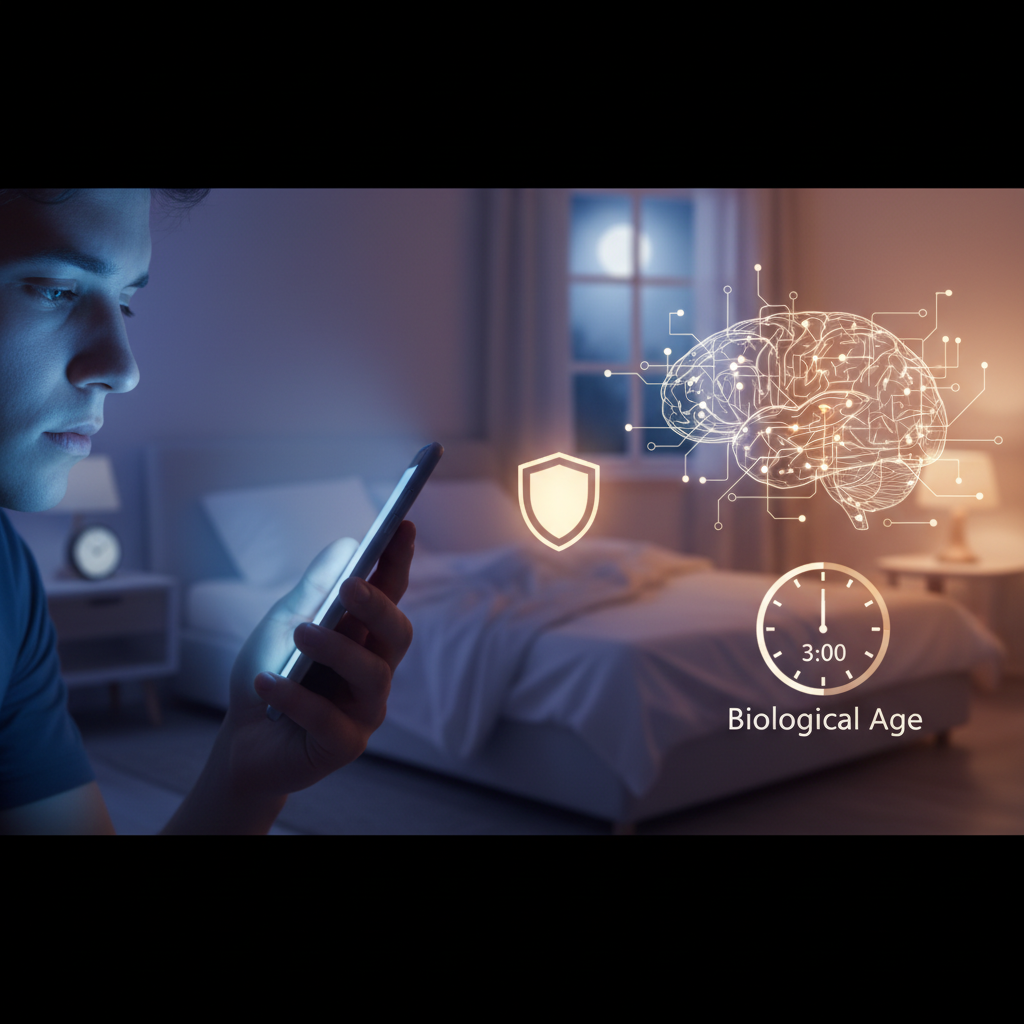
The Hidden Sleep Saboteur: Why Your Evening Phone Habit Is Aging You Faster (And 7 Science-Backed Ways to Fix It)
The Hidden Sleep Saboteur: Why Your Evening Phone Habit Is Aging You Faster (And 7 Science-Backed Ways to Fix It)
You've probably heard that scrolling your phone before bed isn't great for sleep, but here's what might surprise you: that seemingly innocent evening habit could be accelerating your aging process in ways that go far beyond feeling tired the next day. As someone who's spent years translating complex health research into practical advice, I want to share some eye-opening findings about how our evening screen time impacts our cellular health—and more importantly, what we can do about it.
The Science Behind Screen-Induced Aging
Recent research from the University of California San Francisco revealed something startling: people who use screens within two hours of bedtime show measurably shorter telomeres—the protective caps on our chromosomes that serve as biomarkers of cellular aging. When telomeres shorten prematurely, it's associated with faster biological aging and increased risk of age-related diseases.
But the aging effect doesn't stop at the cellular level. Dr. Matthew Walker's groundbreaking sleep research shows that blue light exposure from screens disrupts our natural melatonin production for up to three hours after exposure. This isn't just about falling asleep—it's about the quality of deep sleep that's crucial for cellular repair, memory consolidation, and hormone regulation.
What Happens to Your Body During Screen-Disrupted Sleep
When we disrupt our natural sleep cycles with evening screen time, several aging-accelerating processes kick into gear:
- Increased cortisol production: Poor sleep elevates stress hormones that break down collagen and contribute to inflammation
- Reduced growth hormone release: This critical anti-aging hormone is primarily released during deep sleep phases
- Impaired cellular cleanup: Our brains literally shrink during sleep to allow for toxin removal—a process that's compromised with poor sleep quality
- Weakened immune function: Sleep disruption reduces our ability to fight off cellular damage and infections
The 30-Day Digital Sunset Challenge
After reviewing dozens of studies and working with clients who've successfully transformed their evening routines, I've developed what I call the "Digital Sunset Challenge." It's a gradual, science-backed approach that doesn't require you to go cold turkey on your devices.
Week 1: The Foundation Phase
Goal: Create awareness and establish your baseline.
- Track your current screen time using your phone's built-in tools
- Note how you feel each morning (energy level, mood, skin appearance)
- Begin using blue light filtering glasses after 7 PM
- Set your phone to automatically shift to warmer colors at sunset
Week 2: The Transition Phase
Goal: Gradually reduce evening screen exposure.
- Move your phone charger out of the bedroom
- Create a "phone parking station" in your living room or kitchen
- Replace 15 minutes of evening screen time with a non-digital activity
- Experiment with red-tinted lighting in your bedroom area
Weeks 3-4: The Optimization Phase
Goal: Establish sustainable, age-defying evening habits.
- Implement a complete "digital sunset" 90 minutes before intended bedtime
- Develop a toolkit of engaging non-screen activities
- Fine-tune your sleep environment for optimal restoration
7 Science-Backed Alternatives to Evening Screen Time
The key to breaking any habit is having appealing alternatives ready. Here are evidence-based evening activities that actually support healthy aging:
1. The 10-Minute Journal Practice
Research from UCLA shows that expressive writing reduces cortisol levels and improves sleep quality. Try writing three things you're grateful for and one thing you're looking forward to tomorrow.2. Progressive Muscle Relaxation
A study in the Journal of Health Psychology found that this practice not only improves sleep but also strengthens immune function. Start with your toes and systematically tense and release each muscle group.3. Gentle Yoga or Stretching
Just 10-15 minutes of gentle stretching increases parasympathetic nervous system activity, promoting the "rest and digest" state crucial for cellular repair.4. Reading Fiction (Paper Books Only)
University of Sussex research shows that reading fiction for just six minutes can reduce stress levels by up to 68%—more effective than listening to music or having a cup of tea.5. Aromatherapy and Deep Breathing
Lavender essential oil has been shown in multiple studies to improve sleep quality and duration. Combine with 4-7-8 breathing for maximum effect.6. Preparing for Tomorrow
Laying out clothes, preparing a healthy breakfast, or doing light meal prep creates a sense of control and reduces morning cortisol spikes.7. Connection Activities
Having meaningful conversations with family members or writing a letter to a friend strengthens social bonds, which research consistently links to longer, healthier lives.Creating Your Optimal Sleep Environment
Your bedroom should be a sanctuary for restoration. Here's how to optimize it:
- Temperature: Keep it cool (65-68°F) to support natural temperature drops that trigger sleepiness
- Darkness: Invest in blackout curtains or an eye mask—even small amounts of light can disrupt melatonin production
- Sound: Use earplugs or white noise to mask disruptive sounds
- Air quality: Consider an air purifier or keep plants that release oxygen at night, like snake plants or aloe vera
Measuring Your Success
Track these biomarkers of improvement over 30 days:
- Sleep quality: How refreshed you feel upon waking
- Skin appearance: Improved complexion and reduced under-eye circles
- Energy levels: Sustained energy without afternoon crashes
- Mood stability: Better emotional regulation and stress resilience
- Cognitive function: Improved focus and memory
Key Takeaways: Your Path to Age-Defying Sleep
The evidence is clear: our evening screen habits have profound effects on how we age at the cellular level. But here's the empowering truth—small, consistent changes can dramatically improve your sleep quality and slow the aging process.
Start tonight by moving your phone out of the bedroom and choosing just one alternative activity from the list above. Remember, this isn't about perfection; it's about progress. Your future self will thank you for every evening you choose restoration over stimulation.
The fountain of youth isn't a mythical spring—it's the quality sleep that happens when we give our bodies the darkness and rest they've evolved to need. Sweet dreams, and here's to aging gracefully from the inside out.