
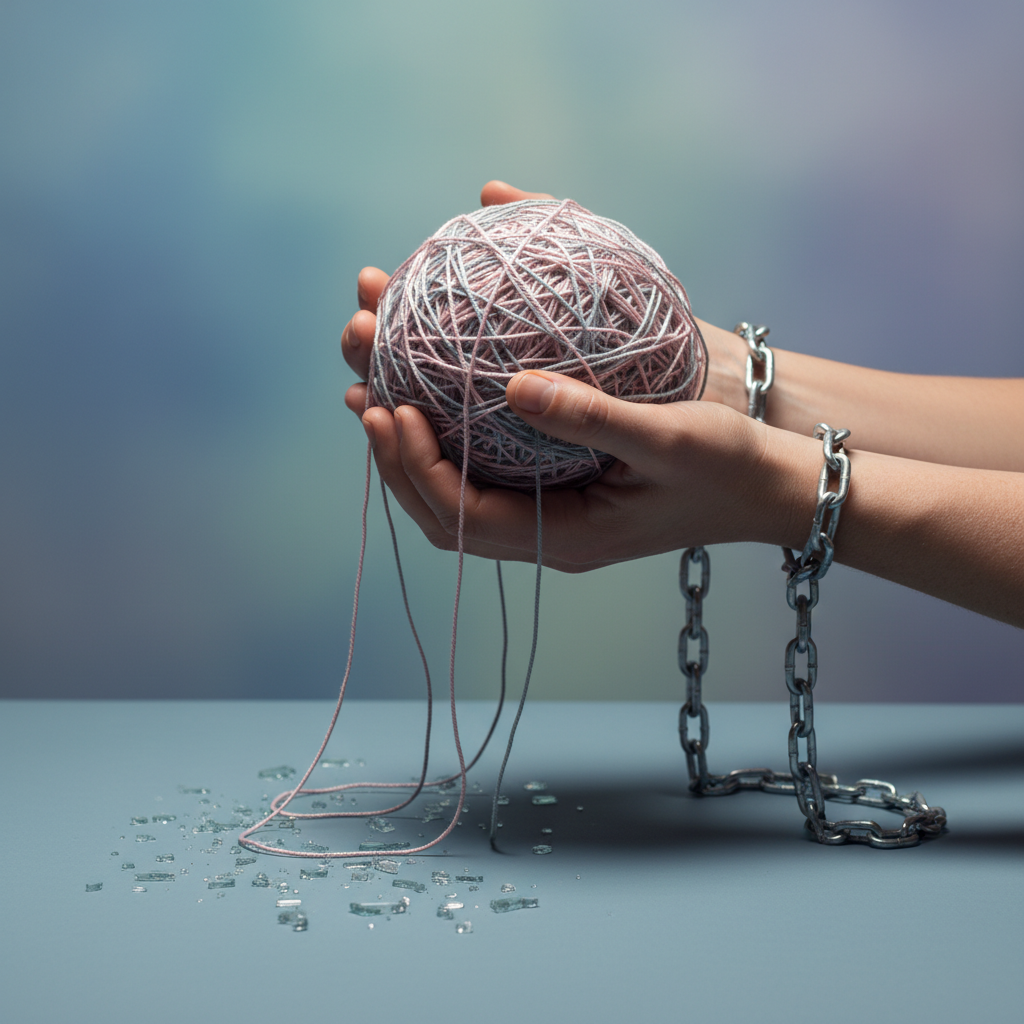
The Hidden Cost of People-Pleasing: How Chronic 'Yes' Syndrome is Sabotaging Your Mental Health
We've all been there—saying yes to another committee, agreeing to work late again, or accepting plans we don't actually want. But what happens when "yes" becomes your default response, even when every fiber of your being screams "no"? Welcome to what I call Chronic 'Yes' Syndrome—a pattern of compulsive agreement that's quietly eroding mental health across all walks of life.
As someone who's spent years helping clients navigate the complexities of emotional wellness, I've witnessed firsthand how the inability to say no becomes a silent destroyer of peace, boundaries, and self-worth. Today, we're going to explore why this happens, what it costs us, and most importantly, how to break free from this exhausting cycle.
Understanding the Psychology Behind Chronic 'Yes' Syndrome
Chronic 'Yes' Syndrome isn't just about being helpful or agreeable—it's a complex psychological pattern rooted in deeper emotional needs and fears. At its core, this syndrome stems from three primary drivers:
Fear of Rejection and Abandonment
Many chronic yes-sayers operate from a deep-seated fear that saying no will result in rejection or loss of relationships. This fear often traces back to early experiences where love felt conditional on compliance or where expressing personal needs led to criticism or withdrawal of affection.
Low Self-Worth and External Validation Seeking
When our sense of value comes primarily from external sources, each "yes" becomes a transaction—trading our time and energy for approval and acceptance. This creates an exhausting cycle where self-worth depends on constant giving and accommodation.
Perfectionism and Control
Surprisingly, chronic people-pleasing often masks perfectionist tendencies. By saying yes to everything, we maintain the illusion of being "good," "reliable," or "indispensable"—identities that feel safer than risking disappointment or conflict.
The Hidden Mental Health Toll
The cost of chronic yes-saying extends far beyond simple overcommitment. Research consistently shows that people-pleasers experience higher rates of:
- Chronic stress and burnout due to overextension and lack of recovery time
- Anxiety disorders stemming from constant worry about others' opinions and reactions
- Depression linked to suppressed authentic self-expression and unmet personal needs
- Resentment and relationship conflicts that build when unexpressed boundaries eventually explode
- Identity confusion as the authentic self becomes buried under layers of accommodation
The Physiology of Perpetual Agreement
When we consistently override our internal "no," we create chronic stress in the nervous system. This state of perpetual accommodation triggers the release of cortisol and other stress hormones, leading to:
- Disrupted sleep patterns
- Compromised immune function
- Digestive issues
- Chronic fatigue
- Heightened emotional reactivity
Breaking Free: The PAUSE Method for Reclaiming Your "No"
Recovering from Chronic 'Yes' Syndrome requires intentional practice and patience with yourself. I've developed the PAUSE method to help clients create space between requests and responses:
P - Pause Before Responding
"Let me check my calendar and get back to you" becomes your new best friend. This simple phrase buys you precious time to connect with your authentic response rather than your automatic people-pleasing reflex.
A - Acknowledge Your Internal Response
Before considering the request logically, tune into your body. Does the request make you feel energized or depleted? Notice physical sensations—tension in your shoulders, heaviness in your chest, or that sinking feeling in your stomach often signal that "no" is your authentic response.
U - Understand Your Motivation
Ask yourself: "Am I considering this because I genuinely want to, or because I'm afraid of disappointing someone?" Distinguish between generous giving and fear-based compliance.
S - Set Your Boundary Clearly
A clear, kind "no" is more respectful than a resentful "yes." Practice phrases like:
- "I appreciate you thinking of me, but I can't commit to this right now."
- "That doesn't align with my current priorities."
- "I'm not available for that, but I hope it goes well."
E - Expect and Navigate Pushback
Some people may react poorly to your newfound boundaries—this is normal and not a sign that you're doing anything wrong. Stay calm, repeat your boundary if necessary, and remember that their reaction is about them, not you.
Rebuilding Your Relationship with Authentic Choice
Start Small and Build Confidence
Begin practicing "no" in low-stakes situations. Decline that extra committee role, skip the networking event you're not excited about, or politely refuse to cover someone's shift when you're already stretched thin.
Develop a Support System
Surround yourself with people who respect your boundaries and encourage your authentic self-expression. Consider working with a therapist who specializes in boundary-setting and people-pleasing patterns.
Practice Self-Compassion
Recovery from Chronic 'Yes' Syndrome is not linear. You'll have setbacks, moments of guilt, and times when you slip back into old patterns. Treat yourself with the same compassion you'd offer a dear friend learning a difficult new skill.
Redefining Kindness and Service
One of the biggest fears people have about setting boundaries is that they'll become selfish or unkind. In reality, the opposite is true. When you say yes from a place of authentic choice rather than compulsion, your giving becomes more meaningful and sustainable.
Healthy boundaries actually enhance your ability to serve others because they prevent resentment, maintain your energy reserves, and ensure that your "yes" truly means yes.
Key Takeaways: Your Path to Authentic Living
Breaking free from Chronic 'Yes' Syndrome is ultimately about reclaiming your right to authentic choice. Remember:
- Every "no" to something that doesn't serve you is a "yes" to something that does
- Boundaries are not walls—they're gates that you control
- Your worth is not determined by your usefulness to others
- Saying no is a skill that improves with practice
- The people who matter will respect your boundaries
As you begin this journey toward more intentional living, be patient with yourself. The patterns that created Chronic 'Yes' Syndrome didn't develop overnight, and healing won't happen instantly either. But with each mindful pause, each authentic "no," and each moment you honor your own needs, you're building a life that truly reflects who you are—not who you think you need to be to earn love and acceptance.