
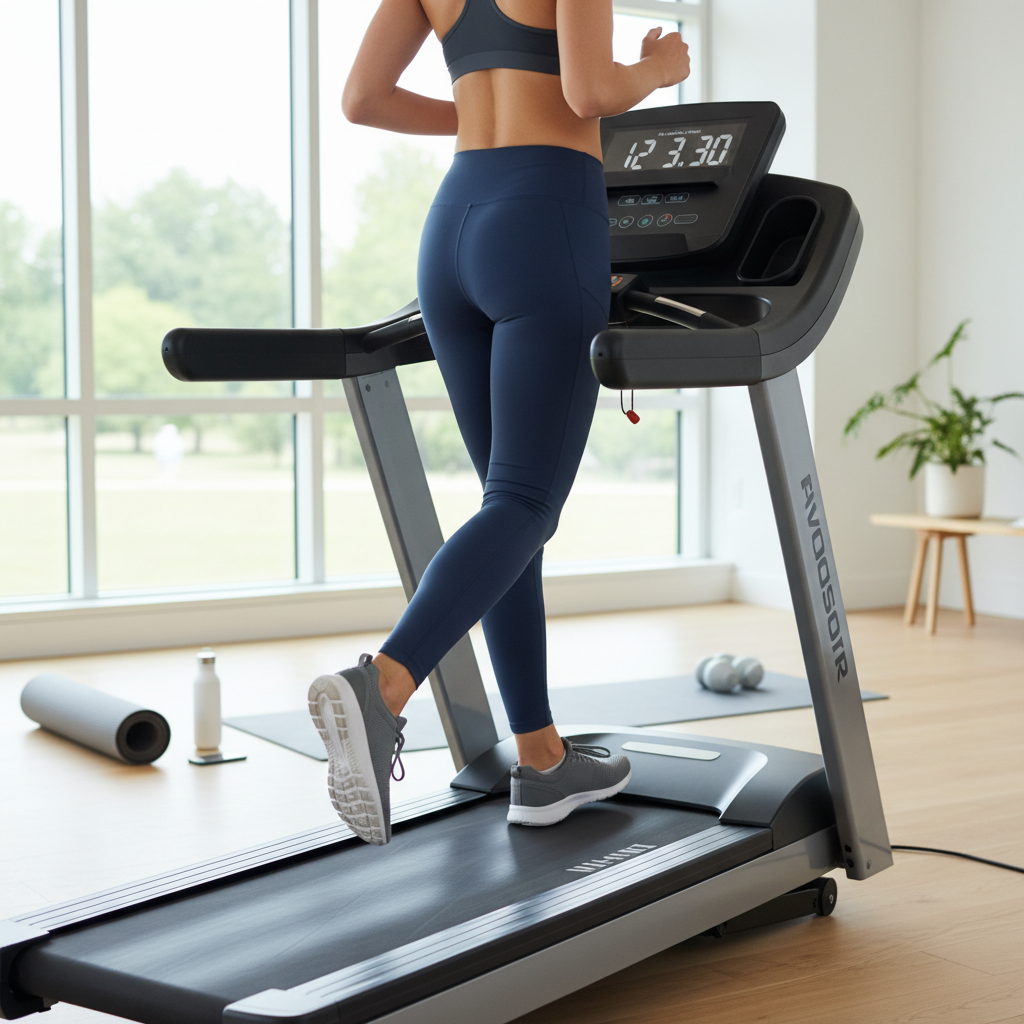
How the 12-3-30 Treadmill Method Builds Sustainable Fitness Without High-Impact Joint Stress
Finding an exercise routine that works for your joints while delivering real fitness results often feels like an impossible balance. Traditional high-intensity workouts can leave knees aching and motivation waning, while gentle activities sometimes feel ineffective. The 12-3-30 method offers a middle path that's transformed how people approach cardiovascular fitness.
This walking-based approach combines specific incline, speed, and duration parameters to create an effective workout that protects your joints. The method gained widespread attention through social media, but its effectiveness stems from solid exercise science principles that make it accessible for various fitness levels.
Start With the Basic Formula and Build Gradually
The 12-3-30 method involves walking at 3 miles per hour on a 12% incline for 30 minutes. This combination creates significant cardiovascular challenge without requiring running or jumping. Start with shorter durations or lower inclines if you're new to exercise, gradually working up to the full parameters over several weeks. Many people find they can comfortably hold conversations during this workout, which indicates you're working in an optimal fat-burning zone. The key lies in consistency rather than perfection, so focus on establishing the routine before worrying about hitting exact numbers.
Focus on Proper Treadmill Setup for Maximum Safety
Proper positioning prevents injury and maximizes effectiveness during your 12-3-30 sessions. Keep your hands lightly touching the handrails for balance rather than gripping tightly, which can create unnatural posture and reduce the workout's intensity. Your stride should remain natural and comfortable, avoiding the temptation to take unnaturally long steps because of the incline. Position yourself in the center of the treadmill belt, maintaining upright posture with a slight forward lean that matches the incline. Popular treadmill brands like NordicTrack and ProForm offer stable platforms ideal for incline walking, though most commercial gym equipment works perfectly for this method.
Use Heart Rate Monitoring to Optimize Your Effort
Tracking your heart rate during 12-3-30 sessions helps ensure you're working in the right intensity zone for your goals. Aim for 60-70% of your maximum heart rate, which typically feels moderately challenging but sustainable. Fitness trackers like Fitbit or Apple Watch provide convenient monitoring, though the built-in sensors on many treadmills work equally well. You should be able to maintain steady breathing patterns throughout the workout, perhaps breathing slightly harder than normal but never gasping. This moderate intensity maximizes fat burning while building cardiovascular endurance without overwhelming your recovery systems.
Build Your Weekly Schedule Around Consistency
Successful 12-3-30 implementation depends more on regular sessions than perfect execution. Start with three sessions per week, allowing at least one rest day between workouts initially. As your fitness improves, you can increase frequency to four or five sessions weekly, though daily walking isn't necessary for most people. Schedule your sessions at consistent times when possible, as routine timing helps establish lasting habits. Many practitioners find morning sessions work well because they're less likely to be disrupted by daily obligations, while others prefer evening walks as stress-relieving transitions from work to personal time.
Combine With Strength Training for Complete Fitness
While 12-3-30 provides excellent cardiovascular benefits, adding basic strength exercises creates a more comprehensive fitness routine. Simple bodyweight exercises like squats, lunges, and planks complement the walking sessions perfectly. Schedule strength training on alternate days from your treadmill sessions, or add 10-15 minutes of resistance work after completing your walk. Focus on movements that strengthen your glutes, core, and leg muscles, which support better walking mechanics and overall joint health. This combination approach prevents the muscle imbalances that can develop from focusing solely on cardiovascular exercise.
Track Progress Through Multiple Metrics
Measuring success in 12-3-30 goes beyond just completing each session. Monitor how you feel during and after workouts, noting improvements in breathing, energy levels, and recovery time. Track metrics like resting heart rate, sleep quality, and daily energy levels, which often improve before visible physical changes occur. Take progress photos and measurements monthly rather than relying solely on scale weight, as body composition changes can be significant even when weight remains stable. Many people find their endurance for daily activities like climbing stairs improves noticeably within the first month of consistent practice.
Prevent Plateaus With Strategic Variations
Once the standard 12-3-30 becomes comfortable, introduce small variations to continue progressing. Alternate between the standard workout and slight modifications like 10-3.2-35 or 14-2.8-30 to challenge different energy systems. Add interval elements occasionally by varying the incline every few minutes within a single session. Consider outdoor hiking as a natural progression that applies your improved fitness to varied terrain. Some practitioners enjoy backwards walking intervals at lower inclines and speeds, which engages different muscle groups while maintaining the low-impact benefits.
Listen to Your Body's Recovery Signals
Sustainable fitness requires balancing challenge with adequate recovery, especially when starting a new routine. Pay attention to joint discomfort, unusual fatigue, or declining performance, which may indicate you need additional rest days. Quality sleep becomes even more important when exercising regularly, as this is when your body adapts and strengthens. Stay hydrated throughout the day, not just during exercise, and consider the timing of your sessions relative to meals and other daily stressors. Remember that some days will feel easier than others, and that's completely normal as your body adapts to increased activity levels.
The 12-3-30 method continues gaining popularity because it delivers results without requiring complex equipment or advanced fitness knowledge. As more people discover the benefits of sustainable, joint-friendly exercise, walking-based workouts are likely to become even more mainstream, offering an accessible path to improved health for people of all ages and fitness backgrounds.