
How the 3-2-1 Evening Wind-Down Method Creates Better Sleep Without Screen Time Restrictions
Sleep experts consistently find that the most effective evening routines focus on progressive relaxation rather than strict digital detox rules. The 3-2-1 method divides your pre-sleep hours into manageable zones that naturally prepare your mind and body for rest without forcing you to abandon screens entirely.
This approach acknowledges that screens aren't inherently evil—it's what you do with them and when that matters. Instead of fighting technology, you can work with your natural circadian rhythms while maintaining some flexibility in your evening schedule.
Create Physical Closure Three Hours Before Bed
The "3" phase focuses on winding down physical intensity. Stop consuming caffeine, finish eating substantial meals, and avoid vigorous exercise during this window. Your core body temperature naturally drops in preparation for sleep, and intense physical activity disrupts this cooling process. Light stretching or gentle yoga poses work well during this time. Apps like Headspace offer specific evening yoga sequences that complement this phase perfectly. Your digestive system also needs time to process food without interfering with sleep quality.
Shift to Calming Mental Activities Two Hours Before Sleep
Two hours before bedtime marks your transition into the "2" phase, where mental stimulation should become gentler. Switch from work emails and stressful news to more relaxing content. You can still use devices, but choose mindful activities like listening to podcasts, reading e-books with warm light settings, or watching calm documentaries. Netflix categories like "Slow TV" or nature documentaries work better than action movies or intense dramas. Your brain starts producing melatonin during this window, so supporting rather than fighting this natural process makes falling asleep easier.
Eliminate All Stimulating Input One Hour Before Bed
The final "1" phase requires putting away anything that creates mental arousal or bright light exposure. This includes work discussions, exciting books, stimulating social media feeds, and blue light from screens. Instead, focus on activities that require minimal cognitive effort: gentle music, meditation apps like Calm, journaling with pen and paper, or simple breathing exercises. Your bedroom environment should also support this transition—dim lighting, comfortable temperature, and minimal noise. Some people find white noise machines or earplugs helpful during this critical hour.
Design Your Personal Wind-Down Ritual Sequence
Customize the 3-2-1 framework around your specific schedule and preferences. If you sleep at 11 PM, your phases begin at 8 PM, 9 PM, and 10 PM respectively. Early risers might start their sequence at 7 PM for a 10 PM bedtime. The key lies in consistency—your brain learns to anticipate sleep when you follow the same pattern nightly. Experiment with different activities within each phase until you find combinations that feel natural. Some people prefer baths during the "2" phase, while others find reading more effective.
Handle Screen Time Strategically Rather Than Eliminating It
Modern life rarely allows complete screen elimination, and the 3-2-1 method accommodates this reality. During the "3" phase, use screens normally but avoid highly stimulating content. The "2" phase permits gentler screen activities with night mode enabled. Only the final "1" phase requires complete digital disconnection. iPhone's Night Shift and Android's blue light filters help during earlier phases. Consider using Kindle Paperwhite or similar e-readers instead of tablets for evening reading—they produce less blue light while still allowing digital convenience.
Create Environmental Cues That Support Each Phase
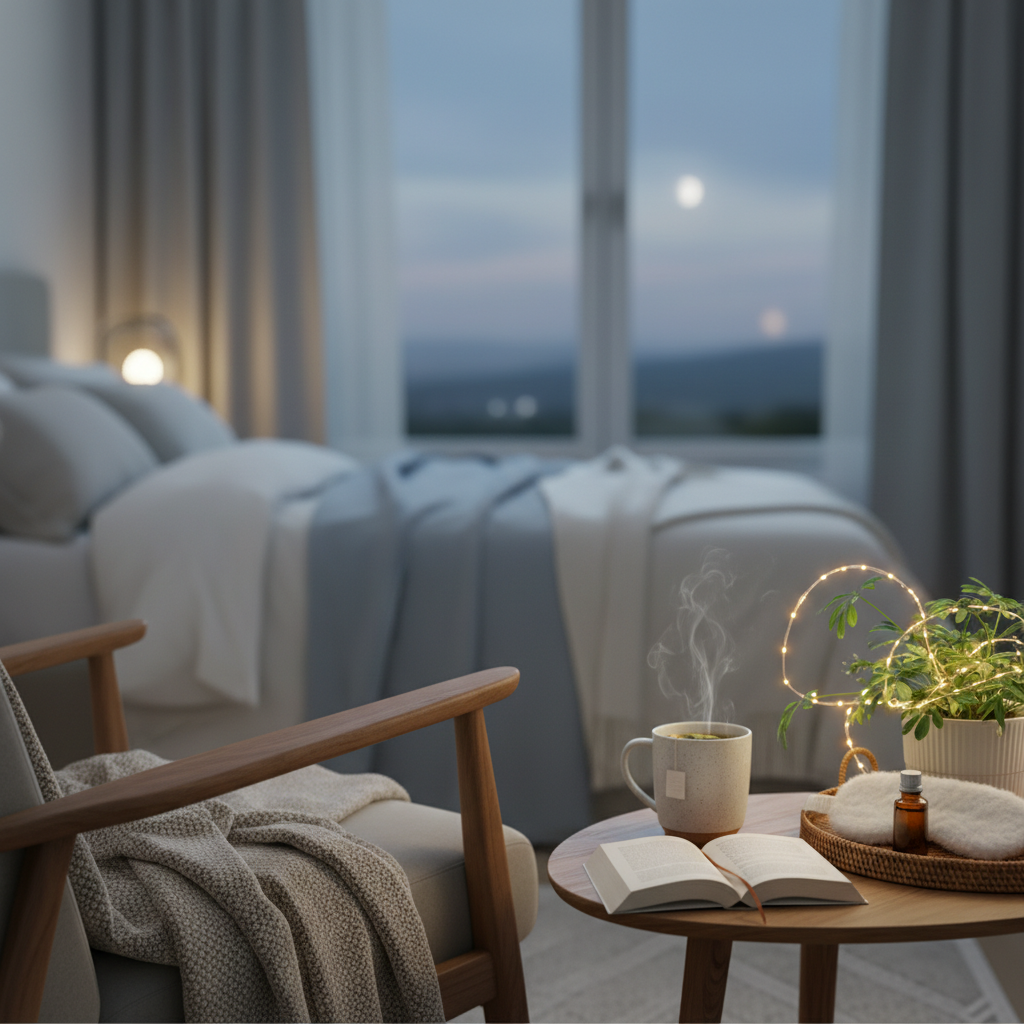
Your surroundings should signal which phase you're entering. Dim overhead lights during the "3" phase, switch to table lamps during the "2" phase, and use only soft bedside lighting during the final hour. Temperature control matters too—start cooling your bedroom during the "2" phase so it reaches optimal sleeping temperature by bedtime. Aromatherapy diffusers with lavender or chamomile can provide olfactory cues that reinforce your wind-down progression. These environmental changes help your brain recognize bedtime approaching even before you consciously think about sleep.
Troubleshoot Common Implementation Challenges
Social obligations and varying schedules can disrupt the 3-2-1 pattern, but flexibility prevents abandonment of the entire system. If you're out late, compress the phases into shorter time periods rather than skipping them entirely. A 2-1-30 minute version still provides structure when full implementation isn't possible. Travel across time zones requires adjusting your phases to match your destination's schedule gradually. When shift work or family responsibilities interfere, maintain the progressive relaxation principle even if timing changes. The method's effectiveness comes from the pattern, not rigid adherence to exact timeframes.
Track Your Sleep Quality Improvements Over Time
Monitoring sleep improvements helps maintain motivation when establishing new routines. Sleep tracking apps like Sleep Cycle or wearable devices from Fitbit provide objective feedback about sleep quality changes. Notice patterns in how different evening activities affect your sleep metrics. Some people find journaling more effective than others, while different types of gentle music work better for different individuals. Keep notes about which phase-specific activities leave you feeling most rested the following morning. This personalized data helps you refine your 3-2-1 approach for maximum effectiveness.
Implementing the 3-2-1 method transforms evening chaos into intentional preparation for restorative sleep. Rather than fighting against technology or forcing dramatic lifestyle changes, this system works with your natural rhythms while accommodating modern demands. Most people notice improved sleep quality within a week of consistent practice, with deeper rest and easier morning wake-ups becoming the new normal.