How Regional Train Day Passes Save Money on Multi-Stop European City Exploration Compared to Individual Tickets
Regional train day passes represent one of Europe's best-kept travel secrets, often cutting transportation costs by half compared to individual tickets when visiting multiple destinations in a single day. These passes unlock unlimited travel within specific regions, turning expensive point-to-point journeys into affordable adventures across charming towns, historic cities, and scenic countryside.
The math becomes compelling quickly when you're planning to visit three or more stops in regions like Bavaria, Tuscany, or the Rhine Valley. A typical individual train ticket between German cities might cost 15-25 euros, while a Bavaria day pass covers unlimited regional travel for around 25 euros. The savings multiply as your itinerary expands, making spontaneous detours financially feasible rather than budget-breaking decisions.
Calculate Your Break-Even Point Before Purchasing
Most regional day passes pay for themselves after two to three individual journeys, depending on the distance and region. Research the standard ticket prices between your planned destinations using official railway websites like DB Navigator for Germany or Trainline for broader European coverage. Write down the individual costs, then compare against the day pass price to determine potential savings. This quick calculation often reveals savings of 30-50% on multi-stop itineraries, especially in countries like Germany, Austria, and Switzerland where regional passes offer exceptional value.
Choose Passes That Match Your Geographic Scope
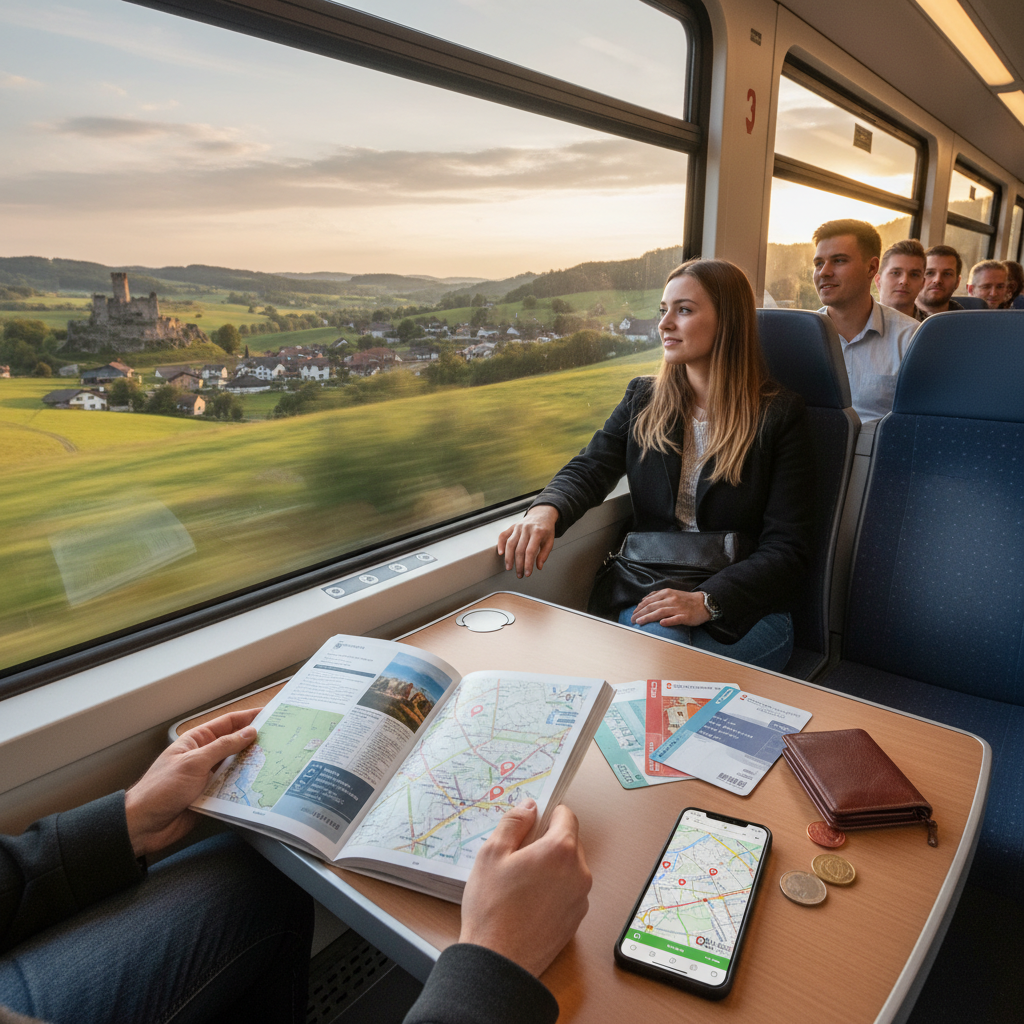
Regional passes work best when your destinations cluster within specific administrative boundaries or transport zones. The Baden-Württemberg ticket covers southwestern Germany including Stuttgart and the Black Forest, while Tuscany's regional pass connects Florence, Siena, and coastal towns. Avoid passes that cover areas far beyond your planned route, as you'll pay for coverage you won't use. Study the pass coverage maps carefully, ensuring your intended destinations fall within the valid zones before purchasing.
Time Your Travel During Off-Peak Hours
Many regional day passes restrict usage during morning rush hours, typically between 6-9 AM on weekdays, to reduce crowding on commuter routes. Plan your departure after 9 AM to ensure pass validity and enjoy less crowded trains. This timing often works perfectly for day trips, allowing you to arrive at your first destination mid-morning when attractions open and tourist crowds remain manageable. Weekend passes usually have no time restrictions, making them ideal for flexible Saturday or Sunday explorations.
Combine Passes with Local Transportation Access
Several regional passes include local bus, tram, and subway access within covered cities, eliminating additional transportation costs once you arrive. The Bayern-Ticket includes Munich's extensive S-Bahn network, while many Swiss regional passes cover local postal bus routes connecting smaller mountain villages. Check pass benefits carefully, as this added local transport can save another 5-15 euros per city in urban transportation costs. Some passes also offer discounts on cable cars, boat trips, or attraction entries.
Book Group Passes for Additional Family Savings
Regional day passes often include group pricing for families or small travel parties, with additional passengers added at minimal cost. The standard German Länder tickets allow up to five people to travel together for just a few euros per additional person beyond the base price. This group structure makes regional passes extremely economical for couples, families, or friend groups exploring together. Children under certain ages typically travel free, further improving the value proposition for family adventures.
Plan Buffer Time for Regional Train Schedules
Regional trains operate on more relaxed schedules than high-speed intercity services, with departures every 30-60 minutes rather than every 15 minutes. Build extra time into your itinerary to accommodate these less frequent departures and potential connections. Download offline train schedule apps or photograph timetables at stations, as regional routes sometimes experience delays or schedule changes. This relaxed pace often enhances the journey experience, allowing you to enjoy countryside views and smaller station atmospheres.
Consider Seasonal Pass Promotions and Special Offers
Railway companies frequently offer promotional pricing on regional passes during shoulder seasons or special events. Summer tourist passes might include additional benefits like free museum entries or restaurant discounts, while winter passes could offer ski resort connections. Subscribe to railway newsletters or follow social media accounts for advance notice of special promotions. Some passes offer better value during specific months when tourist demand is lower but weather remains favorable for exploration.
Use Passes for Spontaneous Route Changes
The unlimited travel nature of day passes transforms rigid itineraries into flexible adventures. If you discover an interesting town mentioned by fellow travelers or spot appealing countryside from the train window, you can spontaneously change plans without financial penalty. This flexibility often leads to unexpected discoveries and memorable experiences that fixed-ticket itineraries wouldn't allow. Keep destination options open and let curiosity guide your route adjustments throughout the day.
Regional train day passes continue gaining popularity as European railway systems modernize booking platforms and expand pass benefits. Many regions are adding digital pass options and real-time travel information, making these cost-effective exploration tools even more user-friendly for international visitors seeking authentic, affordable adventures.