How Store Layout Psychology Uses Color, Scent, and Music to Guide Your Shopping Decisions
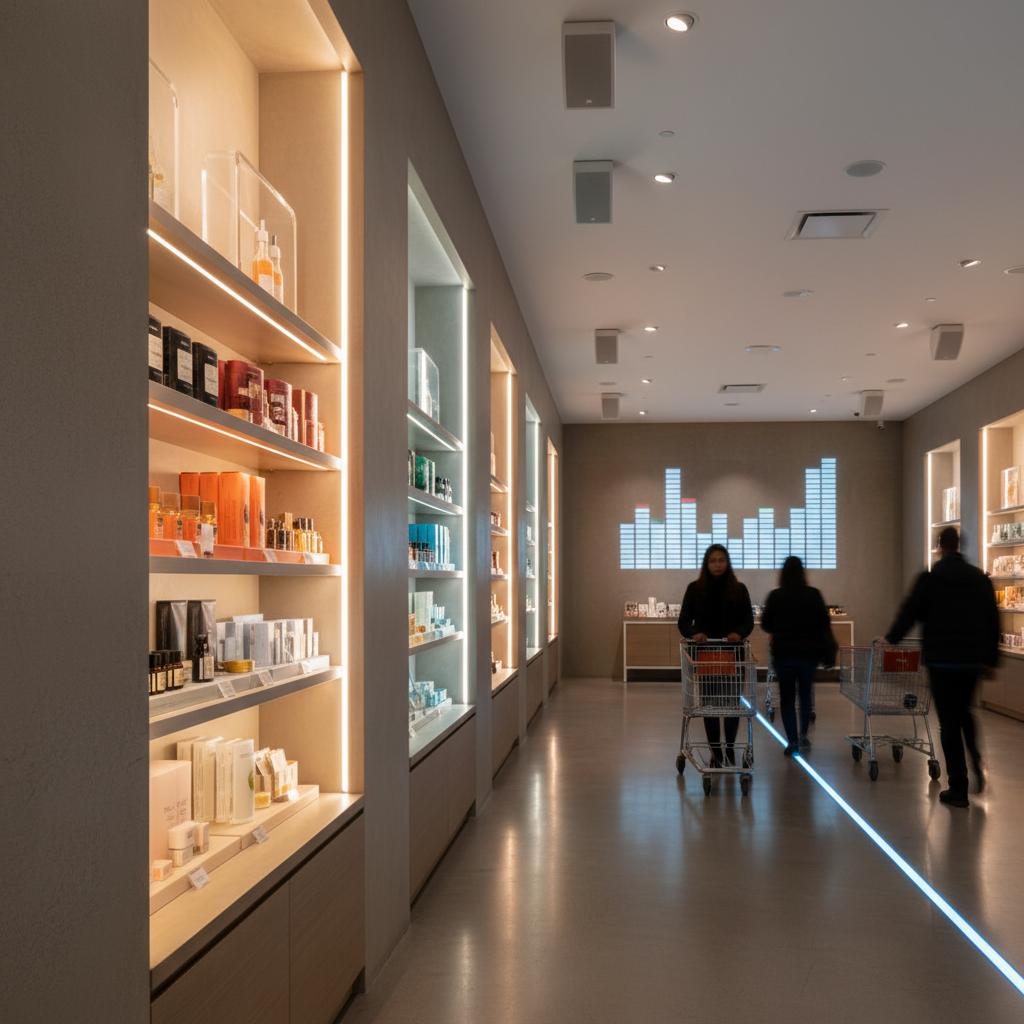
Walking into a well-designed retail store triggers an immediate sensory response that most shoppers never consciously notice. The soft overhead lighting creates a warm ambiance, background music plays at just the right volume to feel inviting but not intrusive, and subtle fragrances drift through strategically placed ventilation systems. These elements work together in a carefully orchestrated symphony designed to influence purchasing behavior, extend shopping time, and increase the likelihood of impulse purchases. Retailers invest heavily in environmental psychology research to create shopping experiences that feel natural and comfortable while systematically guiding customers toward specific buying decisions. The most successful stores understand that shopping is an emotional experience as much as a practical one, and they leverage this knowledge to create environments that encourage spending.
Why Red Sale Tags and Warm Lighting Create Shopping Urgency
Color psychology plays a fundamental role in how stores guide customer behavior throughout different sections and product categories. Red creates a sense of urgency and excitement, which explains why clearance tags, sale signs, and limited-time offers consistently use this attention-grabbing hue. Target has built its entire brand identity around red, associating the color with value and immediate action in customers' minds. Conversely, luxury retailers like Tiffany & Co. use calming blues and soft whites to create feelings of trust, exclusivity, and timeless quality. Warm lighting enhances these color effects by making products appear more appealing and customers feel more relaxed, leading to longer browsing sessions and higher purchase rates. Cool fluorescent lighting, on the other hand, encourages quick decision-making and faster turnover, which is why grocery stores and pharmacies often use this type of illumination.
The strategic placement of colors extends beyond signage to influence traffic flow and product positioning within stores. Bright, energetic colors like orange and yellow are often used near entrances to create excitement and draw customers deeper into the space. Earth tones and muted colors appear in areas where retailers want customers to slow down and carefully consider higher-priced items. Even the color of shopping carts and baskets influences spending behavior, with larger, darker-colored carts encouraging customers to fill them more completely than smaller, brightly colored alternatives.
How Vanilla and Citrus Scents Trigger Different Spending Behaviors
Scent marketing represents one of the most powerful yet subtle tools in retail psychology, directly connecting to the brain's limbic system where emotions and memories are processed. Bakeries pump the aroma of fresh bread and pastries through their ventilation systems, creating an irresistible sensory experience that increases appetite and purchase likelihood. Clothing retailers like Abercrombie & Fitch have become famous for their signature scents, using distinctive fragrances to create brand recognition and emotional connections with customers. Vanilla scents tend to make shoppers feel relaxed and comfortable, encouraging them to spend more time browsing and trying on items. Citrus fragrances create energy and alertness, making them ideal for electronics stores and areas where retailers want customers to make quick, confident decisions.
Different scent families trigger various psychological responses that retailers can leverage based on their specific goals and target demographics. Floral scents appeal to emotions and nostalgia, making them popular in gift shops and specialty boutiques targeting female customers. Clean, fresh scents like eucalyptus or mint create associations with health and cleanliness, which is why they're commonly used in pharmacies, health food stores, and athletic retailers like Lululemon. The intensity and timing of scent distribution also matter significantly, with subtle fragrances working better than overwhelming ones that might drive customers away.
What Tempo and Genre Psychology Reveals About Shopping Speed
Music serves as an invisible guide that controls the pace of shopping and influences how much time customers spend in stores. Slow-tempo music encourages leisurely browsing and has been shown to increase sales in environments where retailers want customers to examine products carefully and make considered purchases. Fast-paced music creates energy and urgency, speeding up customer movement and decision-making processes, which works well for quick-service restaurants and stores focused on high turnover. Classical music creates associations with sophistication and quality, making customers more willing to pay premium prices for luxury items or fine wines.
The volume and style of background music also affects customer behavior in measurable ways that savvy retailers use to their advantage. Louder music tends to appeal to younger demographics and creates excitement around trendy products, while softer music attracts older customers and encourages careful consideration of purchases. Familiar songs create comfort and positive emotions, while unfamiliar instrumental music keeps customers focused on products rather than singing along or becoming distracted. Some stores even adjust their music selection based on time of day, weather conditions, and seasonal shopping patterns to maximize their psychological impact.
How Strategic Product Placement Exploits Natural Shopping Patterns
Store layout design takes advantage of predictable human movement patterns and visual tendencies to maximize exposure to high-margin products and impulse purchases. Most customers naturally turn right when entering a store, so retailers place their most attractive or profitable items in this prime real estate area. End caps at the ends of aisles receive disproportionate attention from shoppers, making them valuable space for seasonal promotions, new product launches, and items with higher profit margins. Eye-level placement commands premium pricing from suppliers because products positioned at adult eye level sell significantly better than those requiring customers to bend down or reach up.
The strategic use of wide and narrow aisles influences shopping behavior by controlling traffic flow and creating different psychological experiences throughout the store. Wide aisles near entrances make customers feel welcome and comfortable, encouraging them to enter and begin browsing. Narrower aisles in certain sections create intimacy and focus attention on specific product categories, while also slowing down customer movement to increase examination time. Checkout areas represent the final opportunity to encourage additional purchases, which is why they're packed with small, inexpensive items that customers can grab impulsively while waiting in line.
Understanding these psychological tactics helps shoppers make more intentional purchasing decisions and resist manipulation designed to encourage unnecessary spending. When you recognize that stores are carefully engineered environments designed to influence your behavior, you can approach shopping with greater awareness and control. Make shopping lists before entering stores, set specific budgets for different categories, and take breaks to step outside if you feel overwhelmed by sensory stimulation. Pay attention to how different store environments make you feel and adjust your shopping strategies accordingly, whether that means wearing headphones, avoiding certain sections, or shopping during less busy times when psychological pressures feel less intense.
The next time you walk into a beautifully designed store and feel immediately drawn to browse and purchase, remember that every element of that environment has been carefully crafted to create exactly that response, and armed with this knowledge, you can shop more strategically while still enjoying the experience.