How Black Friday Price History Tools Reveal When 'Deals' Are Actually Marked Up From Artificially Inflated Prices
Shoppers crowd around displays showing massive price reductions, convinced they're securing genuine savings during Black Friday sales events. Behind these dramatic markdowns lies a sophisticated pricing strategy where retailers systematically inflate prices weeks before major sales, creating artificial baselines that make modest discounts appear spectacular. Price history tracking tools have exposed this widespread practice, revealing how "50% off" stickers often mask prices that barely differ from typical summer rates.
What Do Price History Tools Actually Track?
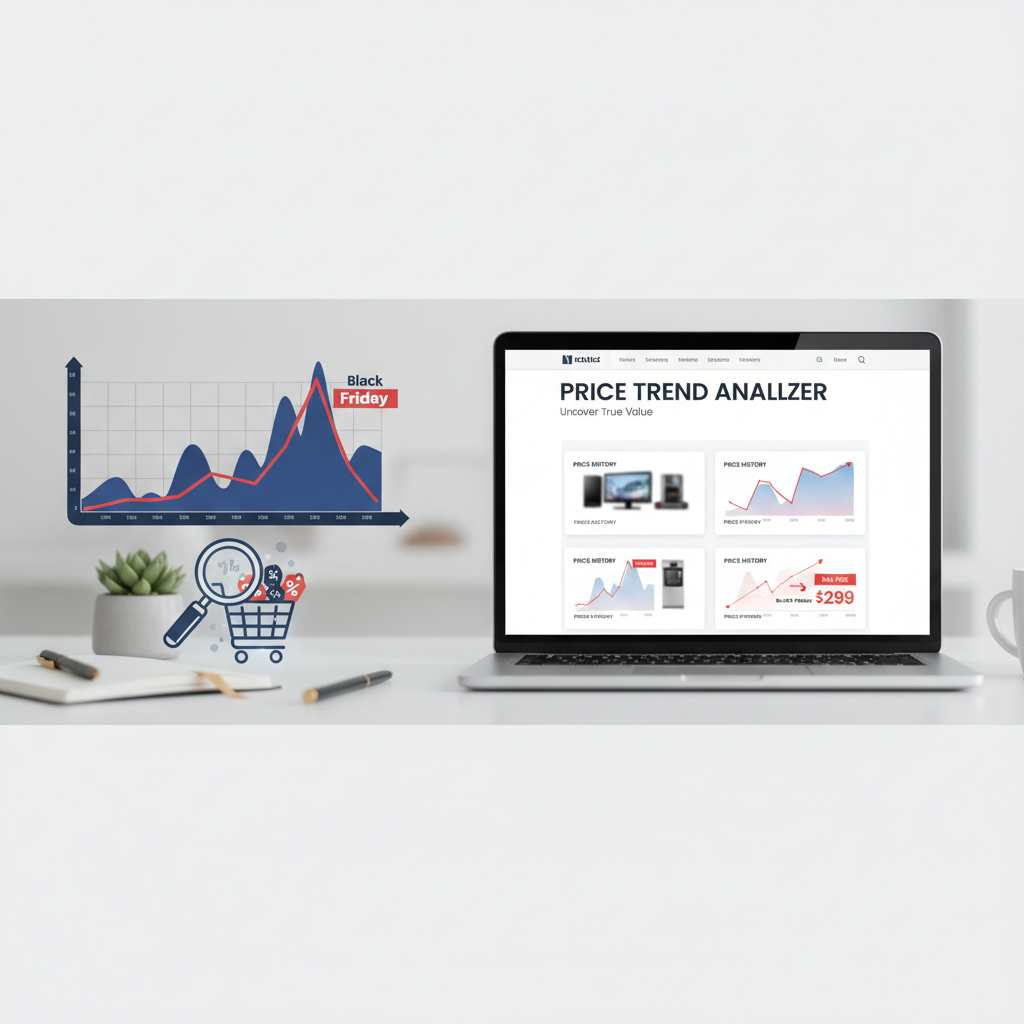
Price tracking platforms like CamelCamelCamel, Keepa, and Honey maintain comprehensive databases of product pricing across major retailers throughout the year. These services automatically record price changes every few hours, creating detailed graphs that show true pricing patterns over weeks, months, and years. The data reveals dramatic price spikes occurring precisely 30-45 days before Black Friday, followed by reductions that retailers market as exceptional deals. Amazon's pricing fluctuations prove particularly revealing, with some electronics showing artificial increases of 20-40% in October before returning to normal prices with "Black Friday savings" labels.
How Do Retailers Time Price Increases Before Major Sales?
Major retailers coordinate price increases using sophisticated algorithms that track consumer attention and shopping patterns leading up to holiday sales. Target, Walmart, and Best Buy typically begin inflating prices on popular items during late September and early October, establishing higher reference points for November markdowns. This strategy exploits the psychological principle of anchoring, where consumers judge deal quality based on recently observed prices rather than historical averages. The timing varies by product category, with electronics seeing earlier increases than clothing, while seasonal items like holiday decorations experience the most dramatic artificial inflation.
Why Don't Regular Sales Triggers Work During Black Friday Season?
Traditional deal-hunting strategies become unreliable during Black Friday periods because retailers suspend normal pricing patterns and promotional cycles. Browser extensions that typically alert users to price drops often fail to recognize artificially inflated baseline prices, generating false positive deal notifications. Coupon stacking opportunities diminish significantly as retailers reduce manufacturer incentives and limit promotional code compatibility during major sales events. Price matching policies also become restrictive, with stores adding exclusions for Black Friday merchandise and limited-time offers that prevent consumers from leveraging competitive pricing.
Which Product Categories Show the Most Price Manipulation?
Electronics, particularly televisions and gaming consoles, demonstrate the most egregious examples of artificial price inflation before Black Friday sales events. Home appliances like vacuum cleaners and kitchen equipment show consistent patterns of 25-35% price increases followed by marketed discounts that barely reach previous normal pricing levels. Fashion retailers employ different tactics, introducing "special Black Friday collections" with inflated MSRPs that exist solely to create impressive percentage discounts on lower-quality merchandise. Sporting goods and outdoor equipment categories show surprising price stability, making them potentially better Black Friday investment categories than heavily manipulated electronics.
How Can You Use Price History Data to Find Genuine Deals?
Start monitoring prices for desired items during summer months to establish true baseline costs before fall price manipulation begins. Install browser extensions like InvisibleHand or Honey that display price history graphs directly on product pages, allowing instant comparison with historical pricing data. Set price alerts through CamelCamelCamel or Keepa for target prices based on 12-month averages rather than current inflated prices. Focus your Black Friday shopping on items that show consistent pricing throughout October, as these products typically offer genuine discounts rather than manipulated markdowns.
Check pricing patterns across multiple retailers simultaneously, since coordinated price increases often affect entire product categories rather than individual stores. Compare Black Friday prices against post-holiday clearance events, which frequently offer better genuine discounts on identical merchandise without artificial markup schemes.
Price transparency tools will likely become more sophisticated as consumer awareness grows, potentially forcing retailers to adopt more honest pricing strategies. Advanced AI-powered shopping assistants may soon provide real-time manipulation detection, helping shoppers distinguish between genuine bargains and cleverly disguised regular pricing.