How the 8-8-8 Time Blocking Method Prevents Workday Expansion and Protects Personal Time
Your work hours keep creeping later into the evening, despite your best intentions to maintain balance. Email notifications ping during dinner, project deadlines stretch your schedule thin, and before you know it, personal time has virtually disappeared. The boundary between professional and personal life has become increasingly blurred, leaving many feeling perpetually "on" without clear transitions between work and rest.
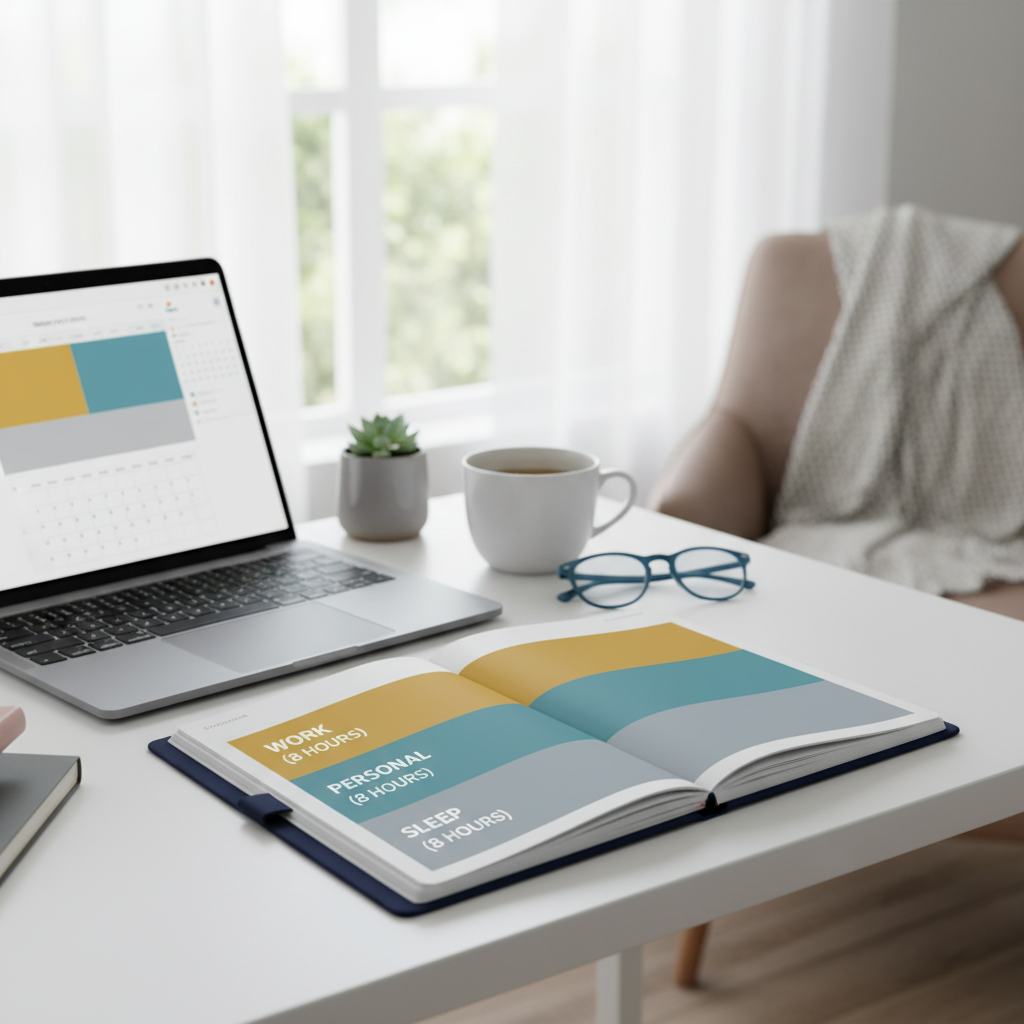
The 8-8-8 time blocking method offers a structured approach to reclaiming control over your daily schedule. This framework divides each 24-hour period into three distinct eight-hour blocks: work, personal life, and sleep. Unlike flexible scheduling approaches that can gradually erode boundaries, this method creates firm containers for different life activities, preventing any single area from overwhelming the others.
Establish Clear Start and End Times for Work Blocks
Defining precise work boundaries requires choosing specific start and end times that remain consistent daily. Whether you begin at 8 AM and finish at 4 PM or work from 10 AM to 6 PM, the key lies in treating these times as non-negotiable appointments with yourself. Set multiple alarms or calendar reminders to reinforce these transitions, and communicate your schedule clearly to colleagues and clients. When your workday officially ends, close your laptop, shut down applications, and physically step away from your workspace. This deliberate action signals to your brain that work time has concluded, making it easier to mentally transition into personal time.
Create Physical Separation Between Work and Personal Spaces
Physical environment plays a crucial role in maintaining mental boundaries between work and personal time. Designate specific areas of your home exclusively for work activities, even if space is limited. Companies like IKEA and West Elm offer compact desk solutions that can be closed or folded away when work ends. If you're using a shared space like a kitchen table, establish a ritual of completely clearing work materials at day's end. Store laptops, documents, and work supplies in a designated container or drawer that gets closed when your eight-hour work block concludes.
Build Transition Rituals Between Time Blocks
Smooth transitions between eight-hour blocks require intentional bridge activities that help your mind shift gears. Develop a five to ten-minute ritual that marks the end of work and beginning of personal time. This might include changing clothes, taking a short walk around the block, or doing light stretching exercises. Apps like Headspace or Calm offer specific transition meditations designed for this purpose. The key is consistency – performing the same sequence of activities trains your brain to recognize when one block ends and another begins, making the mental shift more automatic over time.
Protect Personal Time from Work Intrusions
Safeguarding your eight-hour personal block requires proactive measures to prevent work from bleeding through. Turn off work-related notifications on your phone, or use focus modes that block professional apps and email during personal hours. Establish clear communication protocols with colleagues about when you're available for urgent matters versus routine questions. Many smartphones now offer scheduling features that automatically send replies explaining your availability. If you must check messages during personal time, set specific windows like 7 PM for fifteen minutes rather than constantly monitoring throughout the evening.
Optimize Your Sleep Block for Maximum Recovery
Treating sleep as an equally important eight-hour block means protecting it with the same vigor as work time. Calculate backward from your desired wake time to determine when you need to begin your pre-sleep routine. Companies like Casper and Purple have developed sleep tracking apps that help identify optimal bedtimes based on your natural rhythms. Create a wind-down routine that begins thirty to sixty minutes before sleep, including activities like reading, gentle stretching, or meditation. Keep bedrooms cool, dark, and free from work-related materials to reinforce the separation between rest and productivity.
Schedule High-Energy Activities During Peak Personal Hours
Maximizing your eight-hour personal block requires strategic scheduling of important activities when your energy levels are highest. Many people experience an energy boost immediately after work ends, making this ideal time for exercise, creative projects, or social activities. Plan demanding personal tasks like meal prep, home organization, or learning new skills during these peak hours rather than saving them for late evening when fatigue sets in. This approach ensures you're fully present for meaningful activities rather than simply collapsing after work each day.
Use Technology Tools to Maintain Block Boundaries
Leveraging technology can reinforce your 8-8-8 structure through automated systems that support your boundaries. Calendar apps like Google Calendar or Outlook allow you to color-code different blocks and set automatic decline rules for meetings outside work hours. Time-tracking applications such as RescueTime or Toggl help monitor whether you're actually sticking to your eight-hour work block or unconsciously extending it. Set up separate user profiles on shared devices, ensuring work applications and personal entertainment remain distinct and don't bleed into each other's designated time blocks.
Adjust Blocks Gradually to Avoid Overwhelming Changes
Implementing the 8-8-8 method successfully requires gradual adjustments rather than dramatic overnight changes. Start by focusing on just one boundary – perhaps establishing a firm work end time – and maintain this for a full week before adding other elements. If you're currently working ten-hour days, reduce by thirty minutes each week until you reach the eight-hour target. This progressive approach allows your work habits, family expectations, and personal routines to adapt without creating stress or rebellion against the new structure.
The 8-8-8 time blocking method provides a sustainable framework for preventing work from consuming your entire life while ensuring adequate rest and personal fulfillment. As remote work continues evolving and traditional boundaries blur further, having concrete systems like this becomes increasingly valuable for maintaining both productivity and well-being. The structure creates space for what matters most while protecting against the endless expansion that characterizes modern professional life.