
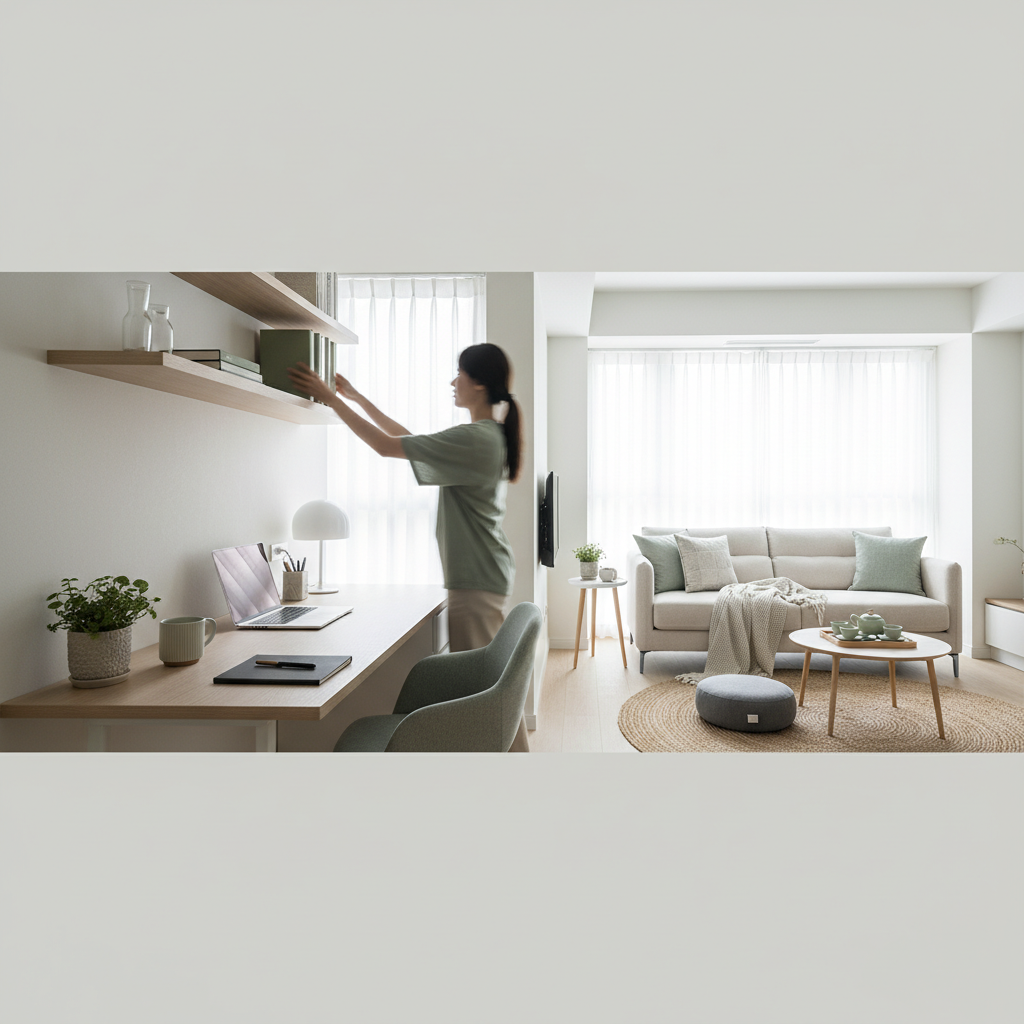
How the 5-Minute Room Reset Method Creates Instant Mental Clarity When Working From Multiple Home Spaces
Working from different rooms throughout the day creates a hidden mental burden. Your brain constantly processes visual chaos, digital clutter, and physical disorganization across multiple spaces. This scattered environment fragments your attention and drains cognitive energy before you even begin meaningful work.
The solution lies in rapid space transitions that signal clear mental shifts. A systematic five-minute reset between room changes helps your mind release the previous space's energy while preparing for the next activity's focus requirements.
Clear Visible Surfaces in Under Two Minutes
Start by removing everything from your primary work surface that doesn't belong to your next task. Stack papers into one corner, put coffee mugs in the kitchen, and return personal items to their designated spots. Your brain processes visual information continuously, so a clean surface immediately reduces mental load. Focus on the area directly in your line of sight rather than organizing entire rooms. This quick surface sweep creates an instant sense of order that translates into clearer thinking.
Reset Digital Distractions During Physical Transitions
Close all unnecessary browser tabs and applications before moving to your new workspace. Shut down video calls completely rather than leaving them running in another room. Put your phone in airplane mode for the first few minutes in the new space to prevent notification interruptions during your mental transition. Digital noise follows you between rooms through devices, so creating clean digital slates prevents mental carry-over from previous activities. Apps like Freedom or Cold Turkey can automatically block distracting websites during these transition periods.
Use the 5-4-3-2-1 Sensory Grounding Reset
Take one minute to identify five things you can see, four things you can touch, three things you can hear, two things you can smell, and one thing you can taste in your new workspace. This grounding exercise forces your brain to fully arrive in the present space rather than mentally lingering in the previous room. The sensory focus interrupts racing thoughts and creates a clean mental slate. This technique works particularly well when transitioning from high-energy spaces like the kitchen to calm focus areas like a bedroom office setup.
Adjust Lighting and Temperature for Mental Shifts
Change the lighting and air circulation in your new workspace to signal a fresh start. Open blinds for morning focus sessions, use warm desk lamps for creative afternoon work, or switch on overhead lights for administrative tasks. Adjust the thermostat by a few degrees or open windows to create physical difference between spaces. These environmental shifts trigger psychological transitions that help your brain adapt to different work modes. Philips Hue or similar smart lighting systems make these adjustments automatic based on time and activity type.
Set Physical Boundaries With Simple Rituals
Create a brief physical ritual that marks the end of one work session and the beginning of another. This might involve washing your hands, stretching your arms overhead, or taking five deep breaths while standing in the doorway. Physical movement helps release tension from the previous activity while preparing your body for the next focus period. These mini-rituals become powerful psychological triggers that train your brain to shift gears quickly. The key is consistency rather than complexity—the same simple action repeated daily builds automatic mental transitions.
Organize Essential Tools for Each Space
Keep basic supplies in each workspace to prevent constant movement between rooms for simple needs. Stock each area with pens, notebooks, charging cables, and water bottles. Use small containers or desk organizers to maintain order without major furniture investments. Having dedicated tools in each space prevents the mental fragmentation that comes from constantly searching for missing items. This preparation also reduces the friction of switching between work modes, making space transitions feel effortless rather than disruptive.
Practice the Two-Minute Breathing Reset
Spend two minutes focusing solely on your breathing pattern after settling into a new workspace. Count four beats for inhaling, hold for four beats, then exhale for six beats. This controlled breathing pattern activates your parasympathetic nervous system and creates mental calm. The practice helps your brain fully transition from the energy of one space to the requirements of another. Regular breathing resets also build your ability to self-regulate throughout the day, improving overall focus and reducing stress accumulation.
Create Invisible Transitions With Audio Cues
Use different background sounds or music playlists for different rooms and activities. Play nature sounds during creative work in the living room, classical music for focused tasks in the bedroom office, or complete silence for phone calls in the kitchen. These audio environments help your brain automatically shift into the appropriate work mode. Spotify, Apple Music, and Brain.fm offer specialized focus playlists designed for different types of cognitive work. The audio becomes an invisible signal that reinforces the mental boundaries between different work spaces.
The five-minute room reset method transforms chaotic multi-space work days into intentional, focused experiences. Small environmental changes create powerful psychological shifts that improve both productivity and mental well-being. As remote work continues evolving, these rapid transition techniques will become essential skills for maintaining mental clarity across multiple home environments.