How the 45-15 Deep Work Method Maximizes Creative Output While Preventing Mental Burnout
Creative professionals constantly wrestle with an impossible balance: producing meaningful work while protecting their mental energy. Traditional time management techniques often push for longer work sessions, but sustained creative output requires a different approach—one that honors both peak performance windows and natural recovery cycles.
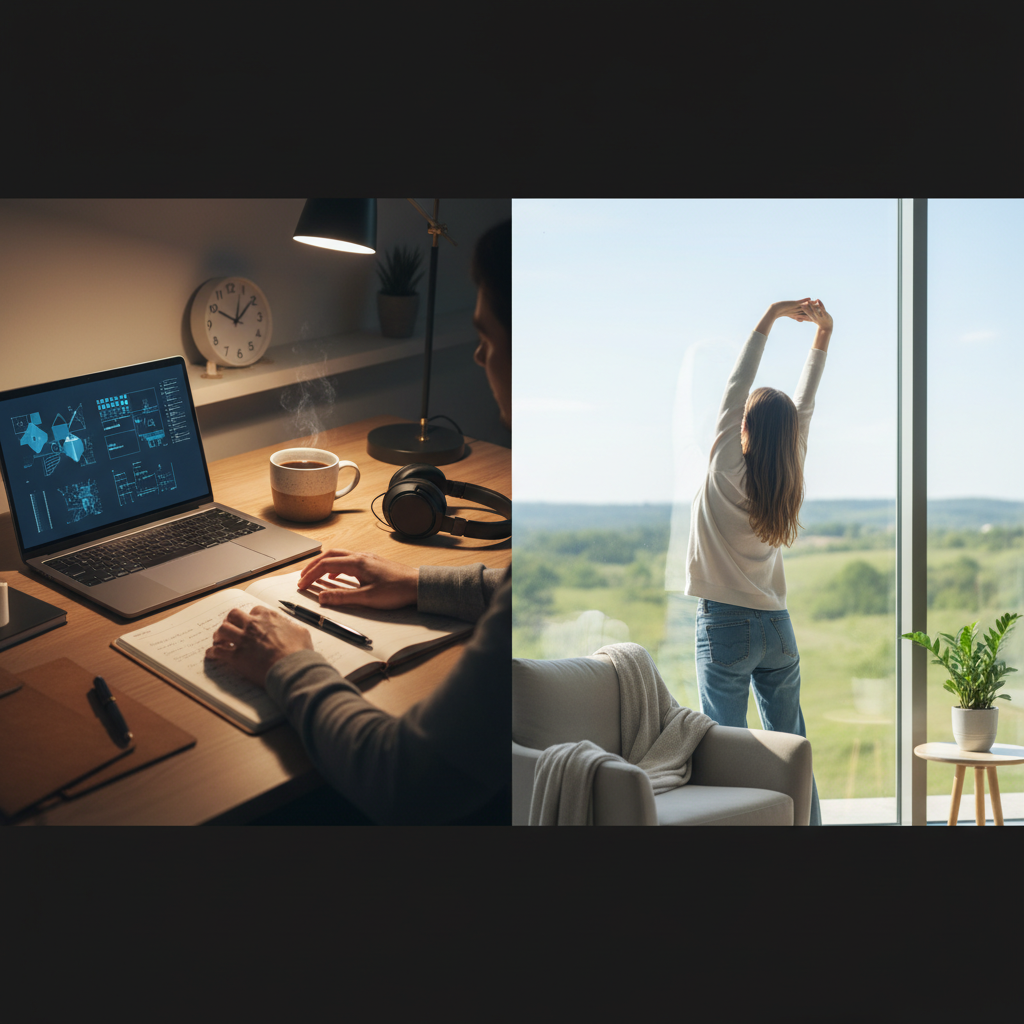
The 45-15 method offers a practical solution by structuring work into focused 45-minute creative sessions followed by intentional 15-minute restoration breaks. This rhythm aligns with cognitive research showing that most people can maintain deep focus for approximately 45-50 minutes before experiencing mental fatigue. Unlike more aggressive productivity systems, this approach prioritizes sustainable output over short-term intensity.
Start Each Session With Clear Creative Intention
Begin every 45-minute block by defining one specific creative objective. Whether you're writing, designing, coding, or strategizing, articulate exactly what you want to accomplish during this focused period. Write it down in one sentence at the top of your workspace—digital or physical. This clarity prevents the scattered thinking that often derails creative sessions. When your mind inevitably wanders during the session, this written intention serves as a gentle redirect back to your primary focus.
Design Your Environment for Sustained Focus
Your physical and digital environment dramatically impacts creative endurance. Close unnecessary browser tabs, silence notifications, and clear visual distractions from your workspace before starting each session. Companies like Spotify and Adobe have invested heavily in designing workspaces that support sustained creative focus—neutral colors, natural lighting, and minimal visual noise. Create similar conditions in your own space. Even small changes like adjusting your screen's blue light settings or positioning a plant within your peripheral vision can reduce mental fatigue during extended creative work.
Use the 15-Minute Break for Active Recovery
Treat recovery periods as intentionally as work periods. Step away from your creative workspace entirely during these breaks. Walk outside, do light stretching, or practice brief mindfulness exercises. Avoid scrolling social media or checking emails, as these activities require similar cognitive resources to creative work. The goal is neural restoration, not task switching. Research from companies like Google and Microsoft shows that employees who take active recovery breaks maintain higher creative output throughout the day compared to those who work continuously.
Track Energy Patterns Across Multiple Sessions
Monitor which 45-minute blocks produce your highest quality creative work. Most people experience peak creative energy during specific times of day—often morning hours for analytical work and afternoon periods for more intuitive creative tasks. Apps like RescueTime or simple paper tracking can help identify these patterns. After two weeks of consistent tracking, you'll notice clear trends in when your creative mind feels most alive. Schedule your most important creative projects during these high-energy windows.
Protect Deep Work Time From Shallow Tasks
Reserve 45-minute creative blocks exclusively for meaningful work that requires sustained mental effort. Email responses, scheduling, and administrative tasks belong in separate time slots, not during prime creative periods. This boundary prevents cognitive task switching, which research shows can reduce creative output by up to 25 percent. If urgent interruptions arise during a creative session, jot them down quickly and return to them during your next 15-minute break or designated administrative time.
Build Weekly Rhythms That Honor Creative Cycles
Structure your week to include multiple 45-15 sessions while respecting natural energy fluctuations. Most creative professionals find they can sustain three to four high-quality creative sessions per day without experiencing burnout. Plan less demanding activities for Friday afternoons and Monday mornings when creative energy often runs lower. Companies like Patagonia have experimented with four-day work weeks specifically to honor these natural creative rhythms and prevent the mental exhaustion that reduces long-term innovative thinking.
Create Transition Rituals Between Work and Rest
Develop consistent micro-rituals that signal the start and end of each creative session. This might involve lighting a candle at the beginning of work time and extinguishing it during breaks, or playing specific instrumental music during focus periods and switching to silence during recovery time. These small ceremonies help your brain transition more smoothly between states of concentration and relaxation. The clearer these boundaries become, the more effectively your mind can engage fully during work periods and restore completely during breaks.
Adjust Session Length Based on Creative Task Type
While 45 minutes works well for most creative activities, some projects benefit from slight modifications to this framework. Complex problem-solving might require 50-minute sessions with 10-minute breaks, while ideation and brainstorming often flow better in 35-minute bursts with longer 20-minute recovery periods. Pay attention to the natural rhythms of different creative tasks. Writing might feel sustainable for the full 45 minutes, while visual design work might require more frequent short breaks to rest your eyes and maintain perspective on aesthetic decisions.
The creative economy continues evolving toward valuing sustainable output over unsustainable intensity. As more organizations recognize the connection between employee wellbeing and innovative thinking, time management approaches that prevent burnout while maintaining high creative standards become increasingly valuable. The 45-15 method offers a practical framework for navigating this balance, honoring both the deep focus that creative work demands and the mental restoration that makes sustained creativity possible.