How the 20-5-20 Standing Desk Method Prevents Back Pain While Improving Focus During Long Work Sessions
Your lower back starts aching around hour three of your workday, and by afternoon, you're shifting constantly in your chair, struggling to maintain concentration. The prolonged sitting that defines modern office work creates a cascade of physical discomfort that directly impacts your mental performance and productivity.
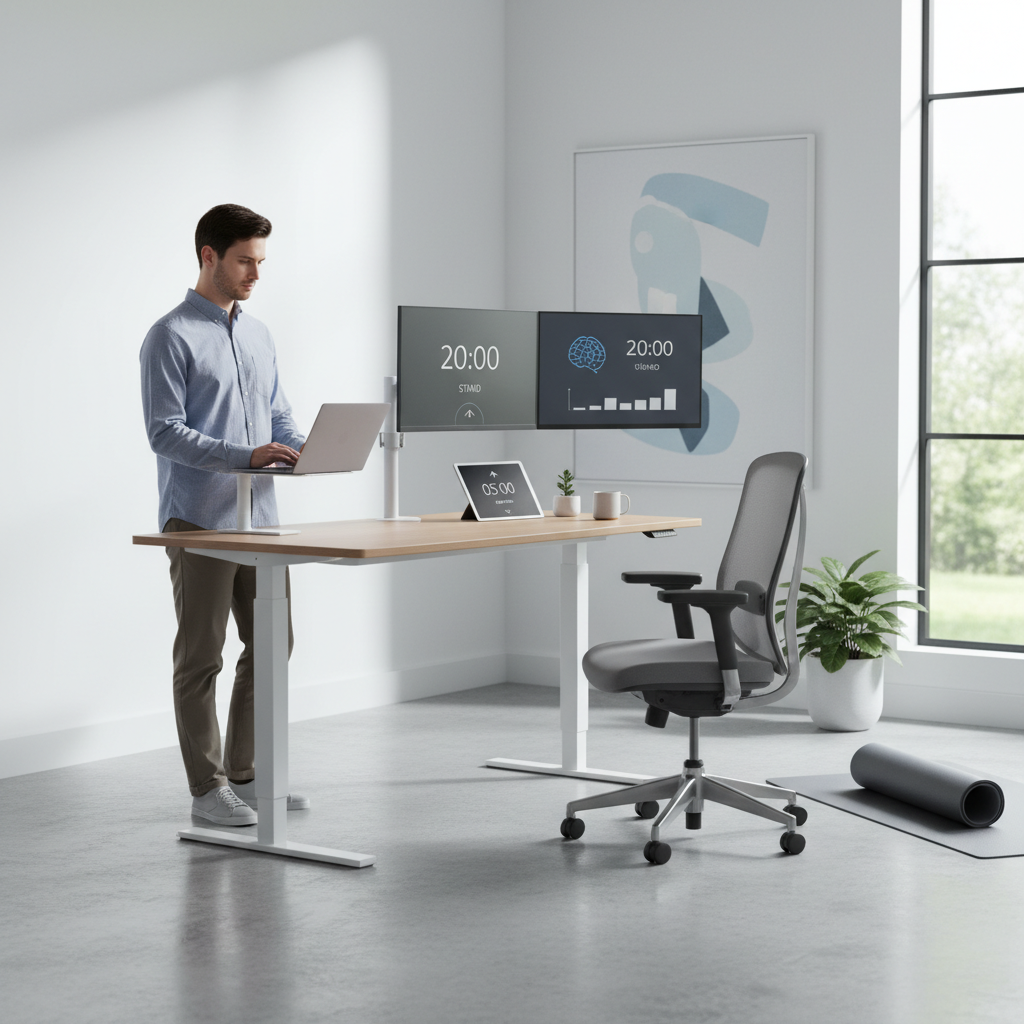
The 20-5-20 standing desk method offers a structured approach to breaking up extended sitting periods while maintaining workflow momentum. This system involves 20 minutes of focused work while seated, followed by 5 minutes of standing activity, then another 20 minutes of standing work before returning to your seated position.
Unlike random standing breaks or expensive ergonomic solutions, this method creates a predictable rhythm that your body and brain can adapt to. Companies like Steelcase and Herman Miller have noted increased employee satisfaction when workers follow structured sitting-standing protocols throughout their workday.
Start With Proper Standing Desk Setup
Position your monitor at eye level to prevent neck strain during standing intervals. Your elbows should rest at 90 degrees when typing, whether you're sitting or standing. Invest in an anti-fatigue mat from brands like Topo or UPLIFT Desk to reduce pressure on your feet and lower legs. The transition between sitting and standing heights should feel natural, not forced. Test your setup by spending five minutes in each position before committing to the full routine.
Use the First 20 Minutes for Deep Focus Tasks
Begin each cycle with your most concentration-intensive work while seated. Your energy levels are highest at the start of each cycle, making this ideal timing for tasks requiring sustained mental effort. Writing, data analysis, coding, or detailed planning work well during these initial seated periods. The knowledge that a movement break is coming helps maintain focus rather than creating restlessness. Avoid checking email or handling routine tasks during this prime concentration window.
Transform the 5-Minute Standing Break Into Active Recovery
Move beyond simply standing still during your transition period. Walk to the water cooler, do gentle stretches, or organize your workspace while remaining upright. These micro-movements help blood circulation return to normal after extended sitting. The key is keeping activity light enough that you don't break your mental focus on ongoing projects. Think of this time as active recovery rather than a traditional break from work entirely.
Maximize the Standing Work Period for Collaborative Tasks
Use your 20-minute standing intervals for phone calls, video meetings, or brainstorming sessions. Standing naturally improves voice projection and energy levels during conversations. Review documents, respond to emails, or handle administrative tasks that don't require intense concentration. Your brain often processes information differently while standing, making this time valuable for gaining new perspectives on challenging problems. Many remote workers using platforms like Zoom find their presence more engaging during standing meetings.
Track Your Energy Patterns Throughout the Day
Monitor how your focus and physical comfort change across multiple 45-minute cycles. Most people experience peak alertness during morning cycles and benefit from shorter standing periods later in the day. Apps like RescueTime or simple phone timers help maintain consistency without becoming disruptive. Notice whether certain types of work feel more natural during sitting versus standing phases. Adjust the ratio based on your personal energy patterns rather than rigidly following the formula.
Address Common Implementation Challenges
Start with three complete cycles per day rather than attempting to maintain the pattern for eight full hours. Your leg muscles and core need time to build endurance for extended standing periods. Wear supportive shoes and consider keeping a pair of comfortable flats at your desk. If you feel dizzy or fatigued during standing periods, reduce the duration rather than abandoning the method entirely. Gradual adaptation prevents the discouragement that causes people to revert to all-day sitting.
Customize the Method for Your Work Style
Adapt the timing based on your natural work rhythms and meeting schedule. Some people prefer 15-10-15 ratios, while others extend to 25-5-25 during high-focus periods. Project-based workers might align cycles with natural task boundaries rather than strict time intervals. The core principle remains consistent: regular alternation between sitting and standing with purposeful movement during transitions. Remote workers often find more flexibility to customize than traditional office environments allow.
Monitor Long-Term Physical and Mental Benefits
Consistent use of the 20-5-20 method typically reduces afternoon energy crashes and improves overall work stamina. Lower back pain often diminishes within two weeks of regular practice. Many users report better sleep quality and reduced end-of-day physical fatigue. Mental clarity and decision-making abilities often improve as blood flow and posture support brain function throughout the day. Keep a simple log of pain levels and focus quality to track your personal improvements over time.
Workplace wellness continues evolving toward personalized movement solutions rather than one-size-fits-all ergonomic approaches. The 20-5-20 method represents a practical middle ground between sedentary work demands and physical health needs. Your body will gradually adapt to this new rhythm, creating sustainable habits that support both immediate comfort and long-term wellbeing.